a few thoughts on safety:
- going solo makes every situation more dangerous–assuming a potential partner is not a major liability
- knowing how to use your gear is just as important as having it.
- experience in expected conditions is crucial before you go it alone.
so…first winter hike, solo, without having the all appropriate gear, and not having used it before…probably not a good idea, but depends on what you are doing for those 2-3 days. maybe scale down your plans, stick to known, easy trails that are close to help. if you want to push it a bit, or feel comfortable with the danger, here is some advice:
spring in Colorado, depending on where and conditions, likely means some avalanche danger. an avalanche course is highly recommended if you will be in around them. recognizing danger areas is important in the backcountry; avoiding them is a must if you are alone (all the gear in the world won’t help you if it is buried with you).
for this type of trip, you will need winter clothing, proper footwear, some accessories (sunglasses, etc…), a pack, and sleep system that you have used and trust for these conditions. you don’t want to find out that there are gaps in your clothing/equipment in the middle of a cold weather trip, by yourself, in unfamiliar territory, a good distance from help. best to have what you need before the trip and be able to test it out a bit before you go.
recommendations for specific gear:
- lots of different snowshoe options…try as much as possible before you bring some on a trip. whether you buy or rent, best to put some miles on them in similar conditions, loaded up. i use the MSR Lightning Ascents (25″ with float tails) for all conditions except super rocky trails. i travel a lot around the western US, so PNW to CO to MT to Sierras. also pay attention to the boots you will be using.
- i consider avalanche gear necessary if you will be in a danger area (as well knowing how to use everything)…then again if you are going solo, not sure how much good a shovel and probe will do you. check out outdoorgearlab.com or ask a local class what they recommend.
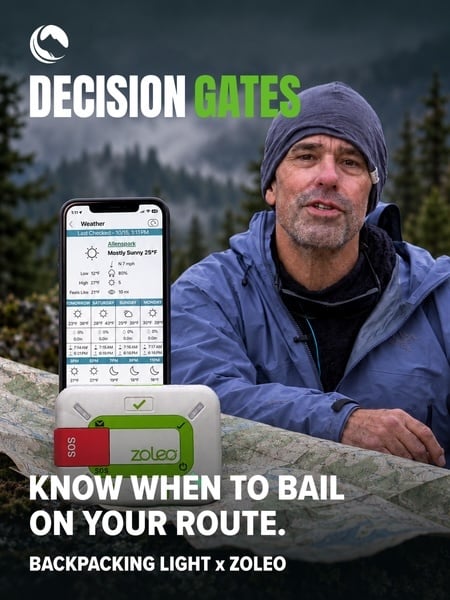
- SPOT and others are decent options, but their reliability is not perfect. i use a Garmin (formerly delorme) Inreach as a handheld GPS (always with a paper map and compass backup) and radio, and a burly cell phone (not smart phone, with backup battery and solar kit) to send messages through the Inreach. Also tell people your route, and where you will be and when.
- you said “maybe a small first aid kit.” there is no maybe when it comes to a first aid kit, and the size depends on what is appropriate for the trip (conditions, duration, number of people, your competency in using them). i put mine together, but there are some decent kits available.
- other gear depends on your route, conditions, and skill. winter/early spring in the mountains i might take trekking poles, ice axe, some type of crampon, rope, manual belay, harness, helmet, and headlamp. also have to know how to use it.
good luck, be safe.