Topic

First few days of a trip, what to eat when you cant

Viewing 10 posts - 1 through 10 (of 10 total)
Phong D BPL Member
PostedSep 25, 2021 at 10:32 am

Every time I start on a trip, for the first 2 or 3 days, my body just wont eat or digest.  I can readily eat little snacks and drinks, but I can’t handle big meals.  I’ve always takin this as a sign of stress my body is going through.  The miles, the constant exercise, etc.  But could it be also the switch to more dehydrated foods takes some time?

Does anyone else experience this?  I’m thinking of starting my hikes with something more liquid…like “Ensure” like my dad used to drink lol.

Matthew / BPL Moderator
PostedSep 25, 2021 at 4:09 pm

I like to rely on a steady stream of Perpeteum on shorter trips for this exact reason. I supplement with some peanut butter and salty/crunchy stuff.

DWR D BPL Member
PostedSep 25, 2021 at 4:50 pm

Things that may have something to do with the problem:

* adjusting to going to higher altitudes (harder to digest fats (and maybe other things) at altitude… try more carbohydrates and less meat and fat for the first couple of days…)

* dehydration

* pushing for too many miles and putting your body into a reaction

* the three above can be related…

Tipi Walter BPL Member
PostedSep 26, 2021 at 12:44 pm

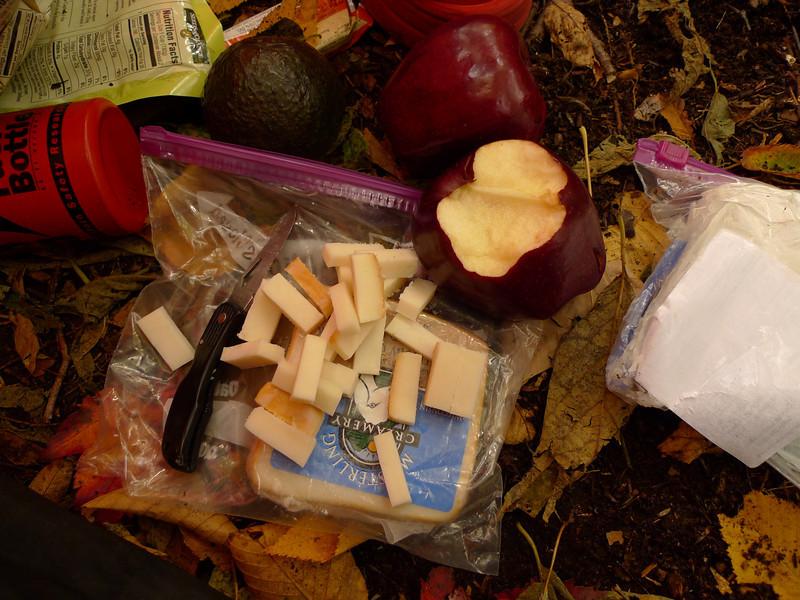
If we’re talking about long trips w/o resupply—like 20+ days—I like to carry early stuff like grapes and avocados and apples and homemade sandwiches—all which last a couple days before spoiling.  Fun to eat too.  Plus one tip—Never eat at home the foods you will eating on a trip—save your palate and tongue “for the good stuff”.

Apple with organic goat cheese.  Damn good.

Fresh mango.

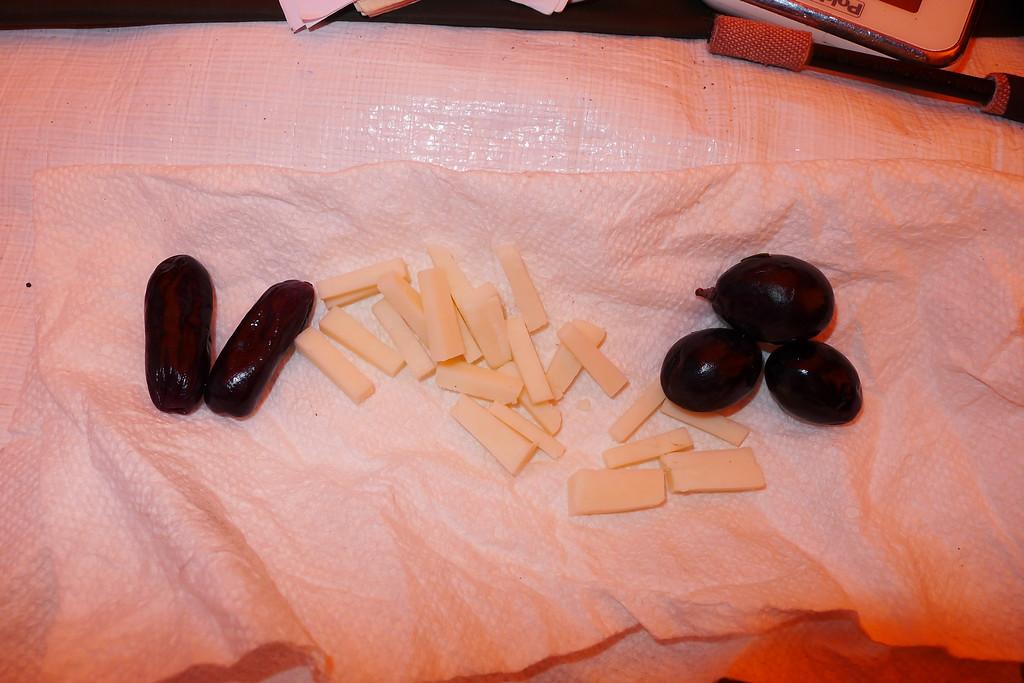
Grapes with goat cheese.

If I can’t tolerate these foods I am sick indeed.

HkNewman BPL Member
PostedSep 26, 2021 at 3:50 pm

Lots of people have issues especially if the day is hotter then typically back home.  The body may be trying to adjust to some perceived dehydration. The first day, regular food is possible for lunch is coming from the trailhead and then heat a soup for dinner (ramen).  Perhaps a cereal with a bit more water, energy bars while sipping water, etc.. Plan more soup for the second but start adding “backpacking” foods.

Helps to choose foods not easy to spoil but PCT hikers make it a game to see how many days their I-15 McDonalds orders will last.  Maybe a bad example…

Tom K BPL Member
PostedSep 26, 2021 at 4:32 pm

Matthew and DWR D pretty much nailed it.  Simple carbs, in liquid form during the day when you’re on the move.  Dehydrated soups like potato, corn chowder, etc at night for the first day or two at least, until your body adjusts.  As a general rule, the higher you go the more carbs should predominate.  For most trips folks on this site will be taking, i.e. 5-10 days, you can rely on body fat for energy and reduce the stress on your digestive system, not to mention the weight of your carried food.  You will still need protein, however, but it places the highest stress on your digestive system and is best taken in the evening when you are settled in for the day.  It also generates the most heat(thermal effect) during digestion, and can be put to good use at night warming your sleeping bag.  That same heat produced duing the day when you are on the move only contributes to overheating your body if you are hiking in warm weather.

AK Granola BPL Member
PostedSep 26, 2021 at 6:52 pm

I couldn’t eat on the JMT this summer due to altitude. I had brought along Tailwind protein shakes, and those were great! Not great tasting really, but not as nasty as most of those protein drinks, which to me all taste like chemicals. Tailwind is the best brand I’ve found. I lost 10 pounds in 11 days, which I don’t really recommend while climbing 12,000 foot passes.

David Thomas BPL Member
PostedSep 27, 2021 at 2:27 pm

I bring pretty normal food for the first 1-2 days.  Wraps.  Deli sandwiches.  Meat and hard cheeses last longer than you’d think (especially in Alaskan weather) and I find my gut does better with a slower transition to freeze-dried food and Ramen.   Those wraps and sandwiches aren’t the absolutely lightest option, but aren’t too far off and the first 1-2 days of food incur the fewest pound-miles.  Your last day’s meal and any emergency rations are the ones that should be as light as possible.

Maybe TMI, but I find that fiber in some form – Metamucil cookies or dried apricots – keeps things moving along, requires me to squat less each time and uses less TP.

Stumphges BPL Member
PostedSep 27, 2021 at 7:26 pm

I eat little the first few days. It doesn’t matter. Each of us carries about 100,000 colories (~700 baguettes) in fat stores. If you don’t eat through the mouth you’ll eat that.

John Vance BPL Member
PostedSep 28, 2021 at 11:50 am

With the exception of freeze dried meals, I eat the same things at home as on the trail, mostly bars, and lots of nuts and seeds – items my kids called “hippie” food.  I still have to force myself to eat it all the first couple days until my appetite picks up.  For most of my trips of 10 days or so, I eat  2,000 cals per day and run a 2,000-2,500 Cals  per day deficient and lose 6-10lbs, which stays off for quite some time.    It isn’t until day 6 or 7 that I want more food but it doesn’t seem to hurt my performance for such short trips.   Thru hikes were different but it took about a month for the “hiker hunger” to really kick in.

Viewing 10 posts - 1 through 10 (of 10 total)
Loading...