Topic

First Aid Kit: Too Far Down the UL Rabbit Hole?

Viewing 17 posts - 26 through 42 (of 42 total)
Roger Caffin BPL Member
PostedDec 5, 2019 at 9:00 pm

@Dean

re bleeding – one thing you did not mention is that some people can have extended bleeding because they are on blood thinners and platelet reducers, post heart attack. Not necessarily life threatening, but it can be very messy.
More pressure!

Cheers

Dean F. BPL Member
PostedDec 5, 2019 at 9:06 pm

@Roger-

Actually, yes, that is life threatening.  People have died from some damned trivial injuries while on blood thinners, though the most common culprit is hemorrhagic strokes after head injuries.  Happily, the truly dangerous stuff like Coumadin/Warfarin is becoming more and more rare as the selective factor-Xa inhibitors (like Xarelto or Eliquis) become more common.  They still worsen bleeding, but not quite so dramatically.  Plavix can still be an annoyance.

Here’s a terror scenario for you that most laymen wouldn’t think of- someone on coumadin with bad varicose veins.  How embarrassed would you be to bleed to death because you scratched a varicose vein on a rock?

But yes, the answer again- direct pressure.

David Thomas BPL Member
PostedDec 5, 2019 at 9:57 pm

Lots of great thoughts, Dean.  Thanks.  And, yeah, absolutely, do CPR on anyone without a pulse.  They’re certainly dead without it.  If you’re not breaking ribs, you’re not doing it hard enough (or they’re young).  I taught 2300 people CPR in an industrial setting and always asked who had used CPR, rescue breathing or choke saving.  Many of them, being middle aged, veterans, etc, had seen a lot.  A few had had some remarkable saves doing CPR for extended periods.  Very few, but some.

Yeah, direct pressure and elevation are really effective for even very serious bleeding.  Put your second-most qualified person on that so the most experienced can assess the situation and get on a pressure point if needed.  For how long?  I figure at least 20 minutes to allow time for clotting.  When I reattached my fingertip on a NZ tramp, I had my hand over my head, pressing hard on it for a LONG time. 30 minutes later – do I have anything more important to do?  Nope, so I kept doing it.  It worked.

Here’s a skill that everyone but an active clinician could improve on: finding distal pulses.  There are lot of points to assess them and you get better with (recent!) practice.

Statistically, your huge, well-equipped FAK should be in your vehicle.  You’re far more likely to encounter (or experience) really traumatic injuries on the highway than on the trail.  And every trip starts with the first few miles.  And the newbies rarely go farther.  A few miles out?  Send someone back for your well-equipped FAK if you need to stabilize a fracture to self-rescue.

Ian BPL Member
PostedDec 6, 2019 at 1:09 am

Thanks Dean and to all for the wealth of information.

Ian BPL Member
PostedDec 6, 2019 at 1:11 am

What’s the prevailing wisdom on Precordial thumps these days for witnessed arrests?  Let’s say a person where you heard the lightning strike and they are pulseless on the ground?

Ian BPL Member
PostedDec 6, 2019 at 2:37 am

Always so helpful Roger ;)

I worked for two separate ambulance companies that were in two separate EMS protocol regions in New York.   Back in 2001, one of the regions brought back Precordial thumps for witnessed arrests just before I moved to Washington.   My Paramedic instructor who was a nurse practitioner for a cardiologist for his day job had some success with them.   I’ve never had a reason to try but it stands to reason that following a lightning strike, a Precordial thump *might* convert VF or pulseless V tach, but I don’t know, hence the question.

Roger Caffin BPL Member
PostedDec 6, 2019 at 3:43 am

To quote from the canadiem web site:
It is how Chuck Norris would defibrillate. Clinicians who have managed to pull it off are spoken of with a level of awe appropriate for their awesomeness. Those that mess it up… just look like they’re hitting the poor patient that arrested.
I gather it is rarely useful.

Cheers

Rex Sanders BPL Member
PostedDec 6, 2019 at 6:40 am

NOLS/WMI hasn’t taught chest thumps for witnessed cardiac events in many, many years, and they try to follow the best available evidence.

OTOH if you are in the backcountry more than 5 minutes away from advanced cardiac care – what have you got to lose?

— Rex

Bob Kerner BPL Member
PostedDec 6, 2019 at 1:14 pm

They are not part of the current AHA guidelines for cardiac arrest.

Dean F. BPL Member
PostedDec 8, 2019 at 7:09 pm

Yeah, not on the algorithm.  Compressions will do the same thing, really, when you think about it.  A good , solid compression will get more sternal motion than any thump- I just can’t imagine getting a thump “just right”.  Not too little, not too much.  Well, except for Chuck of course.

Honestly, though, I have no idea if there is some exception in the lightning-strike literature.  :)

And, yes, a lot of things fall into the “what have you got to lose?” category.  I have, somewhat depressingly, often found myself caught between decisions with 99% fatality if I try it, but 100% if I don’t.  Like ER thoracotomies.  So I tend not to be too critical in such situations.  Your patients’ litigious heirs might think differently, though.

Ian BPL Member
PostedDec 8, 2019 at 7:26 pm

Thanks Dean.  I’ve never seen it used and it wasn’t uncommon for our protocols to have a couple major changes every year.   I’ve little doubt that opinions on precordial thumps for that region have changed back and forth a couple times since then.

In my very limited experience, EMS was less of a science and more of a collection is theories and assumptions.

Roger Caffin BPL Member
PostedDec 8, 2019 at 8:24 pm

EMS was less of a science and more of a collection is theories and assumptions.
Obviously then what we need is a large double-blind trial with a couple of hundred people. The details are left to the reader.

Cheers

Ian BPL Member
PostedDec 10, 2019 at 2:08 am

I have access to a few trauma kits and IFAKs and ordinarily carry an EDC one in my pocket at work that has gloves, chest seals, bandages, and a hemostatic agent.

Without a doubt the items I use the most are gloves and bandaids.   The weight is negligible, easier to deploy than tape and gauze, and beats having a little boo boo bleed all over your gear, especially if you’ve been eating ranger candy (vitamin I) like it’s Halloween candy.

To each their own, HYOH and all that.

Ian BPL Member
PostedDec 10, 2019 at 2:09 am

Dean, thanks for the feedback on precordial thumps.   What you wrote makes sense.

Ian BPL Member
PostedDec 10, 2019 at 3:59 am

I should inventory my EDC kit more often.   No chest seals but I have access to a handful

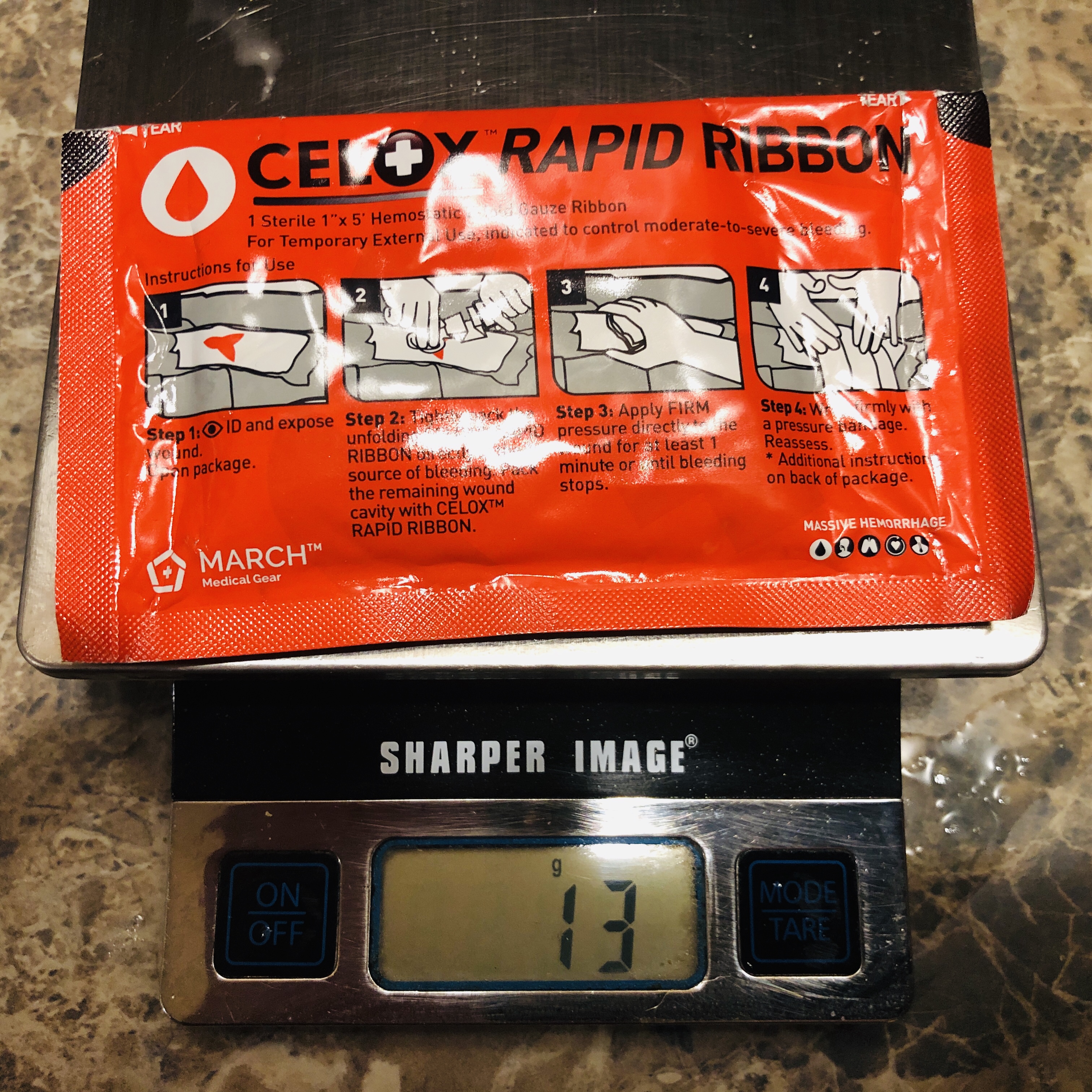
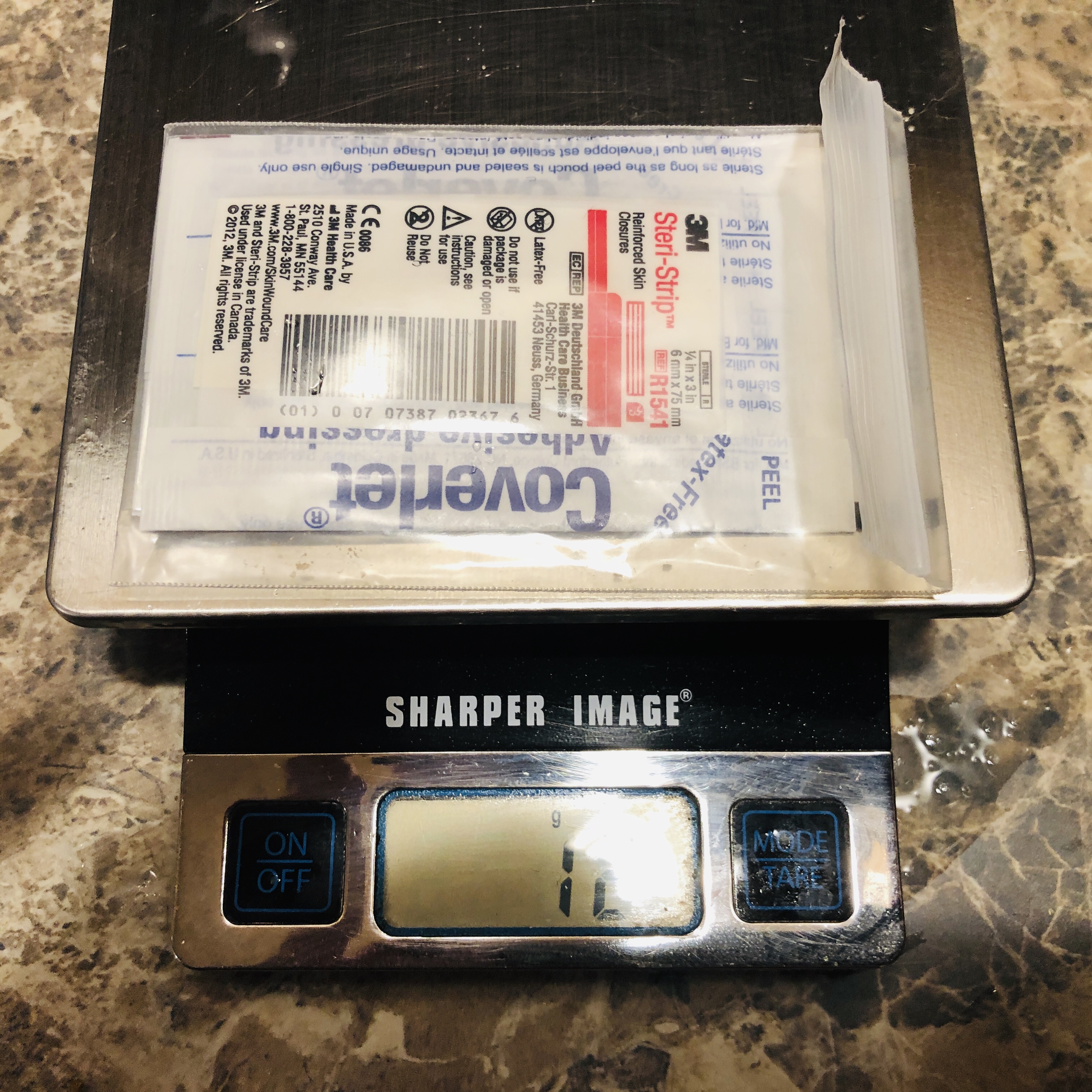
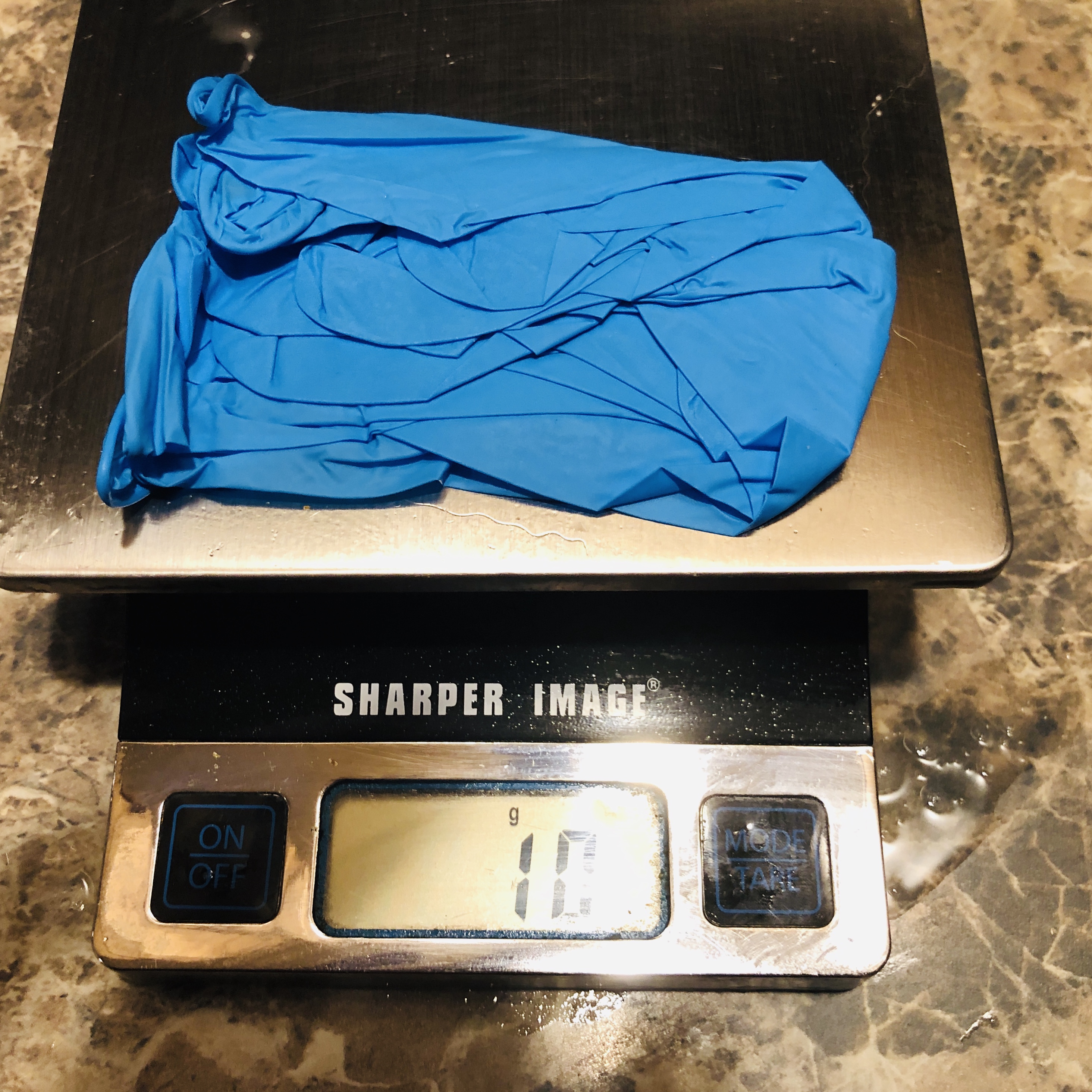
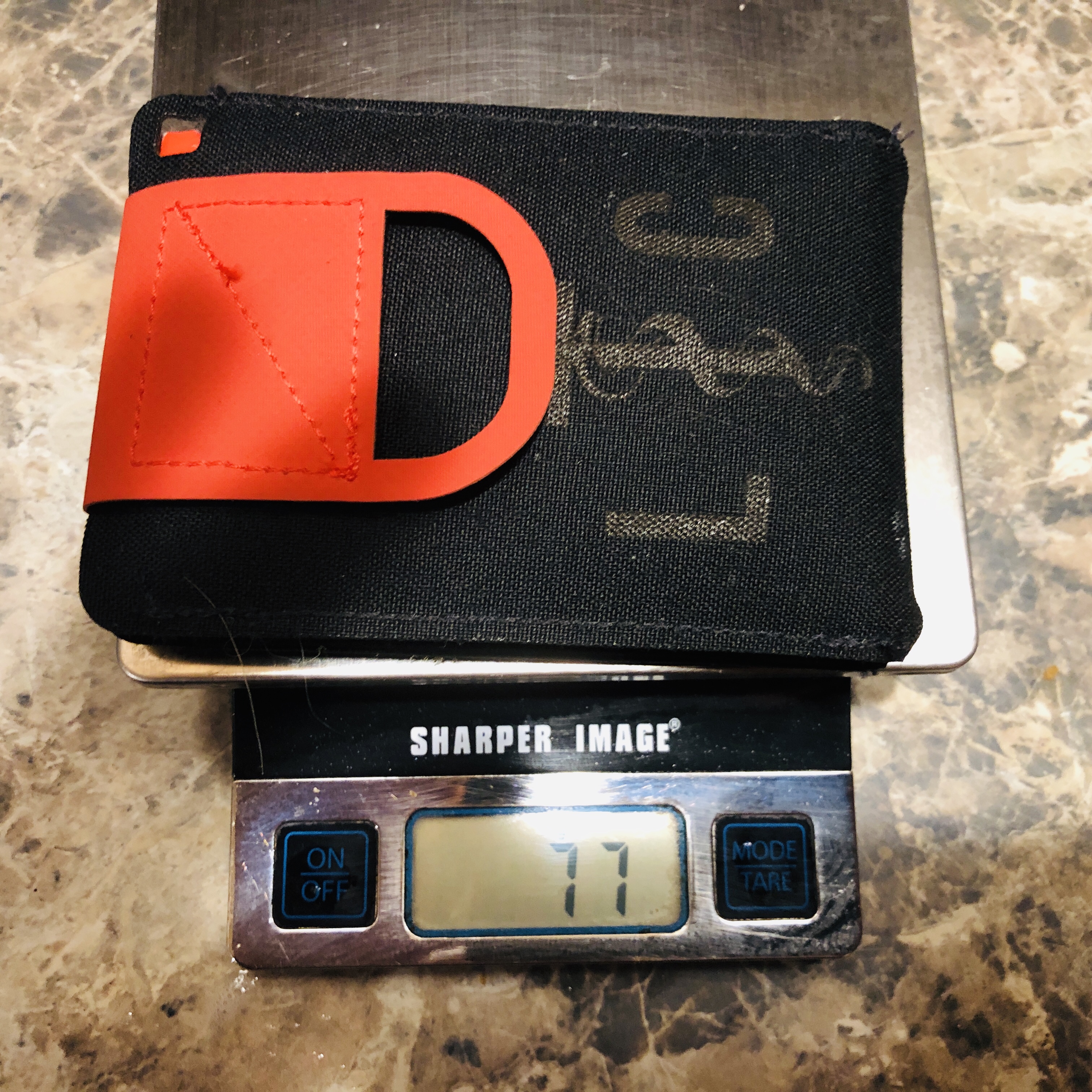
Picture of hemstatic agent and boo boo kit with weights including the loaded pouch.   I removed the SWAT T tourniquet since it added bulk and I prefer the gen 7 Cat tourniquet

Viewing 17 posts - 26 through 42 (of 42 total)
Loading...