I recently purchased an 8.5*10 DCF from Etowah Outfitters. I spoke with Paul (the owner) on the phone before purchasing the tarp; he was very friendly and accommodating with my special request (for D hangers on the inside of the ridgeline to attach a bivy). Placing the order was easy and the tarp arrived promptly. The tarp came in a nice Dyneema stuff sack but I find it virtually impossible to get the tarp back into the sack; it would take entirely too much effort to get it folded in order to use the sack. Attached is a picture of the tarp folded, it’s about 6″*8″*3″ and weighs approximately 6.5 oz.

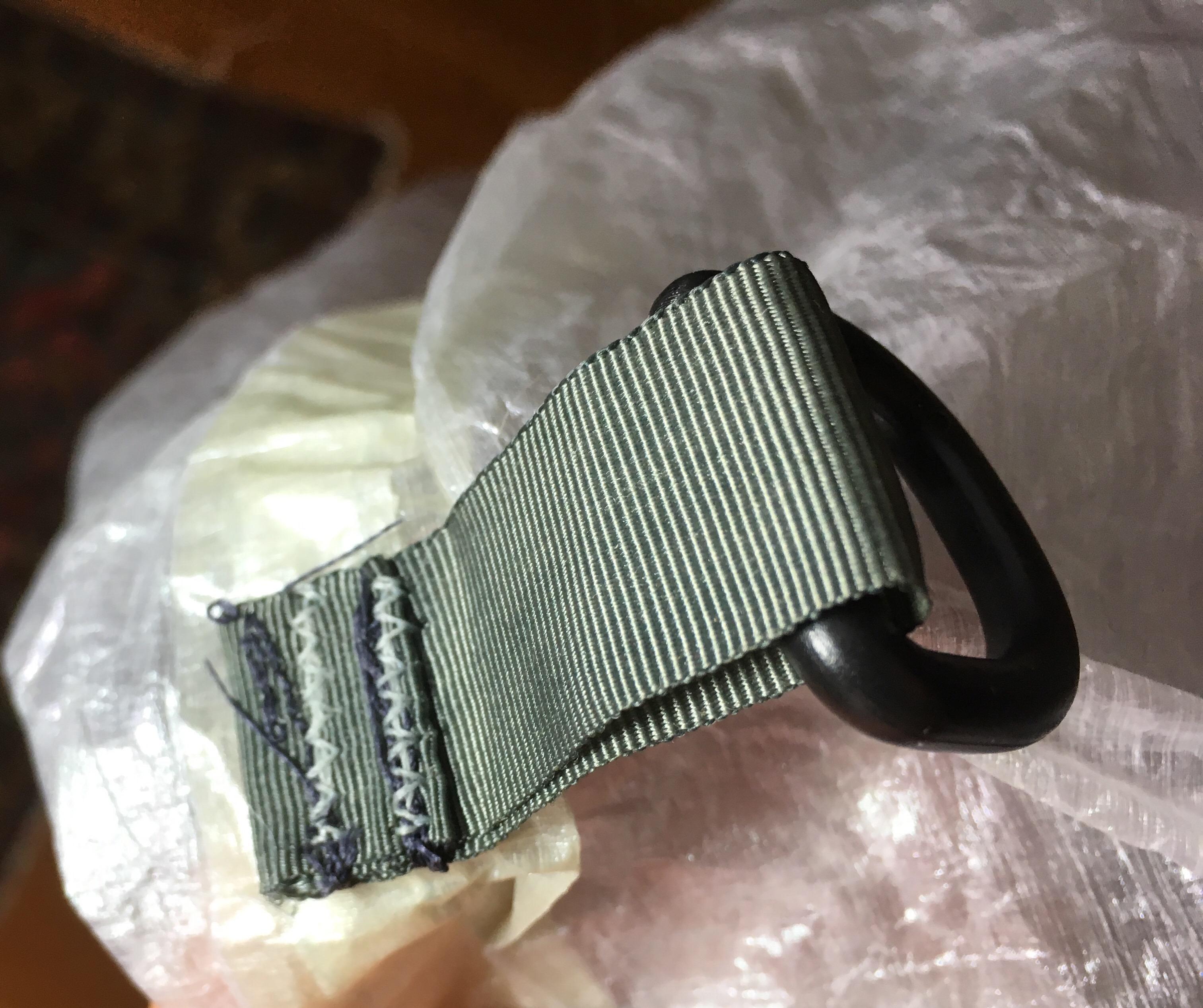
I discussed the possibility of putting D rings or LineLocs on the tie outs and Paul said he prefers knots and prefers to avoid the possible breaking issues with the D rings or LineLocs. I prefer LineLocs so I had to order LIneLocs on a loop from ZPacks and attach them to the Etowah tarp. Here are pictures on the tie out and the tie out with the LineLoc which I purchsed seperately.

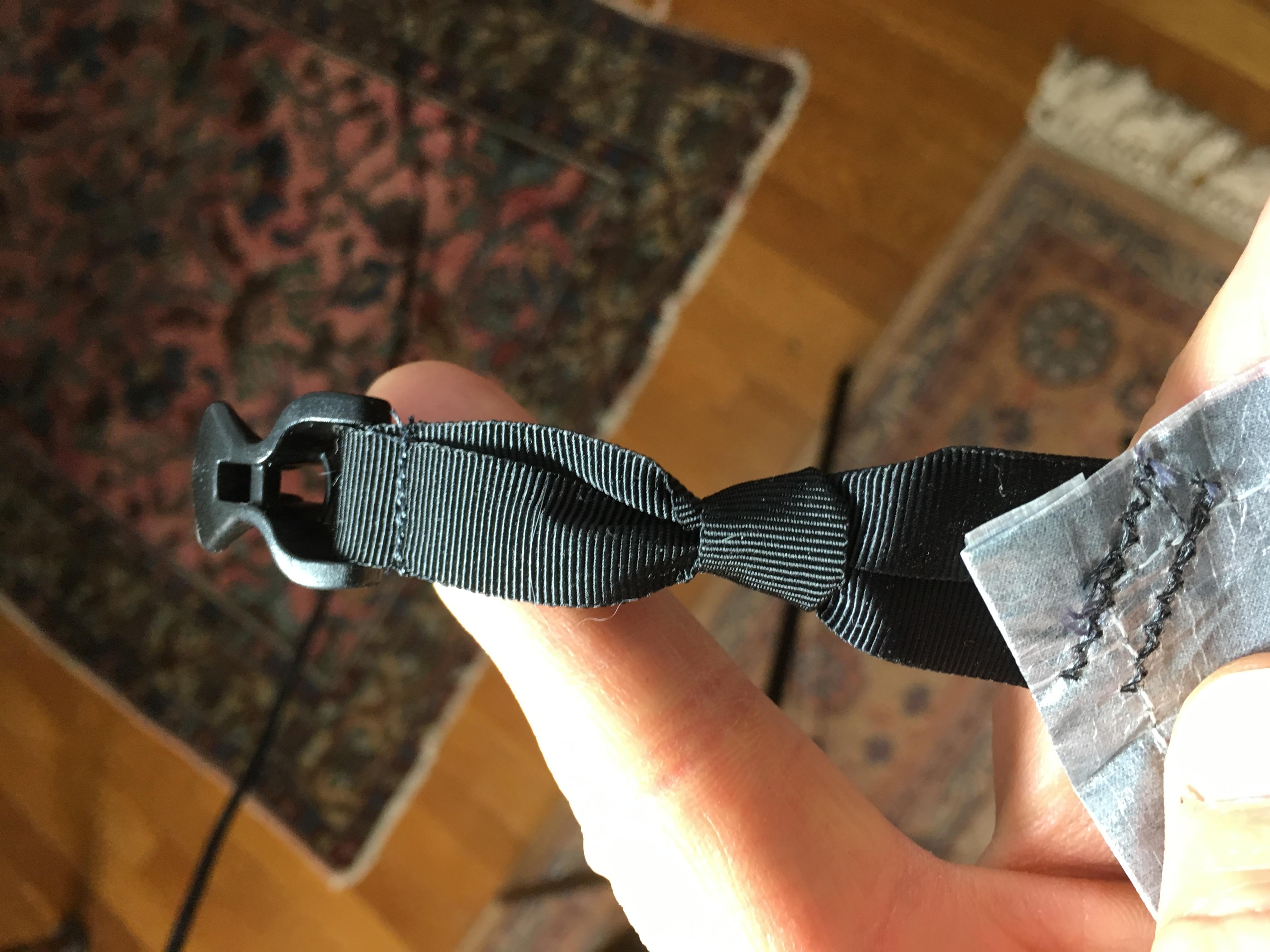
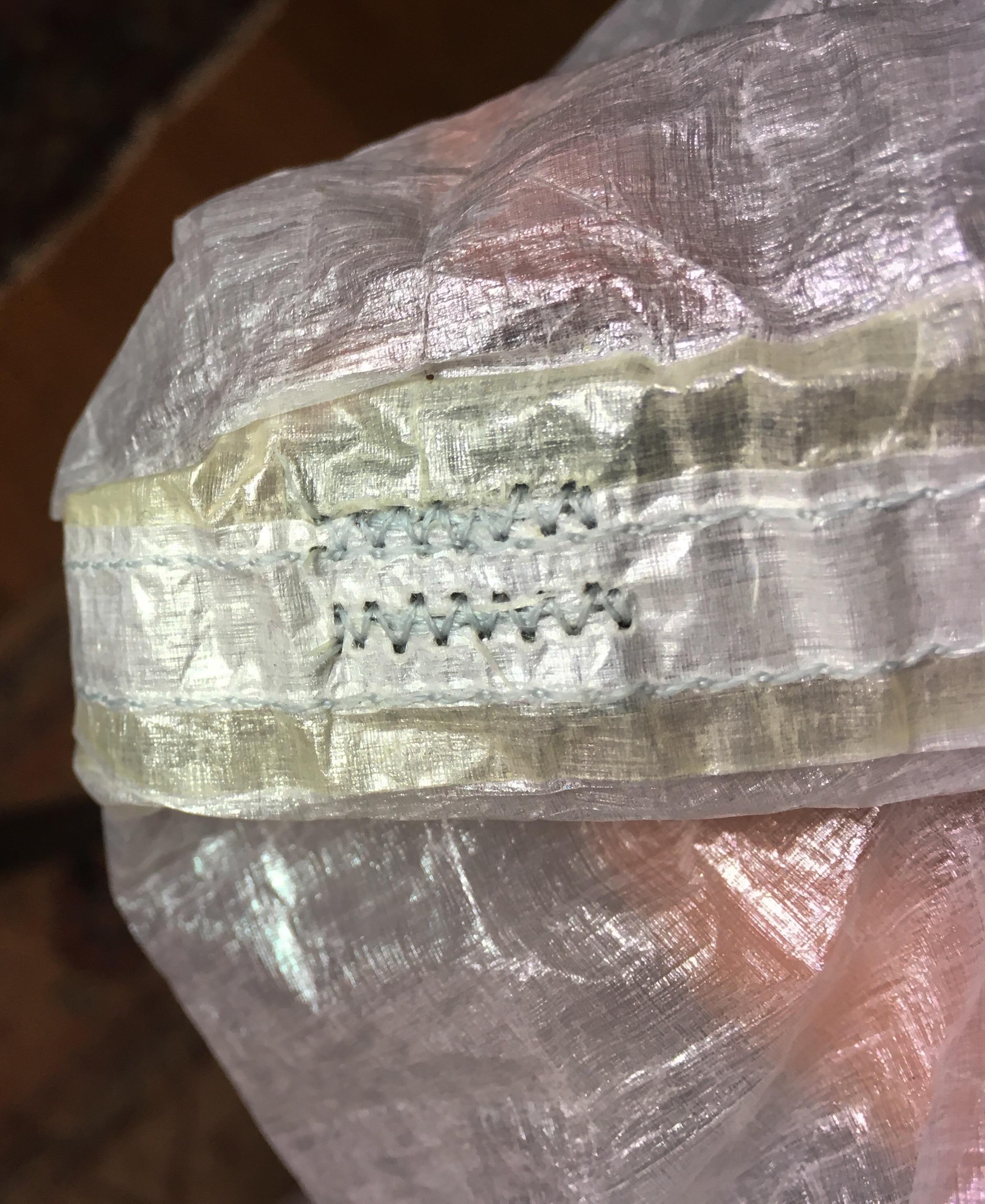
The stitching of the tie outs was inconsistent. Sometimes it was centered with some space on each end. Sometimes it started on the edge of the tie out and stopped short of the other edge. And sometimes there was barely any second row of stitching at all. The stitching was practically never edge to edge. Additionally there was about 1/4″ to 1/2″ of excess on the end of each tie out so I had to trim it off and melt the ends to avoid fraying (this is purely cosmetic yet I’ve never has to do this with other tarps I’ve purchased from other makers). I discussed the missing second row of stitching on one of the tie outs with Paul and he advised me one row is sufficient, the second row is to some degree overkill and if there was ever a failure to send the tarp back and he would repair it. Here are some pictures of the tie out stitching:
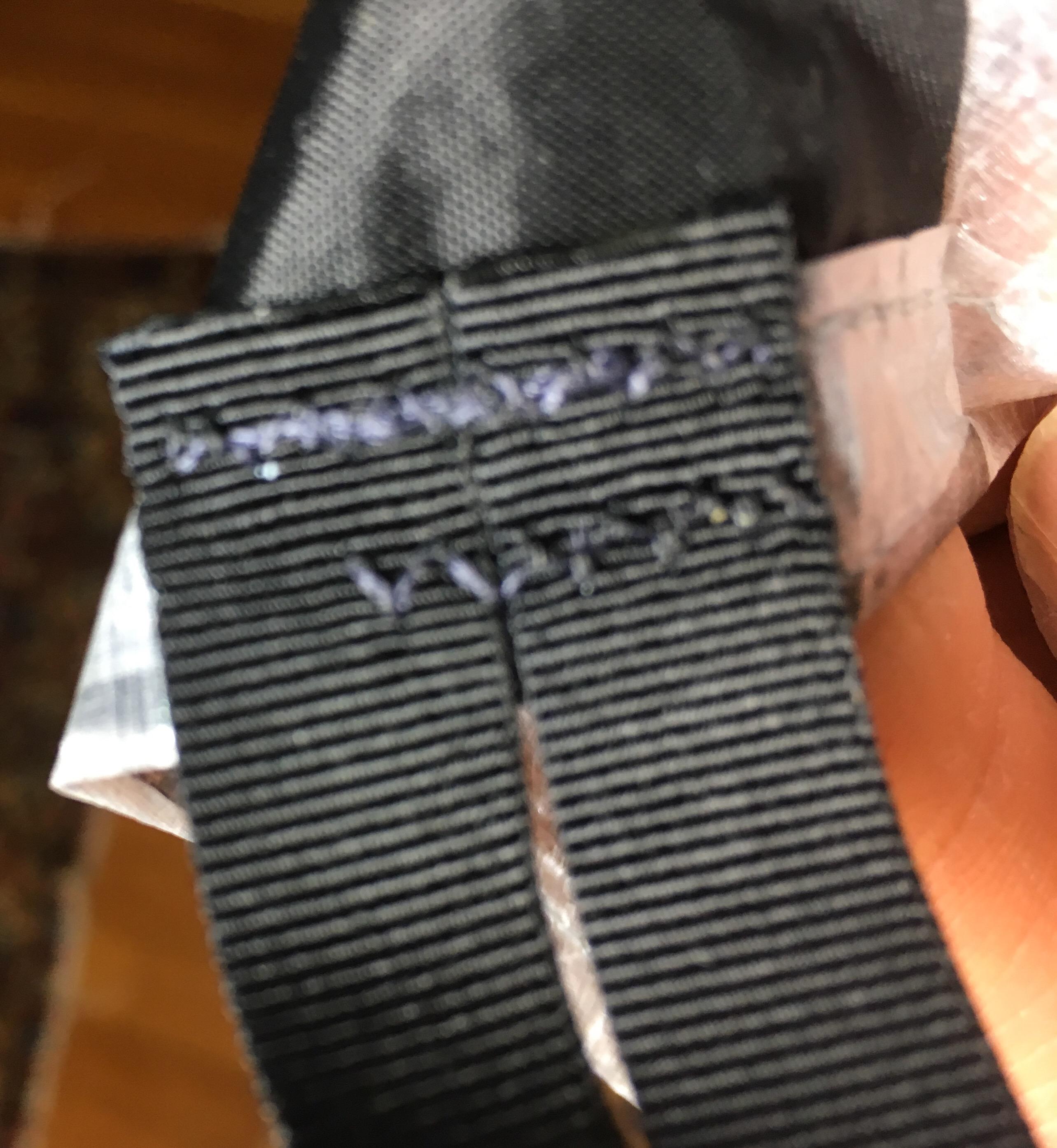
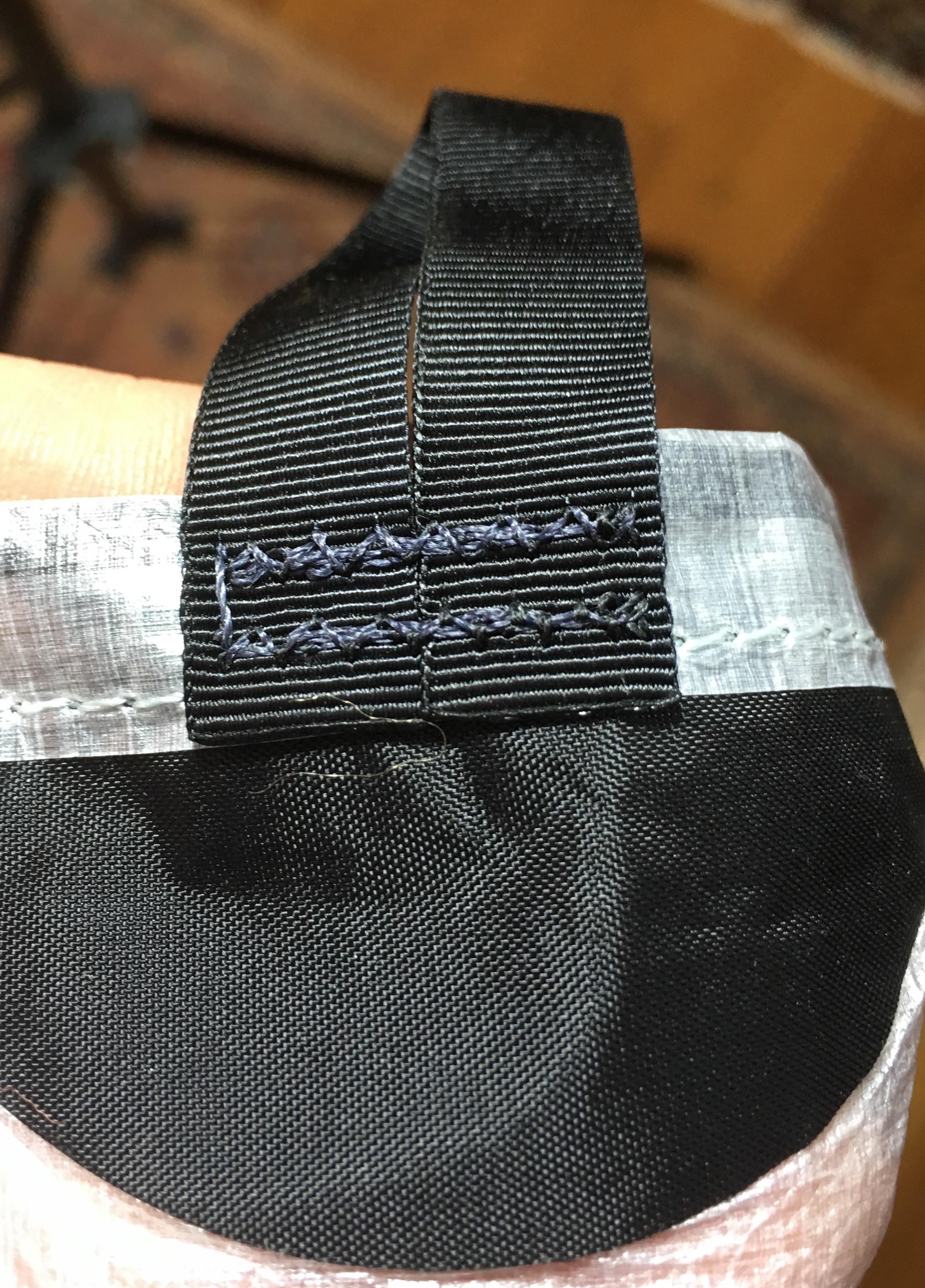

For reference, here is tie out stitching on my other tarps. Note how the stitching goes all the way to the edge of the tie out.


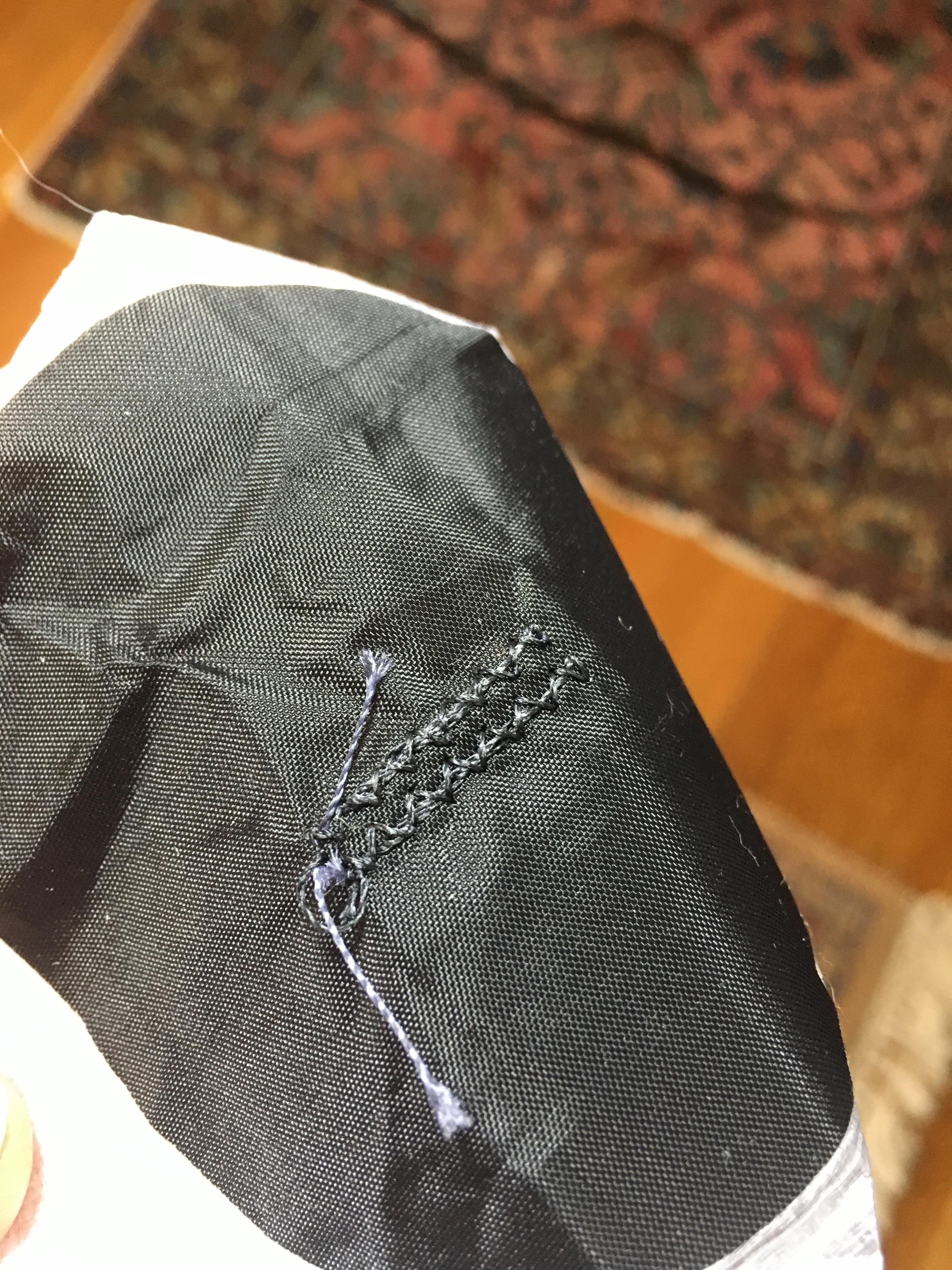
In addition to having to trim the excess from the ends of the tie out most of the stitching looked like this so I had to trim the loose ends of the stitching. Again, it’s cosmetic yet it is not something I generally have to do when I’ve purchased tarps from other makers. Here’s an example.
The additional requested inside ridgeline D hangers were well sewn. Although I requested three hangers (one on each end and one in the center) in the comments section of the order, the center hanger was not added. I mentioned this to Paul and he said something to the effect of “whoops, sorry”. While well sewn the inside hanger stitching did go all the way through the ridgeline and left noticable holes on the exterior of the tarp. When I tested it to see if water would penetrate the holes, it did in seconds, I feel it would have definitely been a significant leak in heavy rain. When I mentioned this to Paul he said it’s on the ridgeline, water runs down hill so it wouldn’t be a problem; I seam sealed the holes anyway. Here’s pictures of the inside D loop and the exterior ridge line stitching.
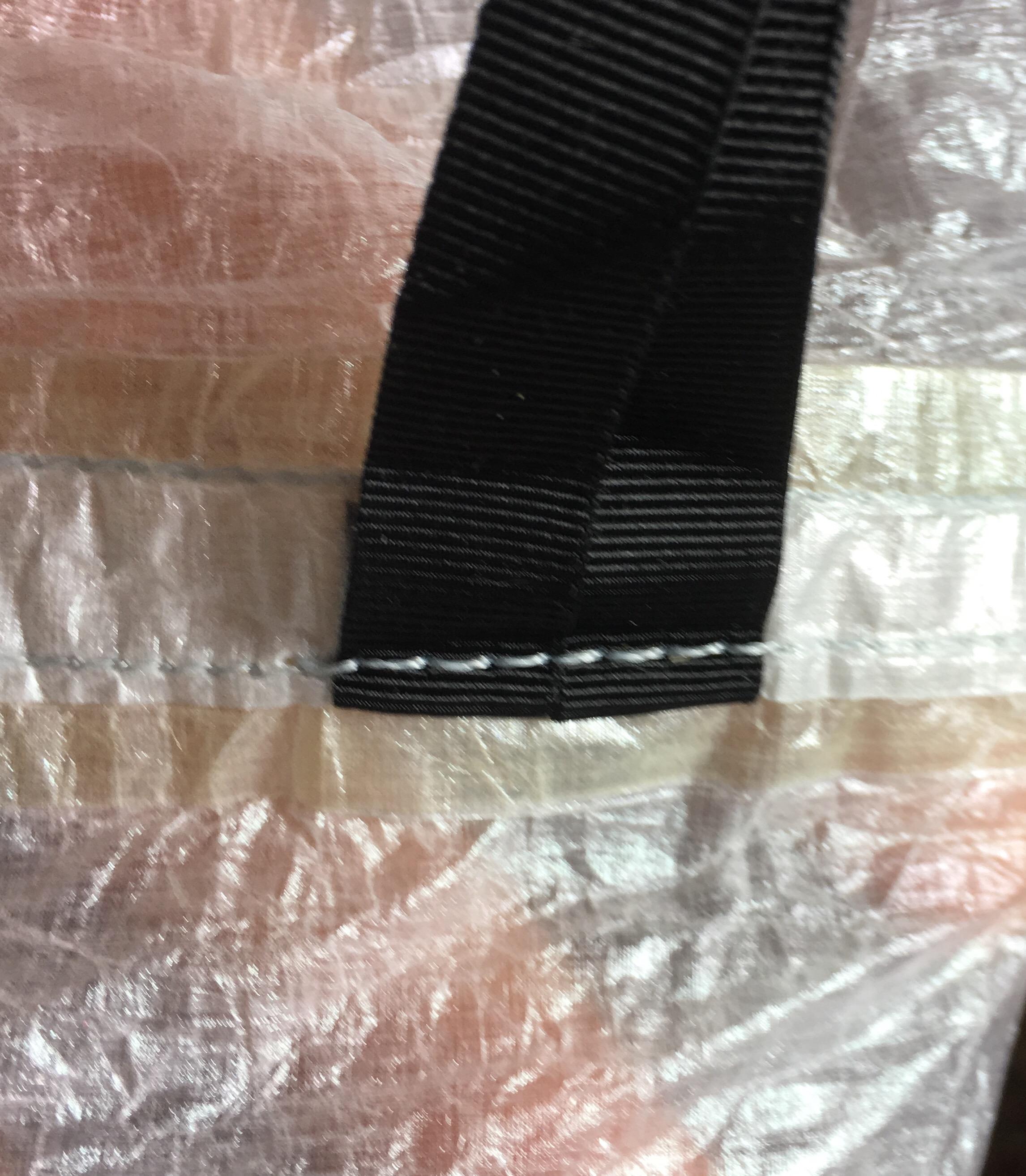
The exterior side tie outs appear securely stitched (although the stitching also is not edge to edge). The ridgeline tie outs on the other hand seem lightly stitched. The ridgeline tie outs are the primary reason I chose this tarp over others. I plan to use the ridgeline tie outs in certain pitch configurations instead of placing a trekking pole inside of my tarp to lift the tarp (there’s a picture on Etowah’s website using the ridgeline tie out to lift the back of the tarp). I’ll use the ridgeline tie outs although I have to say my confidence in their strength is less than solid. Here’s a picture of the side tie out and the ridgeline tieout.

Here is a link to Etowah Outfitters website where you can see the details regarding the weight of the Dyneema used and other specifications.
I hope you find this review useful. Happy Hiking!