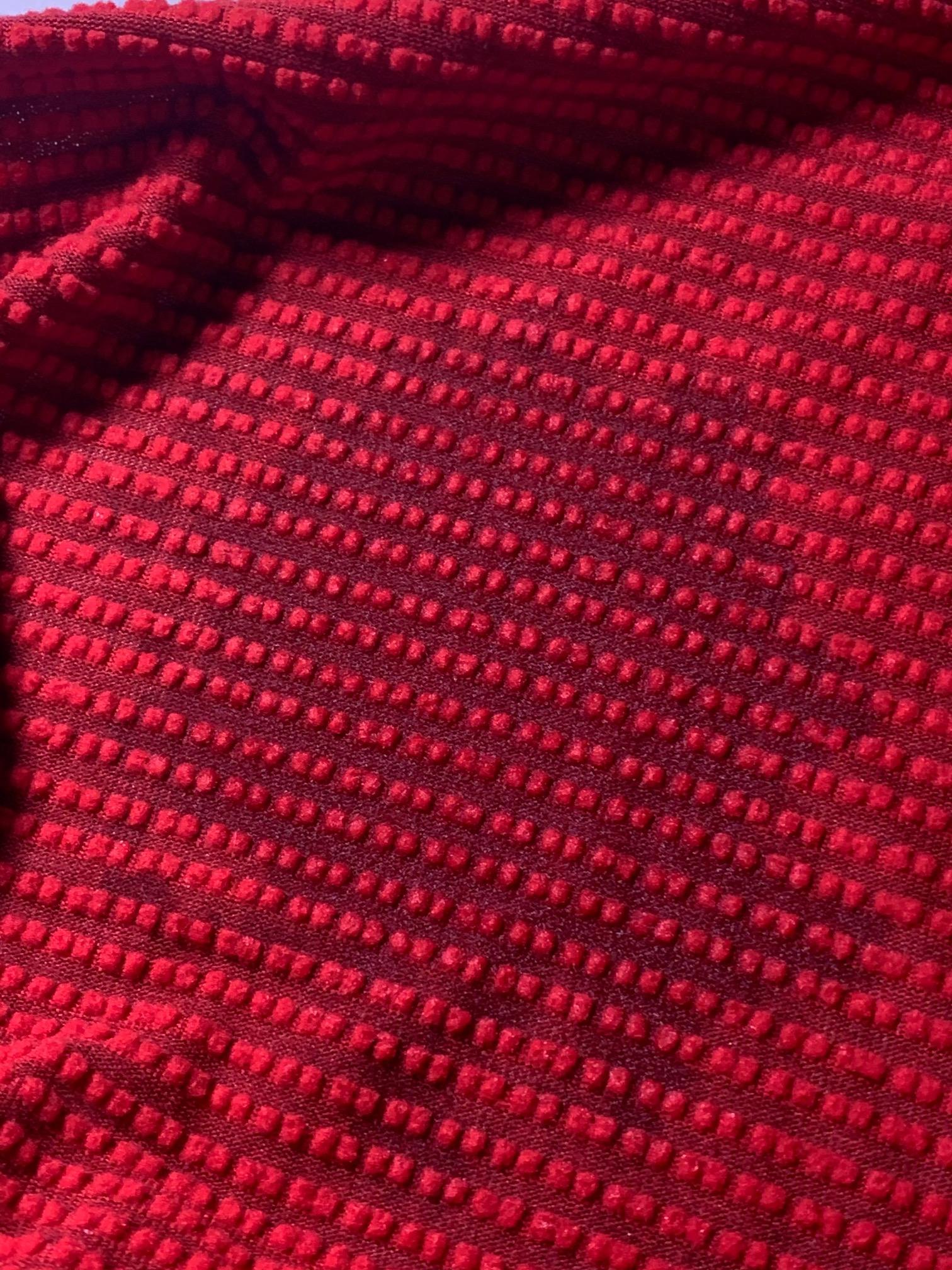
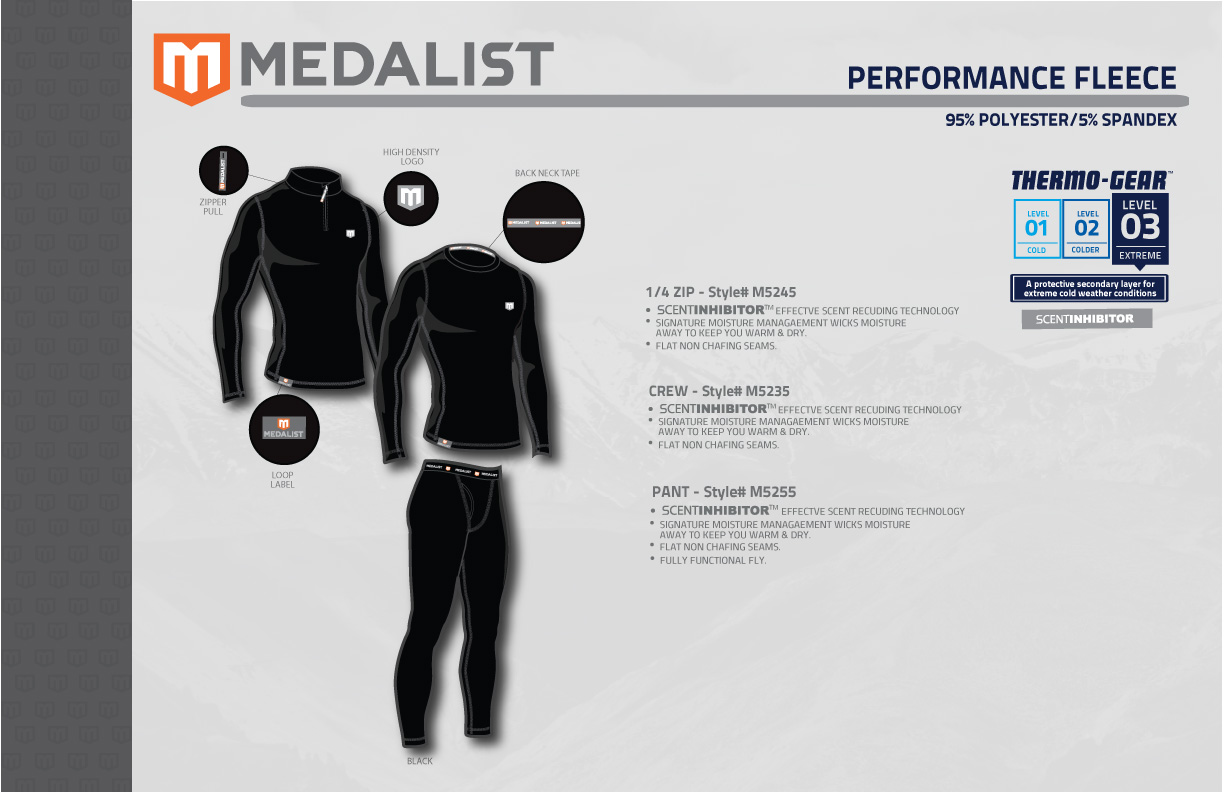
I’ve seen one of your post where you refered to Powerstretch (I suppose Powerstretch Pro is about the same) as a base layer and a wicking one:
Nick – Merino wool or two versions of fleece are designed for next-to-skin wear in cool to cold temperatures; those are the Power Dry (.080″ loft) and Power Stretch (.130″ loft) materials. Either, in a hoody design, will provide excellent variable temperature regulation while backpacking and not be damaged by the pack straps. …
The key thing to remember is that you generate, on average, about 7 times the heat when backpacking as when you are taking a rest break. For times when you are active, you need only a relatively thin base layer and a wind shirt to maintain body warmth. Fleece variants such as Power Dry and Power Stretch have a thickness optimized for this function. Also the bi-component structure efficiently wicks moisture. When you are inactive, you need about 7x more insulation for the same temp. This is the scenario in which the benefits of high loft synthetics generally win out over conventional fleece (Polartec 100, 200, and 300). This is because at this level of loft requirement and above, high loft synthetics weigh less and compress smaller.
As an example, let’s assume that you are climbing over a mountain pass in a storm. A .080’ Power Dry or Merino wool, in combination with a wind shirt is keeping you warm. Now let’s assume you sit down and rest for an hour. You will need about 7 times the loft to now maintain your warmth. Let’s assume you are carrying a Patagonia pullover (.600” loft). You put it on and again are comfortable. You would need to carry a Polartec 300 jacket and Polartec 300 vest to approach the same warmth as your Patagonia pullover. The weight and pack volume would be dramatically heavier using the fleece option when inactive.
and
For purpose 1) It needs to fit tight to effectively wick moisture away from the skin. This is the reason Power Dry and Power Stretch are engineered to be very stretchy. Merino wool garments use a knit pattern to also be stretchy. Non stretch and non bi-component fabrics, such as Polartec 100, will wick moisture away from your skin 30% less effectively than Power Stretch or Power Dry. Capilene will wick well only if worn skin tight.
For purpose 2) they need to effectively evaporate water off the outside of the insulation. The bi-component nature of Power Dry and Power Stretch are designed to accomplish this. The internal buffering moisture storage of Merino wool also accomplishes this in a different fashion.
Has your opinion about Powerstretch changed? Is it wicking or only works with vapor moisture? Thank you