


May the Garner Strap live on in BPL history alongside the Moulder Strip, the Caffin Stove and many other innovations.
Topic
Become a member to post in the forums.
 .
.
May the Garner Strap live on in BPL history alongside the Moulder Strip, the Caffin Stove and many other innovations.
The original version was fussy to sew and required hand stitching for the last part of the circle.
I finally came up with a better way to sew the part that captures the chair foot.
Start with a 6″ strap and another that is long enough for the ladder lock.


Next, bring the two ends of the 6″ strap together to make a 90 degree.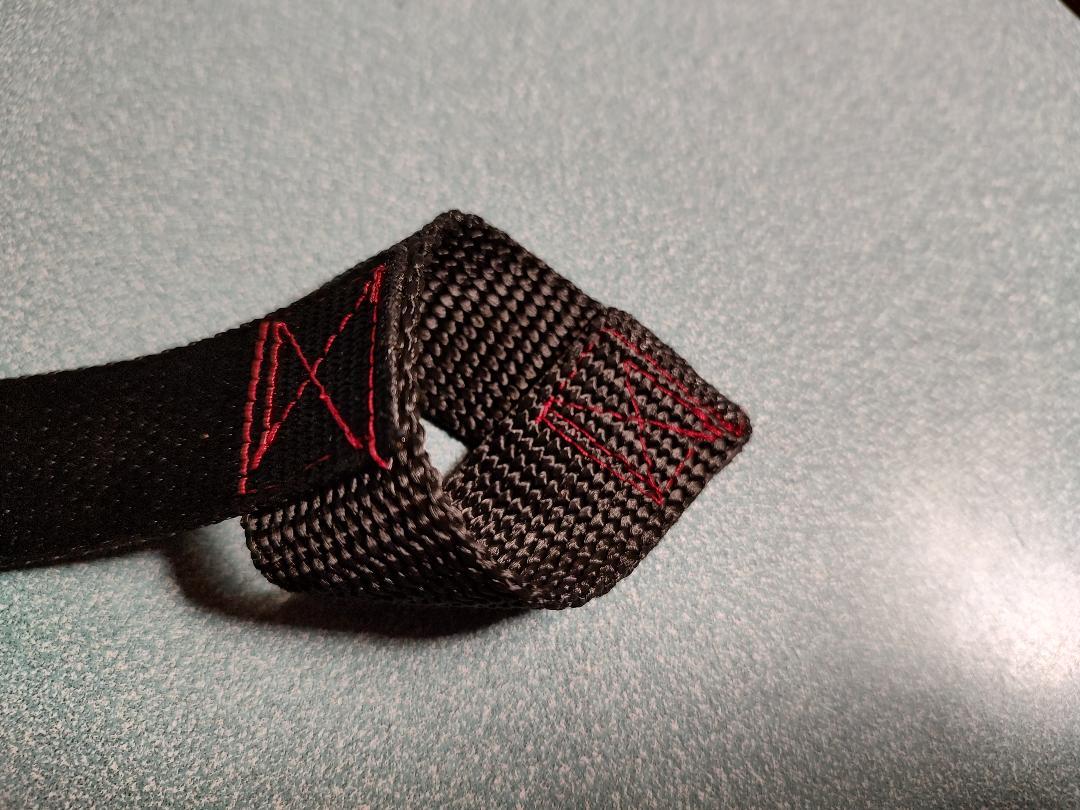
Next, bring the longer strap that will make connection to the strap coming from the other foot, underneath to form the foot basket.
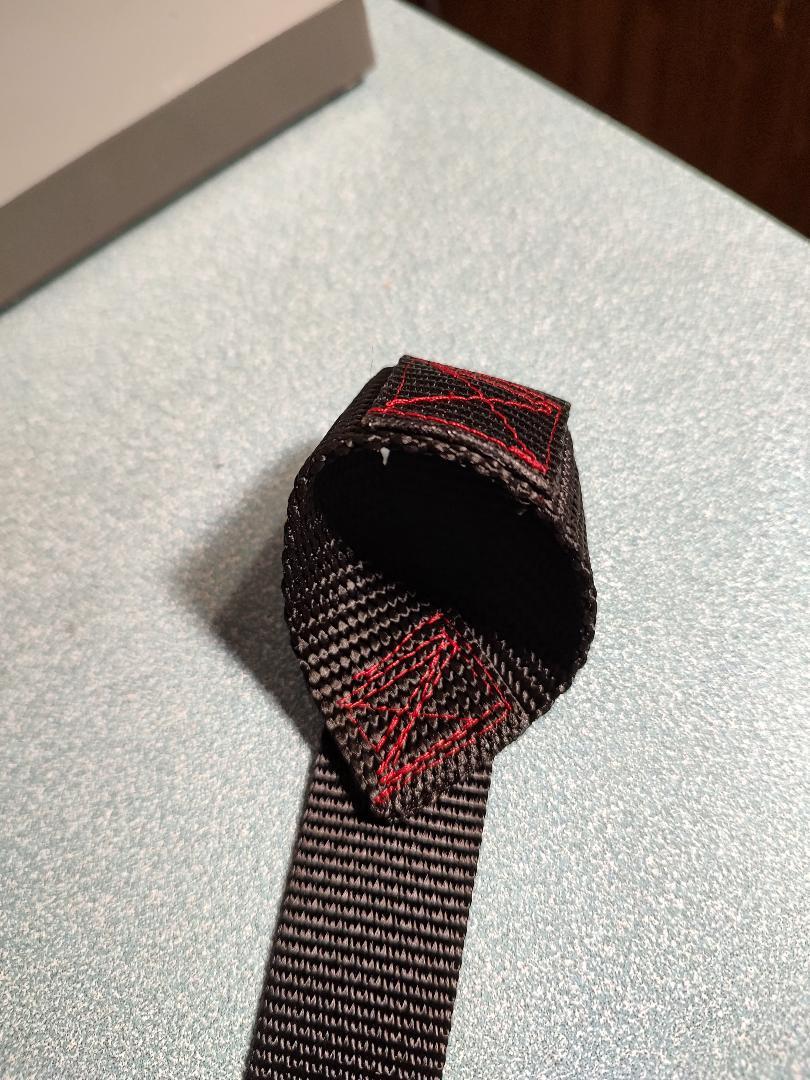
The sets can be made to go from front to back, side to side or from an X.
As of now, I am using the same ladder lock used in the first post here.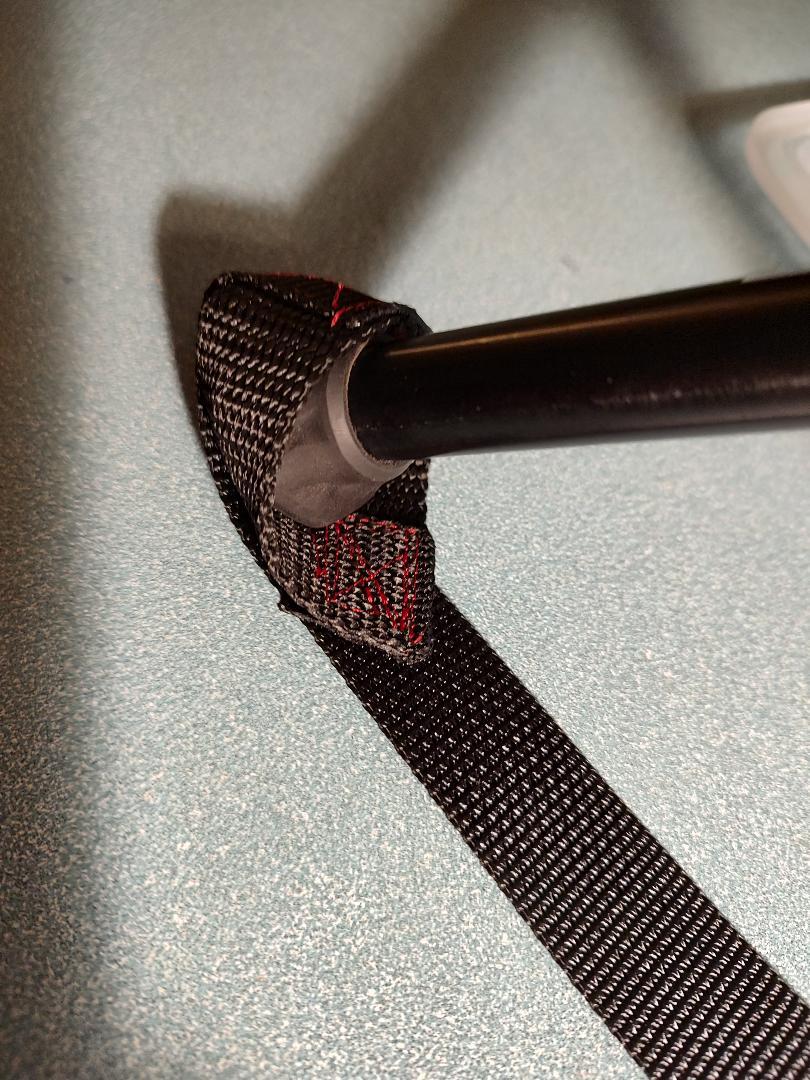

……….. Thank you for the update.
That’s some good stuff right there. Makes me wish I had a sewing machine :)
Thank you guys for your input.
Always fun to spitball ideas.
The diameter of the Helinox Chair Zero Leg Pole if your to purchase :
Outer diameter: 13 mm
Inner diameter: 11 mm
https://www.amazon.com/PATIKIL-Camping-Detachable-Anti-Slip-Replacement/dp/B0BNNLMS3J?th=1
The straps I made go onto the rubber feet that came on the Nemo Moonlight recliner, but only as needed for soft ground.
Back feet, 1 1/2″ wide
Front feet 1 3/8” wide
Another thing to be taken into consideration.

Very similar to the design I saw on “Tom loves DIY” on YouTube, episode “Hack your chair. Stop it sinking in sand/soft dirt”. He initially tried Loctite plastic emblem & vinyl adhesive, but in the notes it says he had to end up sewing them. His method of forming the foot pockets looks like it may be more simple than what is shown here, but could be difficult to access with a sewing machine.
Interesting!
I don’t remember seeing Tom’s video but maybe I did.
I don’t want to come off as having an original idea if I didn’t.
I looked back at my pictures and found my first experiments were April 28/22 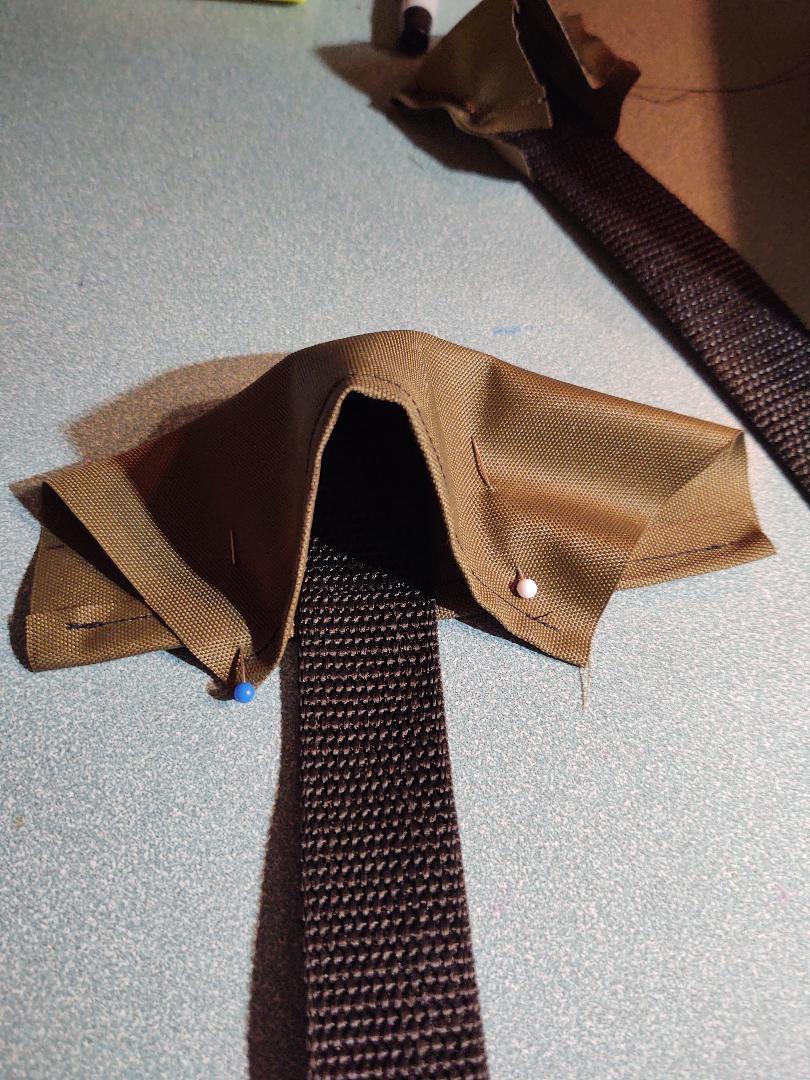
Tom’s video was March 9/22, so maybe I did.
The one I pictured at the beginning of this thread was completed May 6/22.
Anyway, hopefully I made an easier version to make for anyone wanting to.
And if a person was making it for one chair and one configuration, they might not have to use the adjustment, as long as they get the length just right length.
A good idea is a good idea, regardless of origin.
I think Tim’s foot cup designs (both original and improved) are more elegant and superior to that in the video. Notice how the foot cups in the video do not sit straight on the chair feet and the straps come off the leg twisted. Does that matter? Maybe…maybe not.
In the end, all solutions presented will certainly work just fine.
It seems I should have stated my intent when posting about the “Tom loves DIY” video. It was not to worry about who came up with an idea. Just to show an alternate way of forming the foot cups, and to let people know there is a video to watch if they want to see it.
Sorry, but I don’t remember watching the video until you pointed it out.
I don’t remember things like I used to.
Using Tim’s latest design 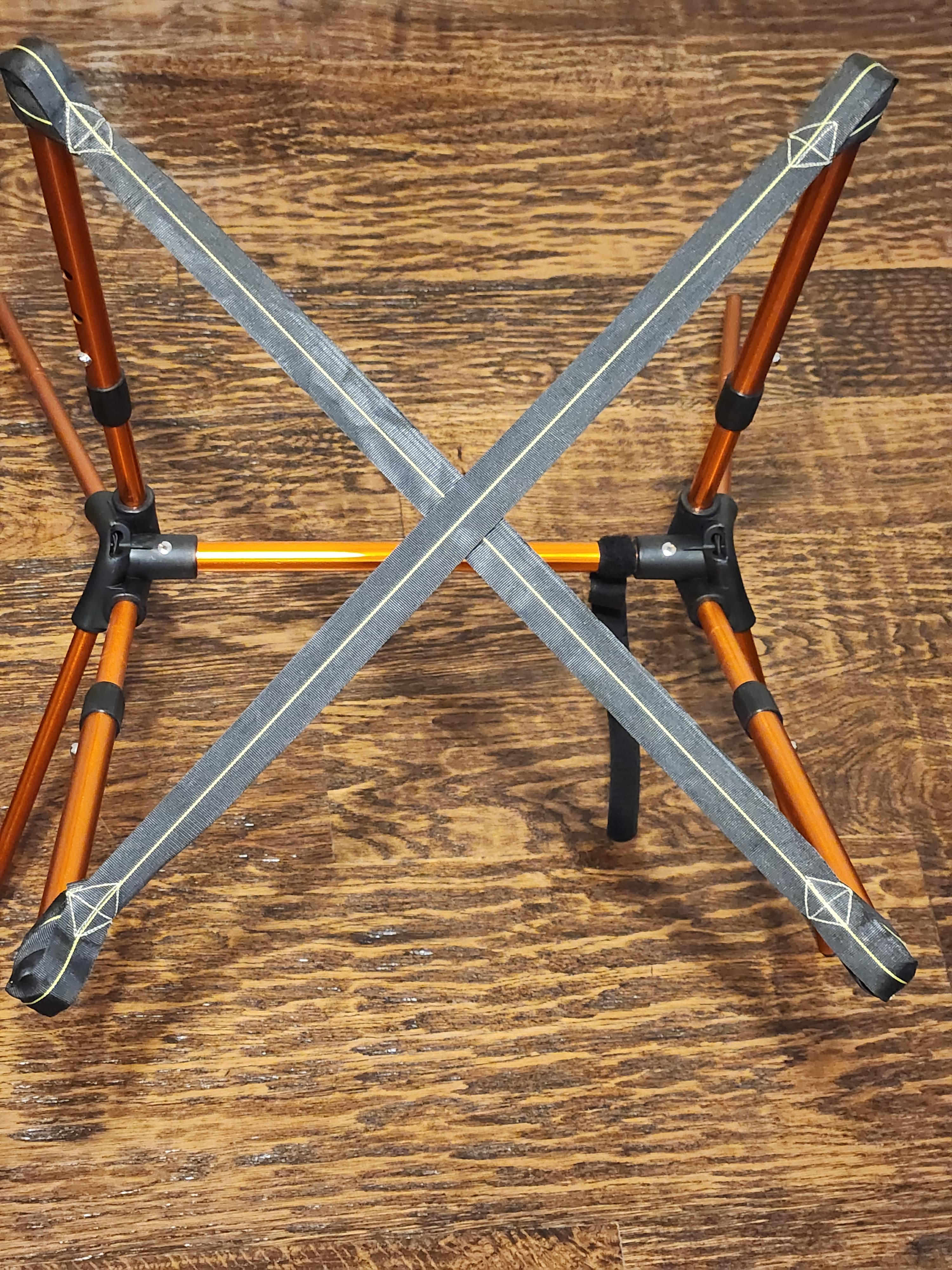 with DutchWare 1″ spiderweb 1.5: 10.3 grams
Very nice!
Thanks for sharing.
I’ve been having trouble with the last polyester webbing I bought being so thick and stiff that it won’t slide through the ladder locks.
I think I’ll try one without the adjustment. Since making it for a particular chair, you can get the length just right so it can be worked on without adjusting, like you did.
@Alan W – how have the Spiderweb 1.5 straps held up in use?
I use that webbing for my hammock chair suspension and find that it eventually curls up lengthwise to resemble cord rather than webbing. Not an issue when used as suspension, but likely would lessen its effectiveness if it did that on the chair straps.
Have only a few days of usage with the spiderweb, but there is as yet no curling/roping. I don’t opine whether this is due to much smaller sustained tensile stress compared to a hammock hang or simply limited usage to date.
ue to
👍
@Alan W How long did you make the main straps? Also is the Velcro strap on the cross member to pack up your chair? Do you have any pictures of how you use that?
David, for length, I pinned and sewed the pocket on 1 end, cut the length a bit too long, and then pinned the pocket for second end to match actual frame. After sewing 2nd end pocket, snip the excess. I did not measure anything with a ruler.
The chair came with the velcro strap. Every time that I fold the tubing frame, it seems to come together a bit differently, but the velcro helps manage the chaos while I wrap the fabric around tubing to place into bag.
I don’t worry about the velcro grams because I never carry any chair when backpacking. A 1 oz sit pad, a rock or a log suit me.
I only use this 41.5 oz Amazon Trekology chair at TH campsites and on week long Wilderness Area projects where we horse-pack in a heavy camp kitchen, food, beverages, tools, etc.
It sits well and has extensible legs that make it a quite comfortable height, even for my wife with bilateral hip and knee replacements; and yet it remains light and compact for panniers. Too much chair weight and volume detracts from evening beverage allotment on the pack animals; and our team frowns on that.
Of course, using ultralight spiderweb was superfluous for my chair use case, but I wanted to experiment with it and the chair does need stability improvement on soft ground.

I have the lightest Helinox Chair Zero in the world…In fact, it’s so light, I call it the Chair Sub Zero.
I have replaced all the DAC Aluminum tubing with lighter Carbon Fibre tubing, and I have replaced the original Polyester fabric seat with an MTP Monolite version…It originally weighed 484g (17oz) but now it weighs only 364g (12.8oz)! That’s a saving of exactly 120g (4.2oz).
As for stopping the feet sinking into soft ground, I am currently using a dark brown DCF groundsheet from HikeLight, which weighs 22g (0.7oz) and my storage bag is a Wild Sky Gear (WSG) real tree camo storage bag that weighs 6g (0.2oz), so the packed weight is now 392g (13.8oz or 0.86lb).
The biggest problem with the “anti sink” methods mentioned in this thread is they all rely on the existing feet being in place on the legs…The Helinox’s four plastic feet together weigh 30g (0.67oz), so if you remove them you are already saving weight. I have kept mine on from now but rest assured, if I can find lighter feet that will do the same job I will use them instead.
Become a member to post in the forums.
 Brynje Mesh BaselayersBrynje baselayers use open mesh construction to move moisture away from the skin, create insulating air pockets, and help regulate body temperature across changing conditions and activity levels.
 © Beartooth Media Group Inc.
 Loading...