Topic

Birds

Viewing 25 posts - 101 through 125 (of 254 total)
PostedOct 30, 2019 at 7:41 am

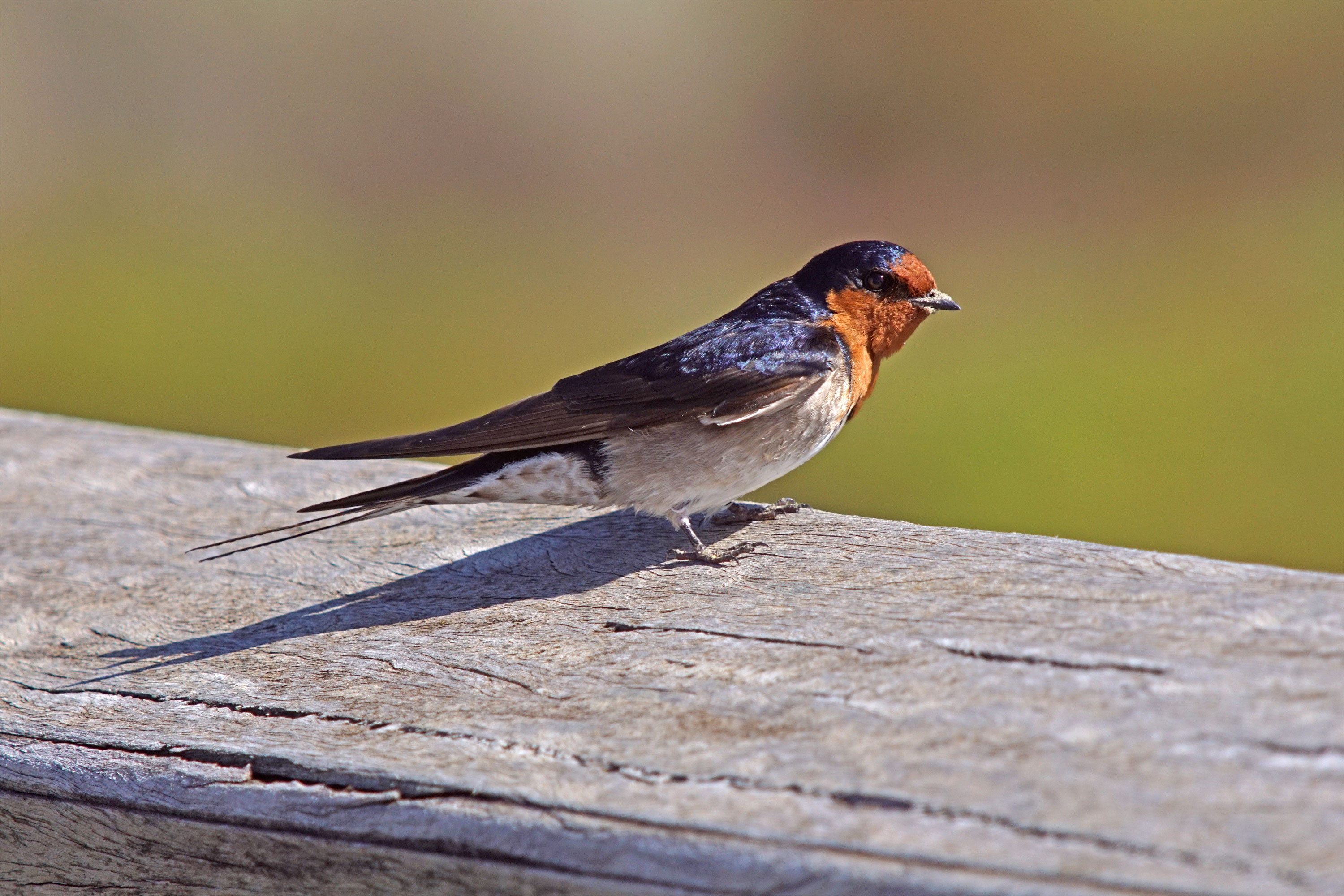
Something that i have come to apriciate lately is just how beautiful some birds,  that look mundane or ordinary with our eyes , are when we get a close look

This is a very ordinary welcome swallow that seems to be a sort of small black and white bird otherwise

jscott Blocked
PostedOct 30, 2019 at 3:25 pm

Birds must pity us our plainness. And our inability to soar with our bodies. We eat well tho.

PostedNov 17, 2019 at 12:36 am

Apart from a pair of brown falcons, the other local raptures , including the 3 kestrels, have disappeared since about 2 months ago.

I hope they come back.

PostedNov 17, 2019 at 12:50 am

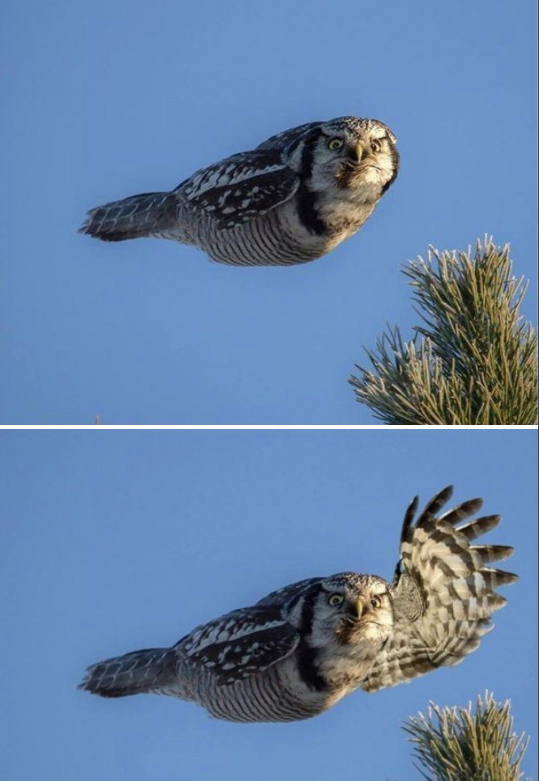
BTW, nice when birds start to recognise you.

This is Albert saying hello

(funny edited photo, from the Net)

Roger Caffin BPL Member
PostedNov 17, 2019 at 4:16 am

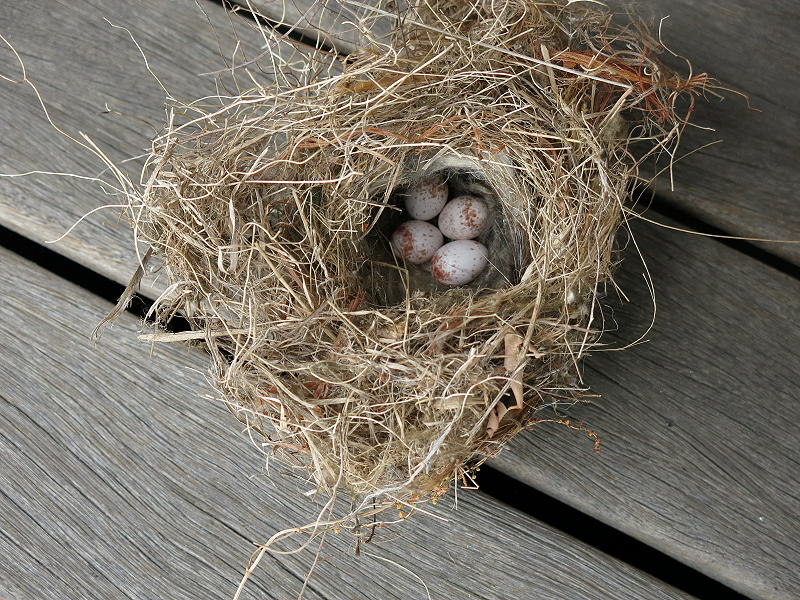
Our farm, dam, dam wall, wattle tree. It died and fell over. I found this on what had been a high branch.

But I think the nest had been abandoned for several weeks, once the tree fell over. Anyhow, the nest did belong to some Fairy Wrens, alias Superb Blue Wrens. We see them around the house.

(photo from the web)

Cheers


PostedNov 17, 2019 at 4:36 am

Those wattle trees look beutiful one moment, two days later they fall down. We had lots of them on our previous place but never thought of looking for nests .

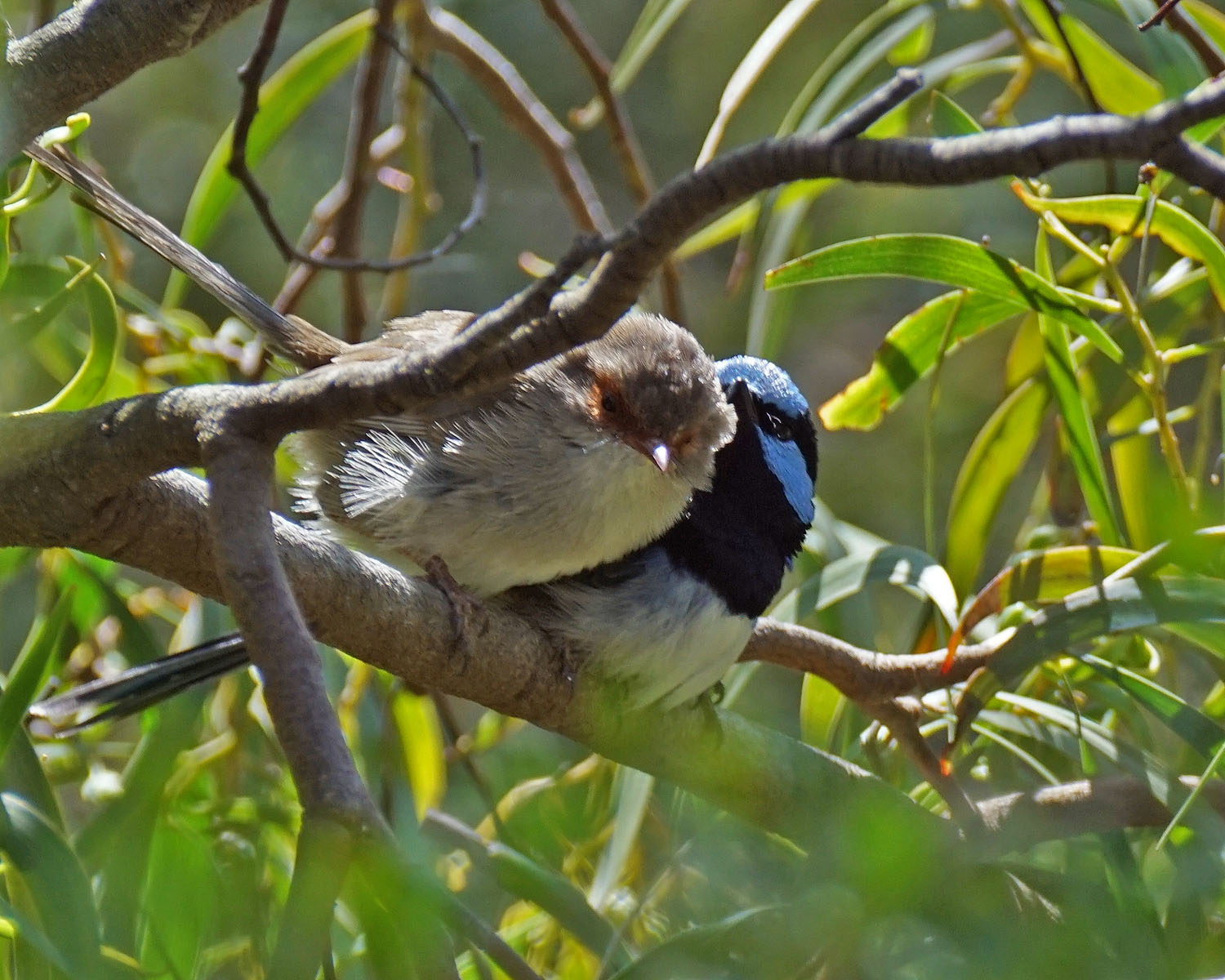
The male on your photo (on the left) has the full mating colours.

One of my shots :

Roger Caffin BPL Member
PostedNov 17, 2019 at 5:41 am

I should add, for the benefit of Americans, that these Fairy Wrens usually have a harem of >4 females each. There might be other males in the group, but they will not have mating plumage!

Cheers

David P BPL Member
PostedNov 17, 2019 at 11:16 am

What a treat those little birds…

although common and not considered by many to be beautiful, the American Common Crow has an amazing ability of facial recognition. Personally I feel a connection to them. A certain crow has been visiting my house for 2 years, I’ve named her “Sugar”. Our routine is- she lands atop our telephone pole, I notice her, I toss out little pieces of leftover bread or corn chips for her and she will come down within about 3-4 meters from me now.  She refuses to come down, however, if my wife, son or my cats are outside.  Sugar disappeared for about 3 months over the winter and when it showed up again it was accompanied by its baby! The baby couldn’t “caw” yet and made sort of a garbled screech. when next to each other on the pole, though, I heard Sugar make the most precious “cooing” sound like a pigeon or dove, I was unaware crows could make such a sweet sound since I’ve only ever heard the tell tale “caw”  if I can get a good shot of her I’ll send it along soon.

PostedNov 17, 2019 at 10:46 pm

Nice to get to know a particular animal that remains wild otherwise.

Still I prefer not to use food or other tricks some photographers use, I like to photograph them doing what they would do if I were not there.

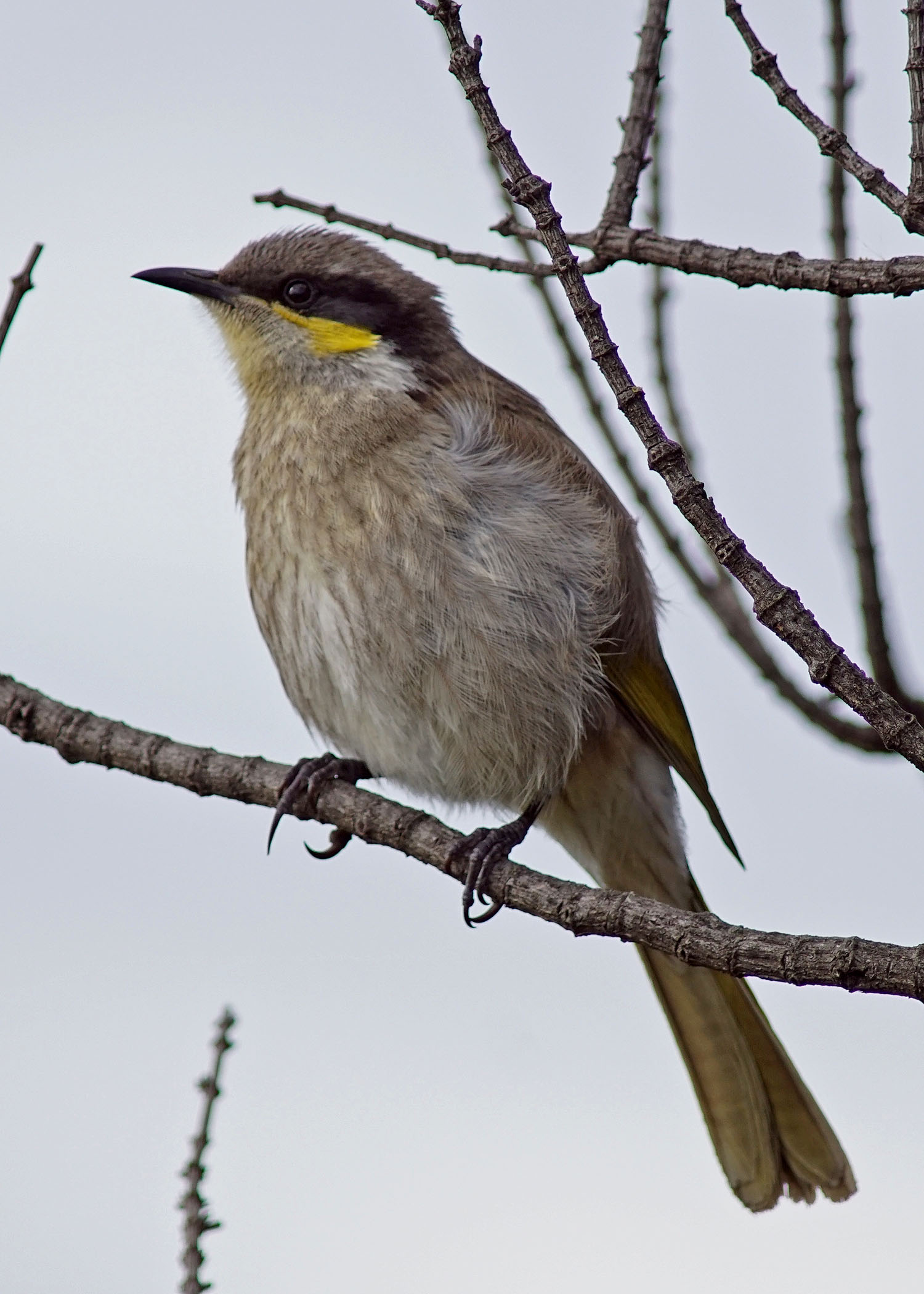
There are several of these yellow faced honeyeaters on the circuit we do for our afternoon walk. Some almost always call out and show themselves as we go past .

( I think it’s a singing honeyeater after all but the differences with the juvenile are similar to the yellow faced …)

Roger Caffin BPL Member
PostedNov 17, 2019 at 11:00 pm

@Franco

You know, that one looks like a baby: very fluffy on the chest. Feathering up, but some way to go.

Cheers

PostedNov 18, 2019 at 12:53 am


sorry about the confusion between the singing honeyeater photo I posted and the yellow faced honeyeater I thought I was posting. (they are similar and I mislabled the former in my file)

Anyway, it is an adult as confirmed by the members of the local bird forum. (yes, they do know their stuff, I’m still learning)

PostedNov 18, 2019 at 5:22 am

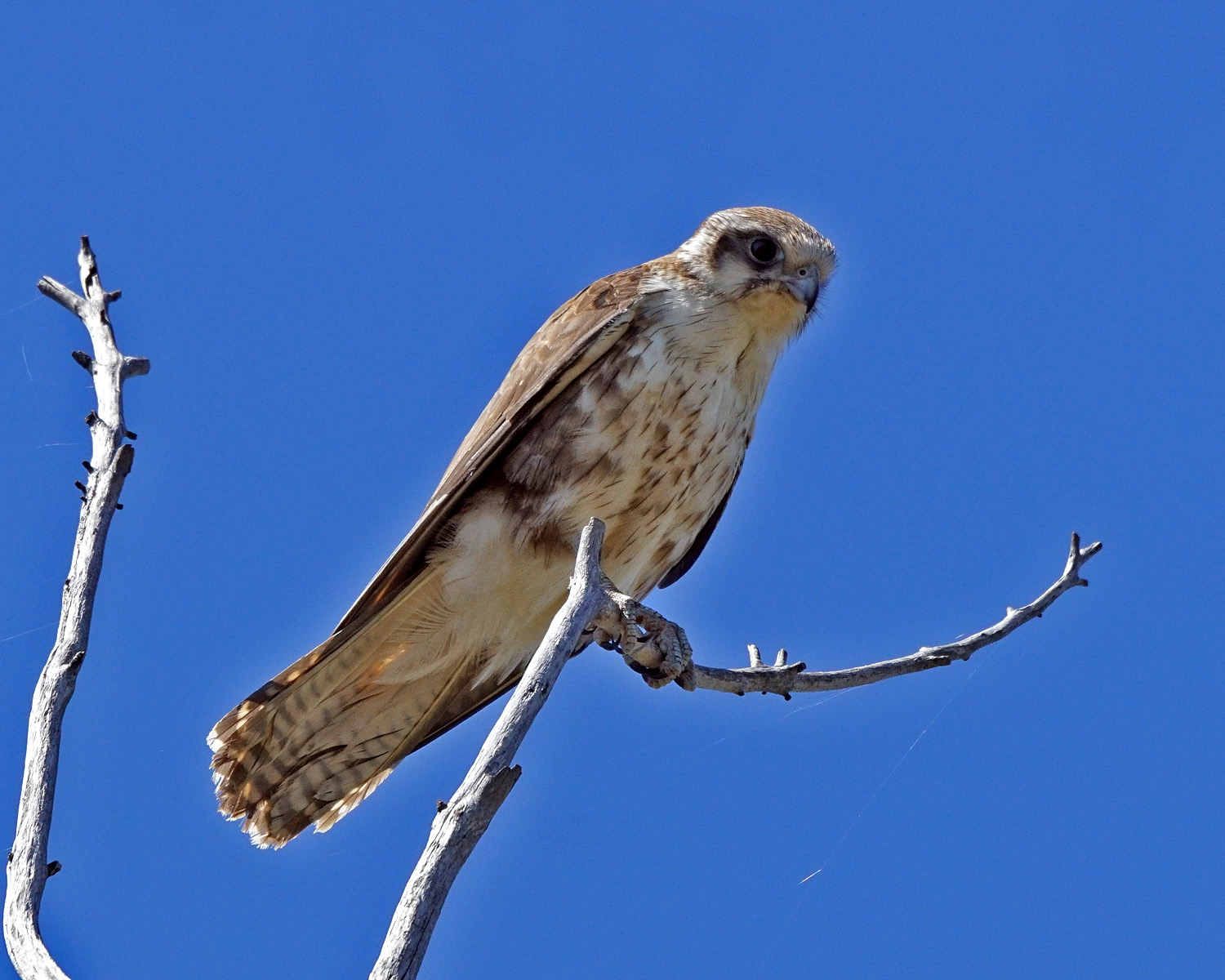
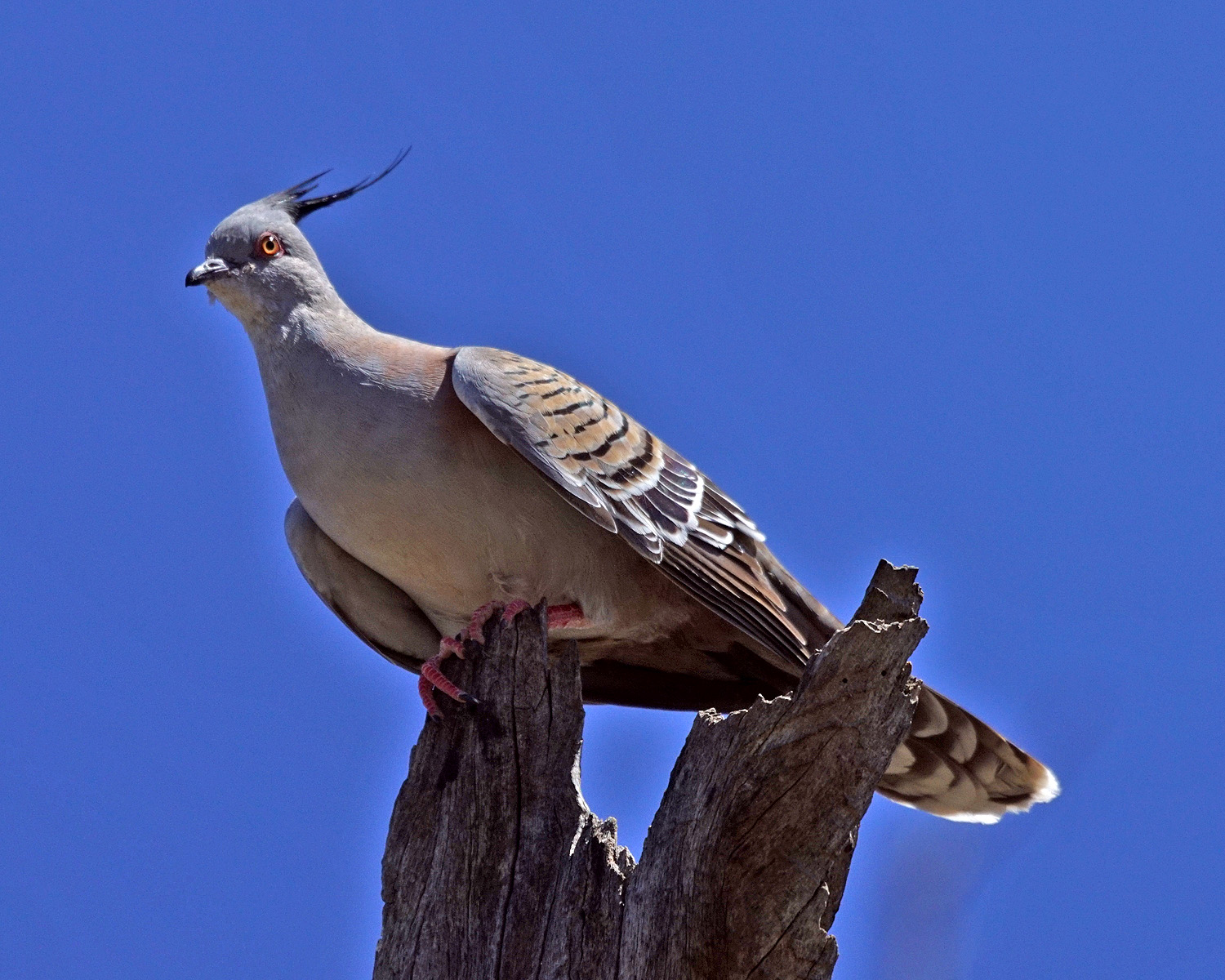
A couple from this afternoon.

Bown falcon and crested pigeon.

I shot the pigeon because it was the third time it went ahead of me , posing and then flying on again.

Sharon J. BPL Member
PostedNov 21, 2019 at 1:56 am

One of your Aussie birds:

20191101-20191101-DSC_1810

This is a Bar-tailed Godwit, thought to breed in Alaska and Siberia, then migrate non-stop to New Zealand or Australia. This juvenile perhaps got lost, or tired, or simply hadn’t bulked up enough to make the full journey, so has been taking a break in the San Francisco Bay area for the last couple of weeks, much to the delight of local birders. Only about 70 individuals have been recorded in California in the past 50 years, though I’m sure detection rate will go up now that they’re on more birders radars.

Sharon J. BPL Member
PostedNov 21, 2019 at 2:07 am

@david-paradis

Crow behavior is fascinating! There are three that visit me every day. Most times they don’t caw, but give a soft “uhk!” Once in a great while they will literally say “hello”.

20191019-20191019-DSC_1554

These two are especially cute – he(guessing) kept trying to give her(still guessing) a little sprig of leaves, but she wasn’t having it and would hop away when he got too persistent. When I went out to look later, the ground under the tree was littered with dozens of similar twigs.

PostedNov 21, 2019 at 4:59 am

Nice photos.

That Godwit does visit my area but I haven’t seen it (I haven’t recognised one…)

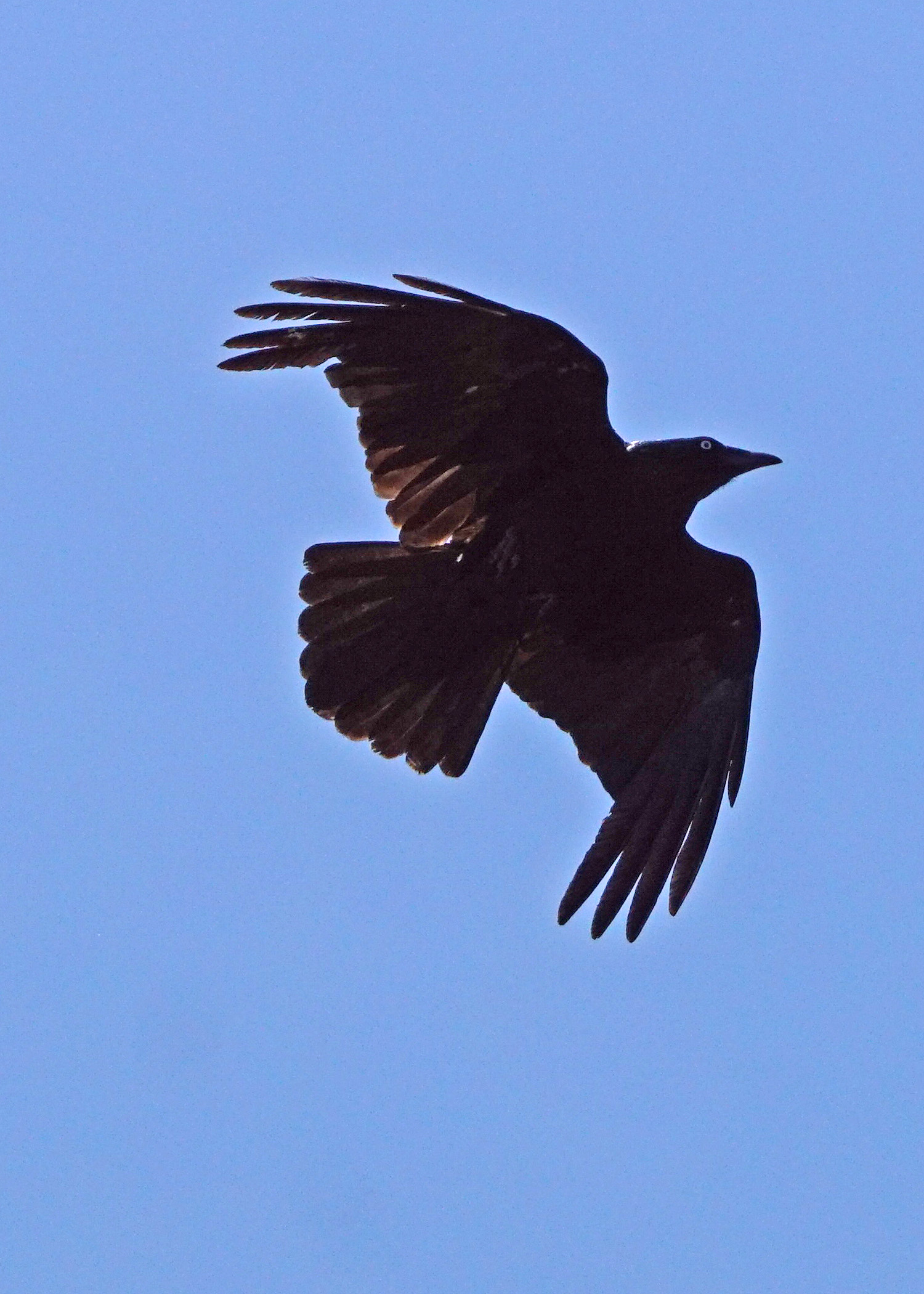
We have ravens here.

One pair likes to lord it over a largish section of the beach so for no reason at all they clear the area from other birds.

One of those two :

BTW, I had a look at some info on those Godwit. 4 of the locally banded birds were spotted in Taiwan and one in New Zealand.

They found another one that was about 2 years old in Siberia, no reason to be there because they don’t breed till they are 4 years old, so why the jorney North ?

They arrive here in August but don’t know how long they stay. I must take my binos more often because at a distance I could not tell them apart from some of the sandpipers we have.

PostedNov 22, 2019 at 5:32 am

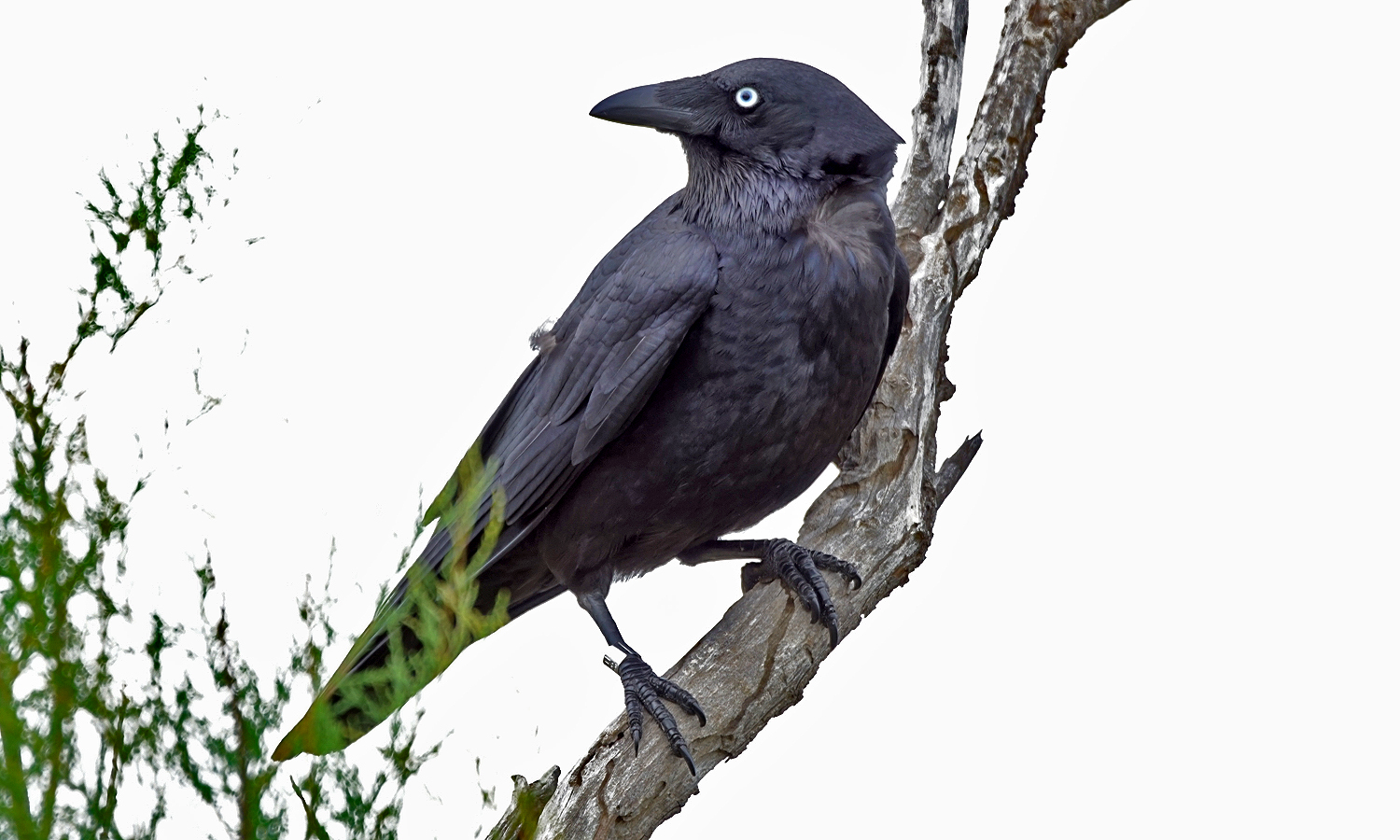
Because most people here call our ravens “crows’ (same family, different bird) I took this photo this afternoon to show an obvious difference.

Ravens have a wedge tail

the tail of a crow is flat at the end.

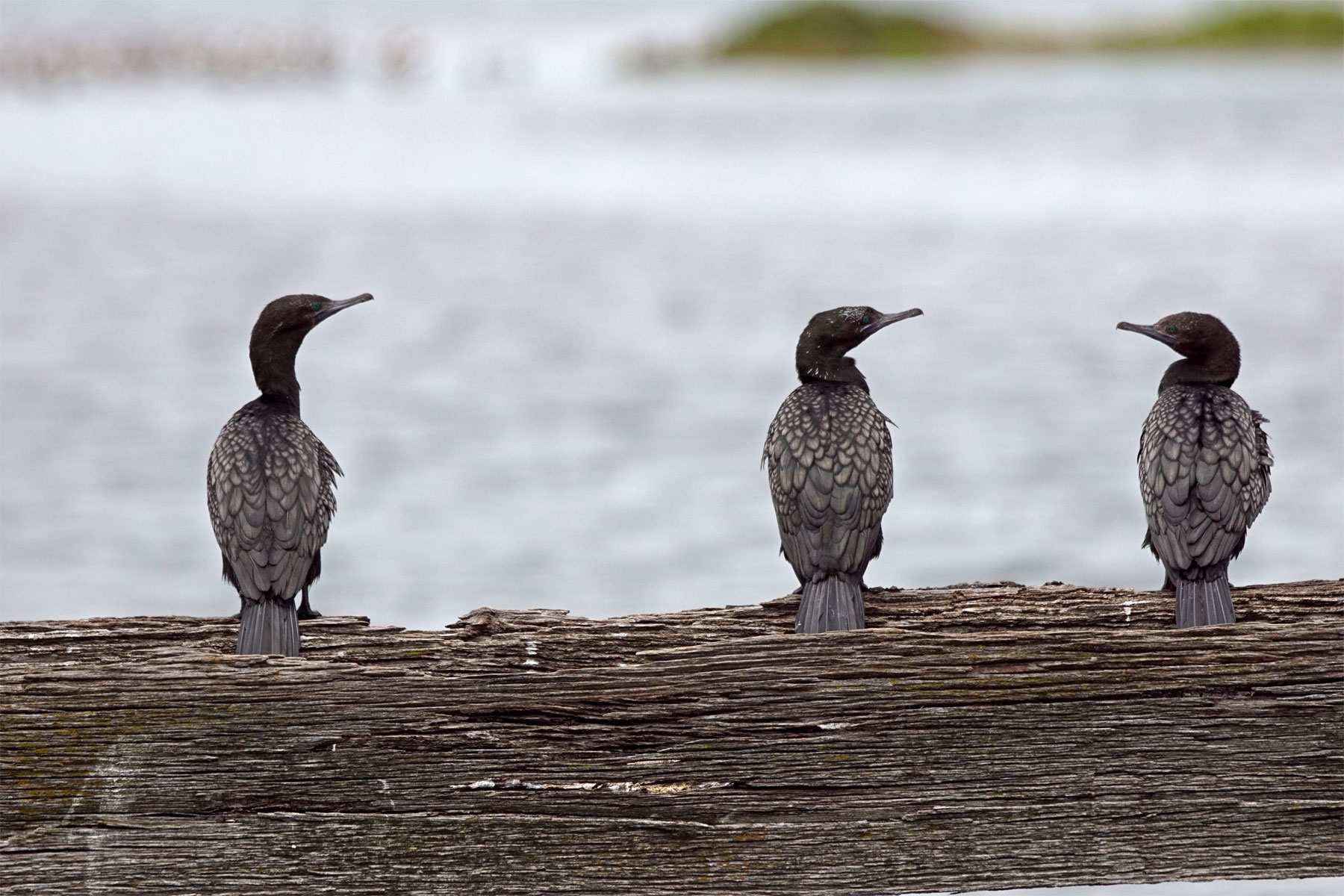
A loving pair of little cormorants

PostedNov 25, 2019 at 4:50 am

Godwit part II.

Today I spotted a sign announcing the imminent cull of some of the too many foxes we have. The sign mentioned that the Godwit is one of the birds they prey on and that this bird is the record holder for the longest uninteruppted flight : 11000 KM from Alaska to New Zealand, in 8 days.

3 black cormorants in the same place as the little cormorants I posted the other day :

Roger Caffin BPL Member
PostedNov 25, 2019 at 6:21 am

no reason to be there because they don’t breed till they are 4 years old, so why the journey North ?
They may be learning the route, for next year?

Cheers

PostedNov 25, 2019 at 9:07 am

Could be but most don’t. Birds have this ability of finding their breeding grownds without having been there before. Some call that “instict”, I don’t know.

PostedDec 1, 2019 at 9:43 pm

I like when I get to know a particular bird.

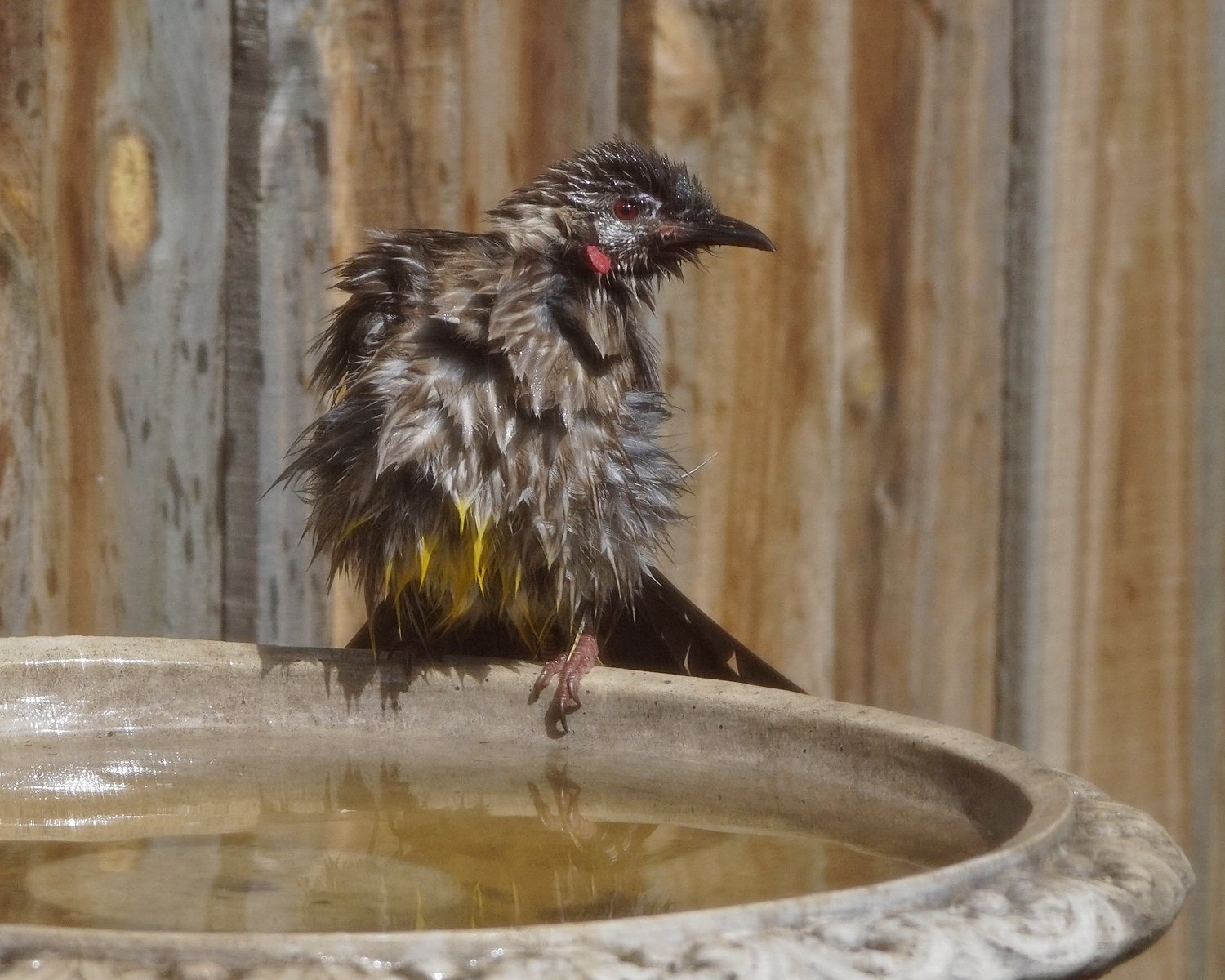
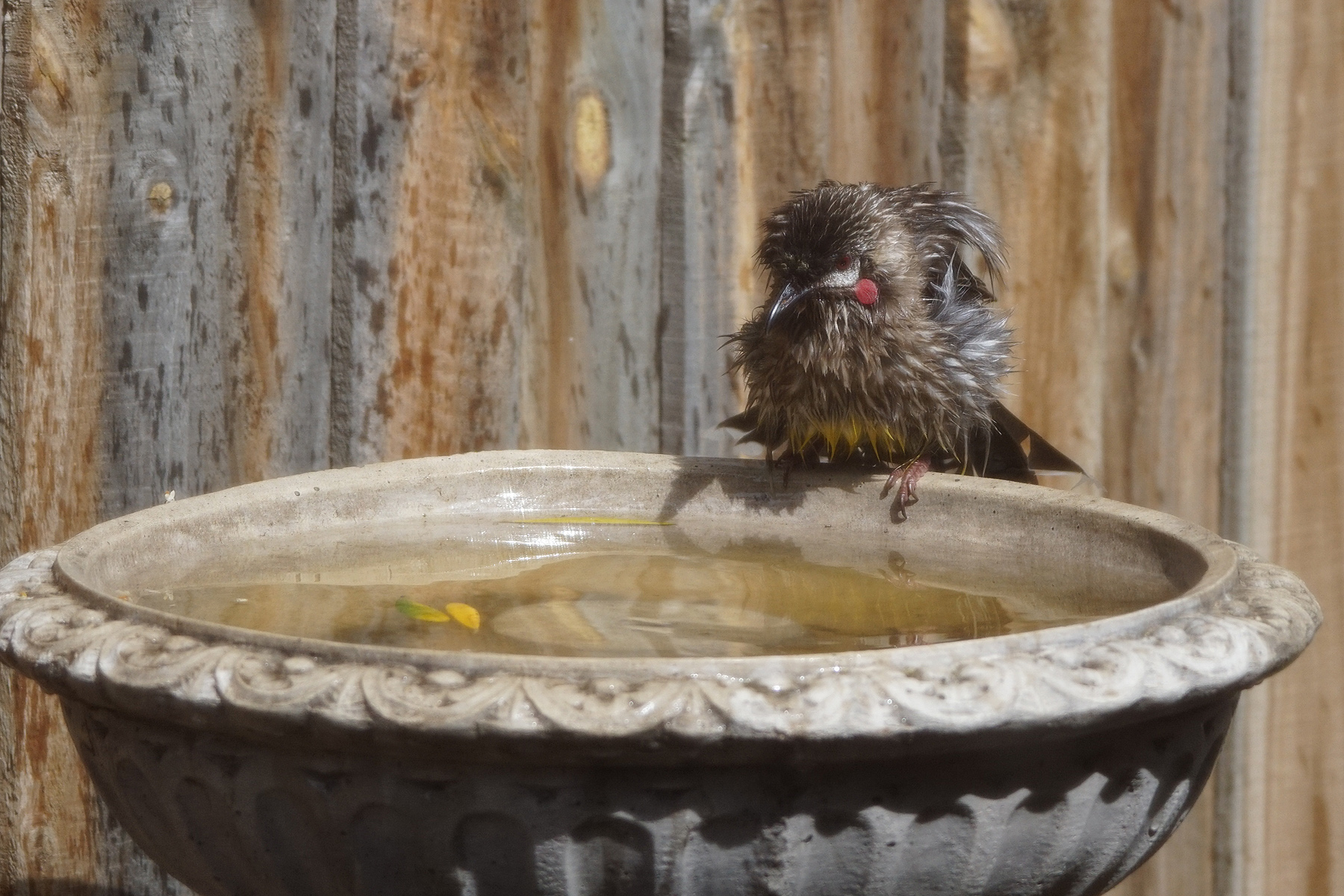
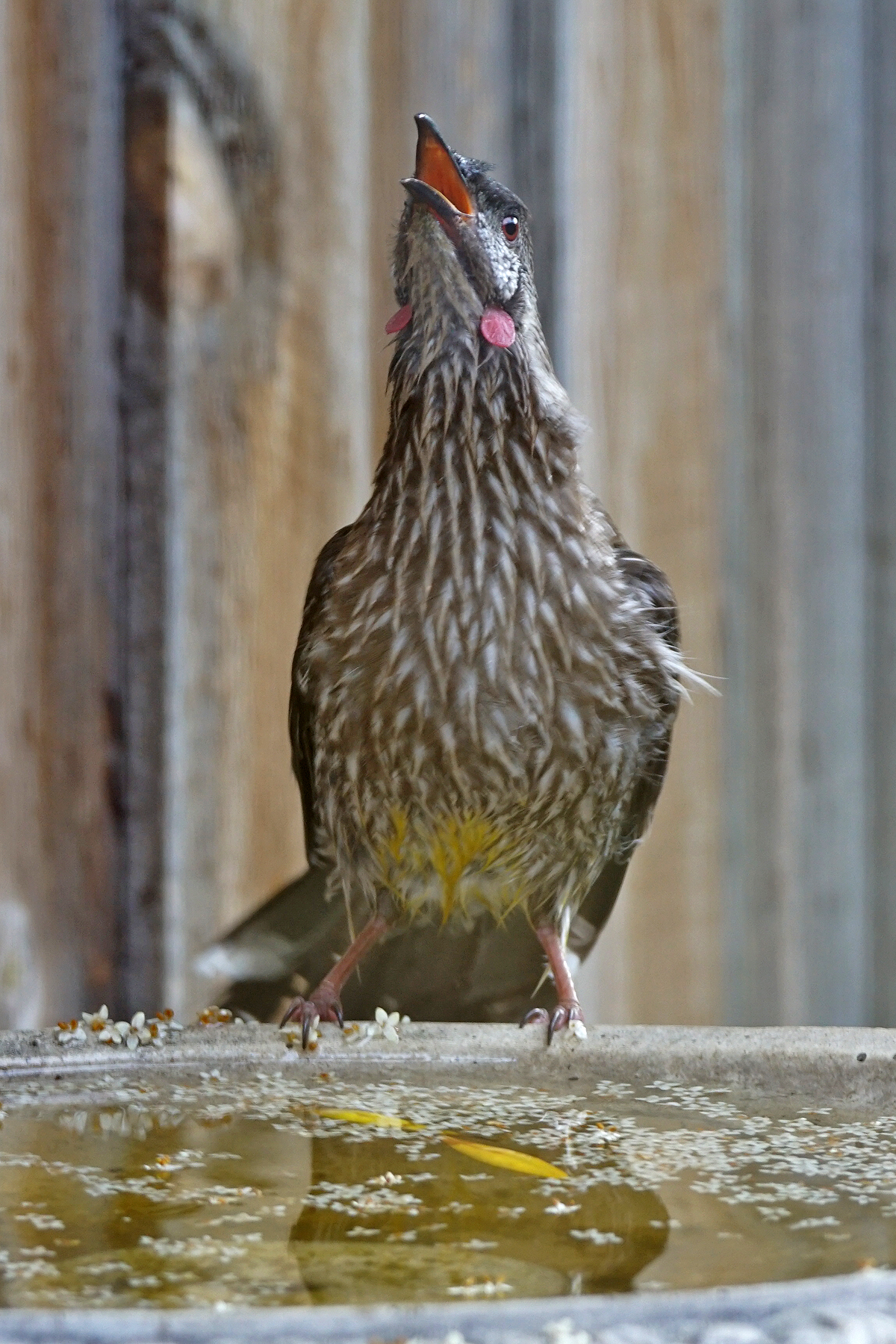
This wattlebird comes for a bath at around 4 PM. Others do too but don’t behave like this one.

It lands on the fence, then dives to the side of the bath, looks around, dives into the water and immediately turns around and flies back to the top of the fence and repeats 3 0r 4 times. On this particular occasion it did that at least 10 times.

This is the 9th or 10th time.

another go…

looks like this when dry

PostedDec 1, 2019 at 9:53 pm

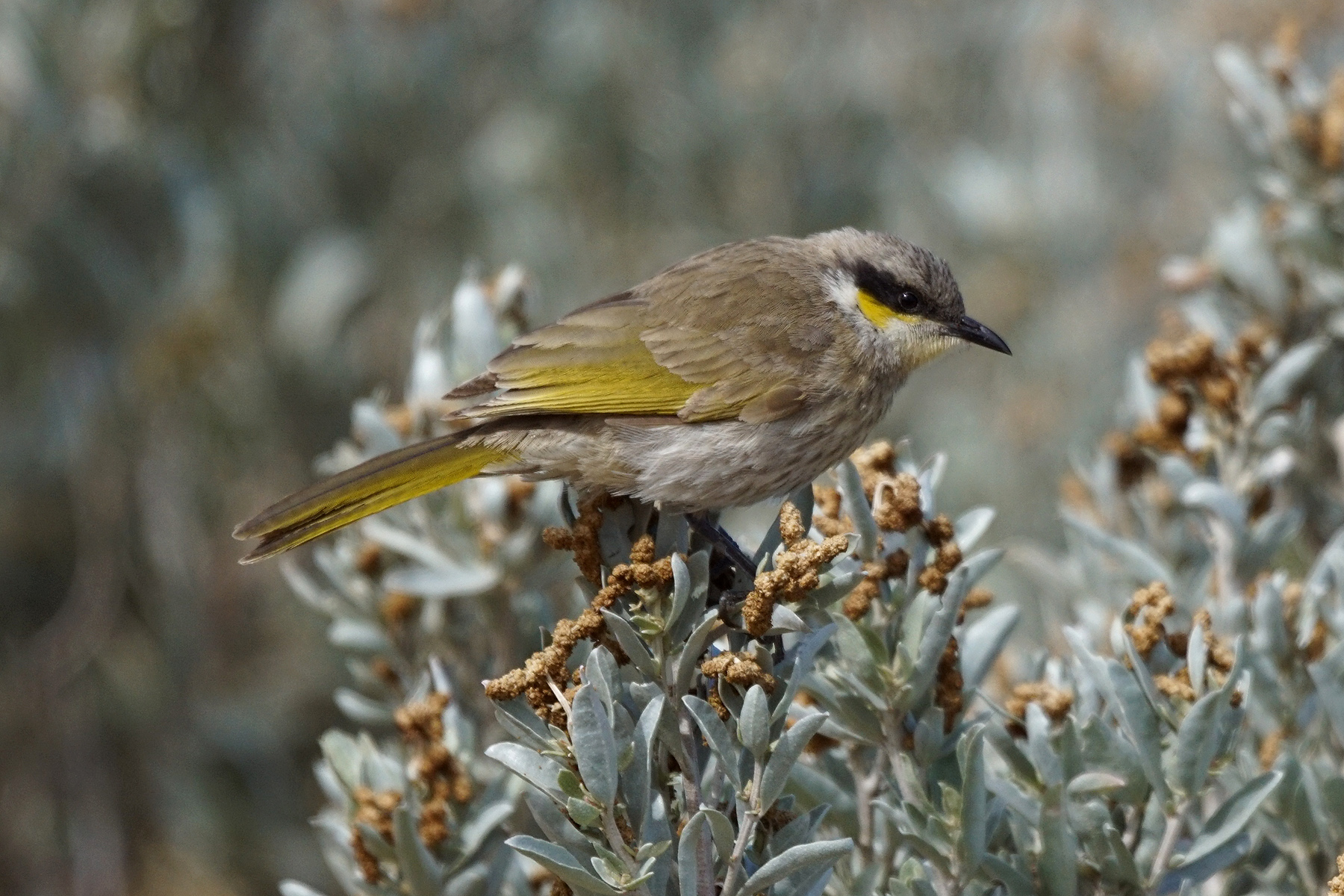
This is the same honeyeater i posted a few days ago. Typically it sits inside a particular tree and chirps as we go by. Most often it comes out to one of the external branches and has a look , as it did in the previous post. This time, on our way back,  it flew out of his refuge to this shrub and flew back as we went past.

Viewing 25 posts - 101 through 125 (of 254 total)
Loading...