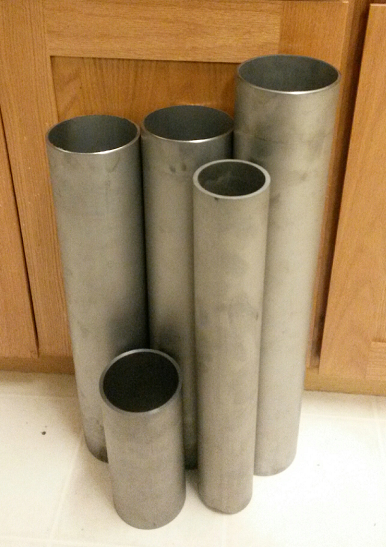
There is a canon of mythology surrounding beryllium and I’m disappointed to see Roger and Aubrey perpetuating it. Roger, you even went so far as to cherrypick an alarmist excerpt from a Wikipedia article that is mostly opposed to your argument. I’m surprised to see that from you, Roger. That same Wikipedia article that you misconstrued says “Swallowing beryllium has not been reported to cause effects in humans because very little beryllium is absorbed from the stomach and intestines.” You didn’t include that excerpt in your post. That sentence comes originally from this CDC bulletin: http://www.atsdr.cdc.gov/PHS/PHS.asp?id=339&tid=33.
METALLIC BULK BERYLLIUM IS NOT A HAZARD. All studies showing beryllium toxicity pertain to lung injury from fine beryllium dust or systemic injury from organic compounds of beryllium, like beryllium carbonate. The EPA calls it a Probable Human Carcinogen because the dust causes lung cancer. Does that toxicological fingerprint remind you of anything? How about titanium? Fine titanium and titanium dioxide dust is a major inhalation hazard that can cause life-threatening disease and some organic compounds of titanium are highly toxic.
About beryllium, the CDC says “Animal studies have not found significant associations between ingestion of beryllium in the diet and drinking water and increased incidence of neoplasms in rats, mice, or dogs. It should be noted that no toxic effects were observed in rat and mouse chronic-duration studies tested at low doses, and the duration of the dog study was too short to be predictive of late-term cancer. The EPA concluded that the human carcinogenic potential of ingested beryllium cannot be determined.”
The National Poisons Information Service in the UK says “Gastrointestinal beryllium absorption is poor and systemic toxicity via this route does not occur.”
The Scottish Environment Protection Agency says “Ingestion of beryllium has not been reported to cause harmful effects in humans.”
The excellent toxicology reference text Hazardous Materials: Emergency Action Data (by Foden and Weddell) says: “There is no record of illness from ingestion of beryllium.”
The Report of the Ad Hoc Committee on Beryllium, National Materials Advisory Board, Division of Engineering, National Research Council says: “No harmful clinical effects have been reported from ingestion of beryllium-containing materials.”
The Handbook of Industrial Toxicology and Hazardous Materials (Cheremisinoff) says: “There is no record of illness from ingestion of beryllium.”
The World Health Organization’s Concise International Chemical Assessment Document 32 says: ” Ingested beryllium is poorly absorbed (<1%) from the gastrointestinal tract…unabsorbed beryllium is eliminated via the faeces shortly after exposure…”
I’m going to stop there because I’m getting bored. Bulk beryllium metal is not hazardous. Like titanium, it is strong, hard, and inert, and it would be very difficult to ingest any by using a beryllium pot. Even if you managed to scrape some of the metal away with a hardened steel file and ate it, it would pass right through you.