


This thread is the official product listing for member gear reviews of this product. Add your review as a reply to help build the shared knowledge base. – Mods
BPL Listing ID: 2026-01-04 18:04:28 UTC / 92690d5408
Topic
Become a member to post in the forums.
.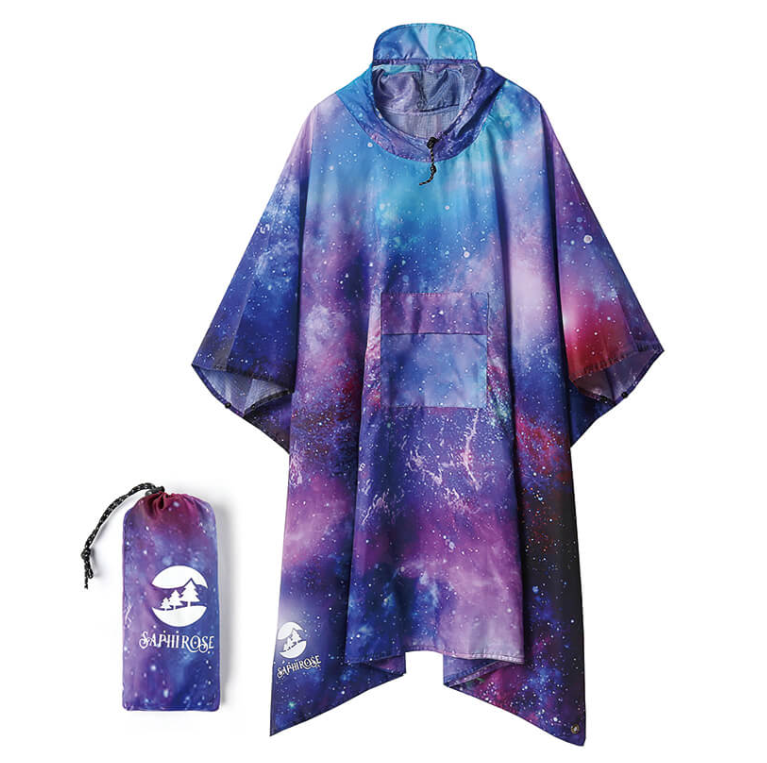
Adult unisex pull-on rain poncho coat with adjustable hood, button-snap sleeves, and front pocket, made from 100% polyester with PU 3000 mm coated and heat-sealed seams; below-knee length at 42.9 x 55.5 in, packable, and weighing about 0.62 lb (281 g).
This thread is the official product listing for member gear reviews of this product. Add your review as a reply to help build the shared knowledge base. – Mods
BPL Listing ID: 2026-01-04 18:04:28 UTC / 92690d5408
Sil-polyester has taken over from sil-nylon for a number of reasons, the most important having to do with performance when wet. Sil-poly does not stretch out when wet and does not absorb nearly as much water as sil-nylon. Fewer and fewer top-brand tents, flies or tarps are made with sil-nylon any more.
But the word has not gotten out among poncho makers. Before heading out for a couple of weeks in the notoriously rainy Scottish Highlands, I wanted to up my raingear system with a sil-poly poncho. My choices were few.
MLD’s Pro Poncho tarp now comes in sil-poly. I have used and loved my sil-nylon poncho tarp for many years, but wasn’t up for spending $200+ to replace it. The only other plausible sil-poly backpacking poncho I could find was from a company I (and probably you) have never heard of, Saphirose.
Although the poncho is sized to drape over a backpack, upon receipt it was clear that the snaps were not well-positioned for this task. I got out my snap kit and added a couple at the back corners so that they could mate with the second set of snaps on the front. The other thing immediately apparent was the hand of the fabric. Other sil-poly gear I have is supple and soft compared to sil-nylon, allowing it to pack easily. The fabric on the Saphirose poncho is quite stiff.
As it turned out, the weather in Scotland was uncommonly hot and dry and I wore my poncho for all of 10 minutes over 10 trail days. The WA section of the PCT in September (particularly the Glacier Peaks Wilderness) provided a much better test of the poncho, with several major rainstorms and many miles of hiking through wet overgrown brush.
The poncho performed fair to good I would say.
Pluses:
Minuses:
Bottom line – this is an affordable and serviceable poncho. Some changes could make it a great one (although probably more expensive).
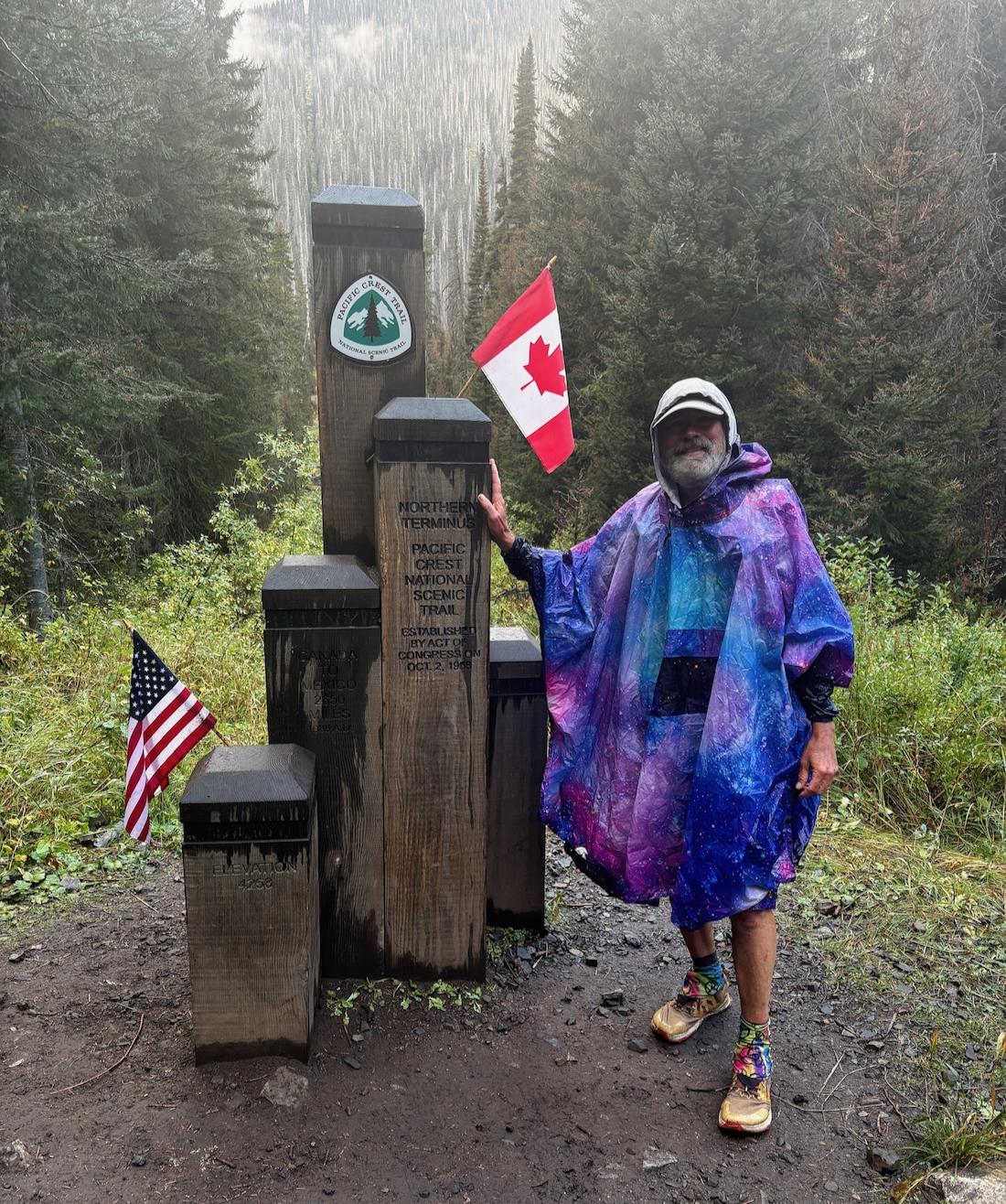
Saphirose poncho keeping me dry (but not warm) at the PCT northern terminus, Sep 2025

I have mentioned SaphiRose in the past, in the context of a front-zippered poncho that they make. As you report, they make good, cheap, basic, stuff that is sometimes ahead of the rest of the poncho market.
It isn’t clear which SaphiRose poncho you chose, but the front-zippered version solves the chest ventilation issue.

The downside of the MLD is that for the price, I’m very hesitant to use it for a ground cloth. Also a little tricky to get over a full pack.
Another alternative.

The Saphirose front zip poncho unfortunately didn’t work for me, letting too much rain in. Trip report:
My pack rode up high enough that the poncho wasn’t long enough, but a bungee belt helped. Pictures here:
A different pack (like my kakwa 55) that sits low would be necessary.
I don’t have any of these issues with the Sea to Summit ultrasil nano poncho, but it costs much more.
Bill – the front-zip version is a bit too short (77 vs 84 inches), as David D indicates. I already have a shorty poncho (the Zpacks DCF) and know from experience that it does not provide adequate coverage for all-day storms. Pairing it with a rain kilt helps, but at that point you’ve basically got the same weight and coverage as a larger poncho.
Become a member to post in the forums.
 New Gear with Aluula FabricsLighter, stronger, more abrasion-resistant, and highly water-resistant - explore ultralight backpacking gear made with ALUULA Graflyte fabrics. Engineered for exceptional strength, durability, and lightweight performance, ALUULA Graflyte helps reduce pack weight without sacrificing reliability, making it ideal for demanding backcountry adventures.
 © Beartooth Media Group Inc.
 Loading...