Im planning a Presidential Traverse and a 100 Mile Wilderness trip and wanted more durable rain wear than the Frogg Toggs I currently use. Though I will say that for the budget conscious the Frogg Toggs are a good light weight option for trips through easy to moderate terrain that dont require scrambling. Ive used the same set for three seasons and theyre still in good shape.
I considered the Marmot Essence jacket and pants but the active venting used with the cagoule, chaps combo and its lower cost won me over.
I'll report back when Ive had a chance to test this set up on the trail.
UPDATE:
After receiving my cagoule and chaps I tried both on and found the size small chaps to fit my 30 inch inseam perfectly. They were much to tight to accommodate my loose fitting EMS Camp Cargo hiking pants however, so Im going to exchange them for a larger size. Because of the fit issue I did not include the chaps in testing.
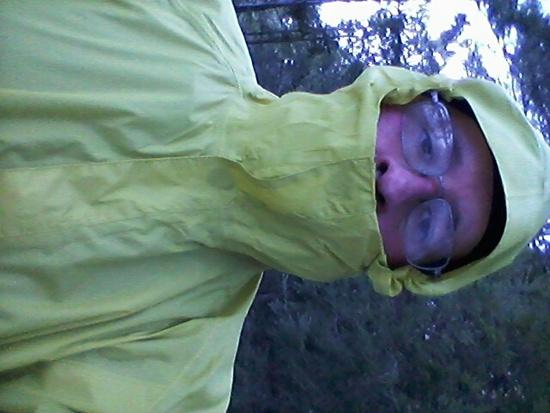
Im 5' 7" 185 lbs with a 42" chest. I ordered the size large cagoule and it fits me well. It took me a few tries to learn how to put the cagoule on quickly but this is easy now. Its a matter of bunching the material in your hands and pulling it all over your head at once.
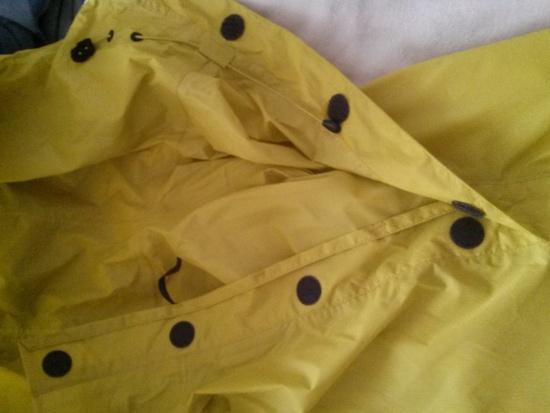
As others have mentioned the front flap seems an awkward fit at first but after going through the motions of donning the cagoule then a loaded pack then adjusting the pack for comfort I found that the cagoule settles into place nicely without any gathering at the waist. I then fastened the velcro closures. For me the back hem sat several inches lower than the front once the adjustments were made. The time spent donning the cagoule and pack, then making adjustments was less than one minute.
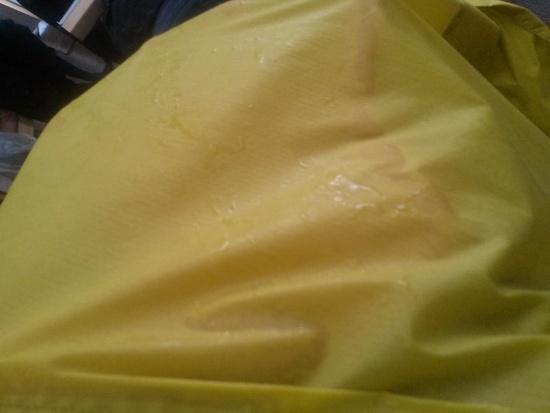
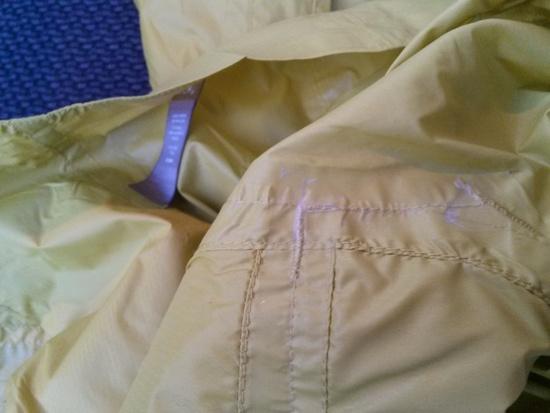
Since New Hampshire doesnt see much rain March the first test I performed was the shower test. The was the first time I tested a garment this way and I didnt find it to be a very realistic recreation of natural conditions where I general hike. The volume of water was much higher than Ive ever encountered outdoors and the water pressure felt much higher as well, but here are the results… I stood in the shower for a total of fifteen minutes. I stood in different positions to see the effect of exposure from different angles. After ten minutes I stepped away from the water flow. It was clear at this point that water was not beading on the surface as nicely as when the test began. I then dried my hands and lifted the front flap and could see it had begun to wet out. Though the fabric fely dry to the touch and my legs were still dry at this point. I released the velcro chest closure and inspected the inside of the fabric and found it to be dry. Because I couldnt see the hood fabric very well I cant be certain about wet out but the inner hood was mostly dry at this point because it slid over my bald head smoothly and my head was dry. I sealed everything up again and stood under the water for another five minutes. After exiting the shower I removed the cagoule and inspected the inner fabric. The lap area had wetted through. (see pic) The shoulders and hood had begun to wet out but not not through and with the exception of the lap area I was still dry. Had I been wearing the chaps my lap may have been dry as well.

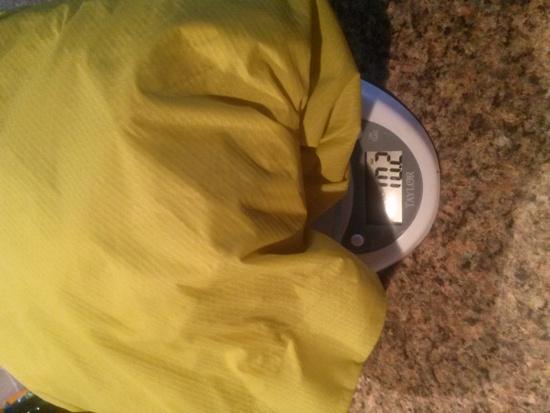
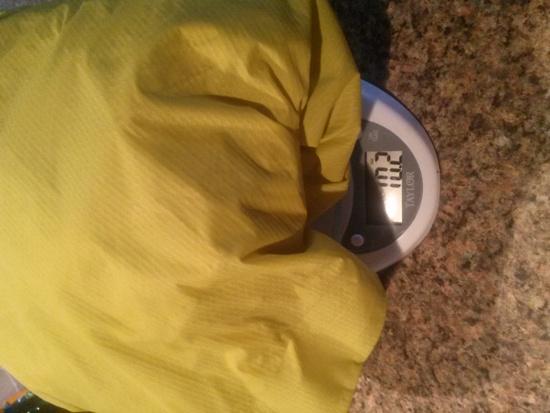
After the shower test the normally seven ounce cagoule weighed 10.2 ounces.
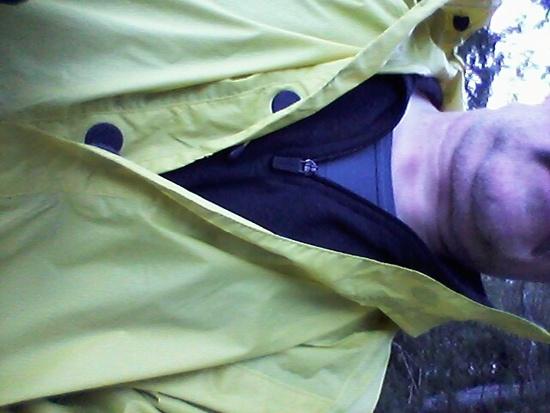
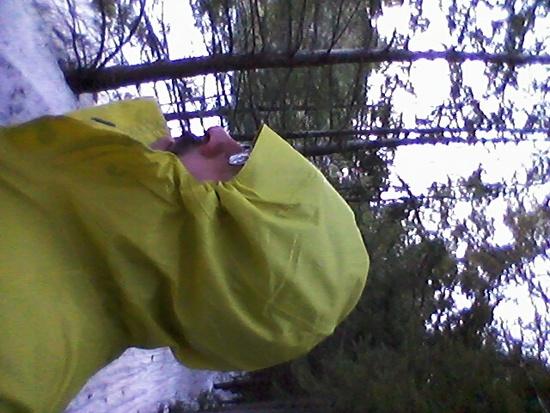
Test 2: I wore the cagoule on a 5.5 mile hike. Temps in the mid twenties, winds varied from five to fifteen mph with gusts of 25mph. I started with the cagoule buttoned up tight. With a 200 weight merino base layer and 100 weight fleece mid layer I felt comfortably cool when exposed to wind and warm when sheltered from it. Even sealed up I could feel the stronger winds penetrating the cagoule though not to a level I found uncomfortable. Even though this was a biting cold wind its affect was brief. After 30 minutes I felt warm enough to open the chest up. After six more minutes I was cool enough to close it again. The velcro tabs on the chest arent the easiest things to use while wearing gloves. If I planned to use this as a cold weather garment Id replace it with a zipper but the ventilation provided by the huge chest opening is amazing. It measures 14" from end to end.
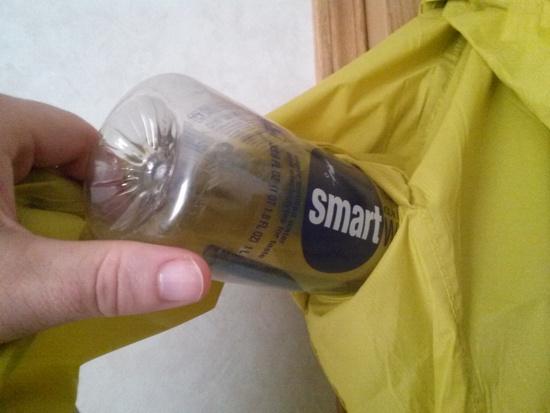
Periodically I would walk with arms raised for up to a minute to see if I could sense any ventilation through the pit vents. On this very windy day I could feel the wind enter the vents but still felt I needed to open the chest every thirty minutes or so. Some say the pit vents are small. I found that they provided adequate ventilation during testing. Does it matter how big they are if they do their job? Here is a photo to demonstrate the size. Not sure if you can tell from the photo but thats a one liter smart water bottle inserted through the pit vent.
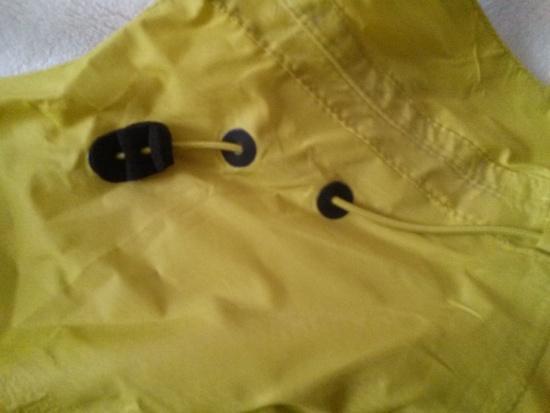
On the moderately strenuous summit section (1/2 mile)I opened the chest and the wrists to maximize ventilation. I noticed some dampness at the wrists of my base layer and the cagoule but the cagoules sleeves were long enough to pull over my hands for warmth while the fabric dried. The wrist velcro and elastic closure isnt exactly sleek but I found them to be an acceptable compromise between weight and function, same goes for the hood drawcord.
At the end of the hike I inspected the inside of the cagoule for moisture. There was some very light condensation in the hood and shoulder areas and also within the taped seams.
With the cagoule removed I immediately felt the full force of the cold wind and realized just how much wind it could block while still maintaining ventilation.
I found the breathability/ventilation and wind resistance of the cagoule to be very good. My comfort level on this hike ranged from warm to comfortably cool. With the venting options, regulating moisture and body temp was easy on this cold day.
I'll update again with natural rain testing info.