Topic

Gluten free granola

  • This topic is empty.
Viewing 18 posts - 1 through 18 (of 18 total)
Diane Pinkers BPL Member
PostedSep 16, 2014 at 3:58 pm

My most favorite GF granola will no longer be available–Apricot GF Granola from GoBites. I've often thought it shouldn't be too hard to make–ingredients are cashews, coconut oil, apricots, dried cranberries, ginger, sea salt.

I'm guessing that they used dried apricots, and chopped up the cashews to make a meal, then the coconut oil and apricot is the "glue" that keeps everything together, with cashew chunks and cranberries for texture. Then, I think it is baked, because the nuts are definitely not raw.

I've never made granola before. Does this sound like a reasonable plan? Any suggestions on temperature and time to bake it?

Bob Gross BPL Member
PostedSep 16, 2014 at 4:05 pm

Did you ever notice that they don't seem to sell Gluten Free food items in Europe. Either that means that they have zero incidence of celiac disease, or maybe that the whole Gluten Free phenomenon is generated by the marketing departments of U.S. food companies.

–B.G.–

PostedSep 16, 2014 at 5:42 pm

"Did you ever notice that they don't seem to sell Gluten Free food items in Europe."

That's pretty fascinating. Purely bullshit, of course, but fascinating.

"According to market research organisaton Euromonitor, retail value for gluten-free food in Europe increased from €814m in 2010 to €1.12bn in 2014. Meanwhile, Mintel figures show a rapid rise in gluten-free product launches over the past five years. Across Europe, launches in Spain were up 20% from 2009 to 2013, while they increased 17% in the UK, 16% in Germany, 10% in Italy and 5% in France."

http://www.foodnavigator.com/Science-Nutrition/Gluten-free-packaged-foods-benefit-newly-diagnosed-coeliacs-Study

PostedSep 16, 2014 at 5:44 pm

"I've never made granola before."

Gluten is the elastic stuff the results when two of the proteins of wheat combine during the bread making process. If you don't have wheat or it's close relatives, you won't have gluten.

MOST granola is made with rolled oats.
MOST granola is held together by the "caramelized" sugars.
MOST granola has always been "gluten free".

edit: Unless it is the stuff labeled "granola" made by General Mills,Post, Nestlé, et al.
Then all bets are off.

Diane Pinkers BPL Member
PostedSep 16, 2014 at 5:50 pm

Actually, I'm not sure that's correct, Bob. Schar is a German brand, and they bill themselves as the world's largest producer of gluten-free products. I haven't actually traveled in Europe myself, but on GF forums my understanding is that in Germany, France, Belgium products are readily available. There is a Celiac Society in Hungary. Spain it is possible to find gluten-free. Italy is apparently a challenge. So, it depends on where you go.

Granted, the whole "gluten-free" thing is a bit of a fad right now. There is a world of difference between someone who is truly celiac, and someone who is intolerant, and someone who is eating that way because some celebrity or celebrity doctor told them to. I do think that we are arrogant to think that just because the change in our food is not immediately toxic to us, that means that it is safe for long-term consumption, or that the nutrition is not substantially changed. But, that doesn't mean the same thing as being "allergic".

My allopathic doctor has asked me to re-introduce gluten into my diet for a month, so that a blood test can be done to check for celiac sprue, because that has other health consequences as well. I find that adding gluten back is not bothering me that much. Adding dairy back is a major problem, and I will be avoiding that forever. However, it appears that I can eat tortillas on the hiking trail again, at least in limited quantities, and for that I am thankful! Still won't be eating any Clif Bars, though–total gut bomb!

This gluten-free granola I just find super tasty and addictive!

Bob Gross BPL Member
PostedSep 16, 2014 at 6:14 pm

Words to live by:

Never underestimate Madison Avenue, even if it is in Europe.

–B.G.–

Kentz Willis BPL Member
PostedSep 16, 2014 at 7:10 pm

Here's the granola recipe that's been my standard breakfast for quite a few years now:
12 cups (3 lbs, 1361g) rolled oats
4 cups (300g) flaked coconut
3 cups (180g) wheat bran
3 cups (325g) ground flax
~2 cups (~300g) chopped/sliced nuts and seeds (cashews, pecans, sunflower seeds, almonds, pumpkin seeds, etc)
3/4 cup (168g) canola oil
1 1/2 cup (509g) honey
2 (scant) Tbsp (25g) vanilla

mix dry ingredients, heat oil honey, vanilla then work in to dry ingredients. bake@225F for ~120min, stirring every 30min or so

Baking time/temp is pretty flexible. higher temp=shorter baking time. i've found i prefer the crispness and browning from longer, lower temps.

Note: this is more of a cereal sort of product, definitely not the chewy-sticky type granola if that's what you're looking for. if i'm adding any dried fruits i do it after the baking is done.

ingredients in most granolas do not contain gluten but depending on production/processing facilities they may not be able to meet the FDA definition of gluten free (<20ppm). this is an important point for those with celiac, not as important for gluten sensitivities or for those joining in on the gluten-free trend.

Edit:wheat bran in my recipe is clearly not GF acceptable. Substitute oat bran or leave out if this is a concern.

Dave G BPL Member
PostedSep 17, 2014 at 3:51 am

Hi all,

As a Coeliac (from Europe as well – who'd have thought ;) I thought I should clear up a few "less than 100% true" things from this thread.

"Gluten is the protein in wheat.." true, but it's also in Barley and Rye.

"Granola has always been gluten-free" well, as traditionally it's made with oats which don't themselves contain gluten you would think so, however Oats are often grown in fields where wheat etc. was grown the season before, which leads to reseeding and therefore contamination.

Certified Gluten-free oats come from areas which are free from such contamination and are tested just to be sure.

"How much contamination could there be?" I hear you cry, well the "medically safe" level of gluten for a Coeliac is 20 parts per million, wheat has 140,000 parts per million so anything more than 1 part per 7000 is enough.

As for recipes I use this making sure to use GF Oats (I guess Bob's Red Mill would be the most available in the US – just hope Bob isn't Bob Gross :P )

http://www.nigella.com/recipes/view/andys-fairfield-granola-138

Add dried fruit to taste after baking, make sure to break up while still warm otherwise you get a giant bar which is pretty messy to deal with.

Bob, there are lots of people in wheelchairs who are merely fat/lazy, it doesn't mean you make fun of amputees… maybe think, or educate yourself before you post?

From my point of view the "Fad Gluten-free dieters" have made the food I need more available and much higher quality than when I was diagnosed 25 years ago.

Peace and enjoy your Granola,

Dave

PostedSep 17, 2014 at 6:32 am

In addition to cross contamination is that a protein in oats; avenin can cause the same reaction in some coeliacs as wheat gluten.

Ben H. BPL Member
PostedSep 17, 2014 at 8:50 am

Diane,

I think your recipe sounds reasonable, though I am not sure about the baking. Your ingredient list sounds an awful lot like no bake granola bars. Here is one from Sara K:

http://www.trailcooking.com/snacks/apricot-almond-bars/

If the nuts taste roasted… they probably are… and then added to the mix. Of course, I don't know what texture the product you are emulating has. Baking it could caramelize the sugar, making it a bit crispy. If you bake it, make sure you line the pan (I prefer parchment, but sil pad would probably work). Cooled granola really sticks to pans, and your recipe has a lot of sugar to caramelize.

Bob Gross BPL Member
PostedSep 17, 2014 at 10:02 am

A close friend spends summers in Europe and claimed that there is very little or no gluten free food sold there, at least compared to the U.S.

–B.G.–

Ben BPL Member
PostedSep 18, 2014 at 3:13 am

I have a friend who has Coeliac Disease, from what she's told me, companies have to pay to get certification to label their product Gluten free, which is passed on to the consumer with interest. Just because products aren't labeled gluten free doesn't mean they have gluten. I guess with ecperience, you can look at the ingredients list and get a pretty quick answer as to whether items are gluten free and save money in the process?

Benen

PostedSep 18, 2014 at 8:11 am

Euro food is labeled considerably different than US food is. If anything, our "Nanny State" here tells a lot more – often voluntarily – than Euro brands do. For example, in the US, food must be labeled if it contains the top 8 allergens. That means if a food contains wheat, it must highlight it at minimun. Better companies have a list at the end stating something like "This product contains x, x and x." And "Made in a facility where peanuts, gluten and hazelnuts are handled"

Gluten free certification is done like organic is – a third party trusted verification.

We have it very good in the US to say the least.

When I buy food for my youngest son, I have to read everything closely. He doesn't eat much imported food due to this (I do though!) My son cannot eat anything containing peanuts, tree nuts (particularly cashews), eggs and should avoid wheat and dairy (they cause severe skin rashes/eczema). So yeah, I am fine with a nanny food state – being able to buy certified gluten-free food is a good thing (but just because it says GF free doesn't mean I can buy it after all! – I have to be very careful, as GF foods often contain eggs as a binder). And yes, none of this is "imaginary" – he has had allergy panels by real doctors. Allergies to wheat are a real thing.

PostedSep 20, 2014 at 4:58 pm

There are over 200,000 celiacs in Italy , some quote that the real number is about half a million.
All you need to do when you go to eat in an Italian restaurant is to say "io sono celiaco" ( I am celiac/gluten free will be understood by most too…) and they will take care of it.
Italian Celiacs get a monthly allowance from the state (about $130)and commonly gluten free food is sold by chemist shops (farmacie) the same way supermarkets do in their gluten free areas.
( a friend of mine is celiac and a very good cook at the same time. You would not know that you are eating gluten free meals. Several of her ingredients come from Italy. )
So if anything , as long as you know what to do and where to look, Italy is one of the easiest countries to visit if you are gluten intolerant.
To add.
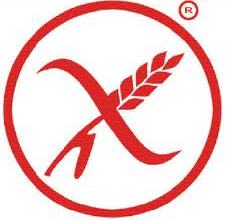
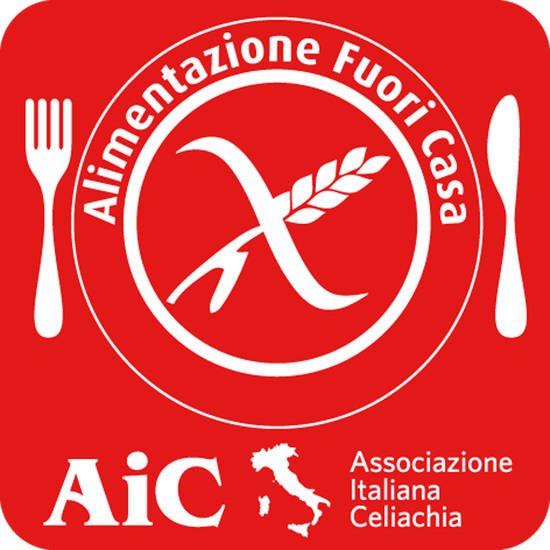
here is a list from the Italian Celiac Association with the products that are sold in Italy using their glutenfree symbol
http://www.celiachia.it/DIETA/ElencoProdottiMarchio.aspx?SS=176&M=858
Note that the German brand Schar has the lion share , their products are available from the Coop shops , probably the largest supermarket chain in Italy.
Coop also sell their own line of gluten free pasta, biscuits and flour
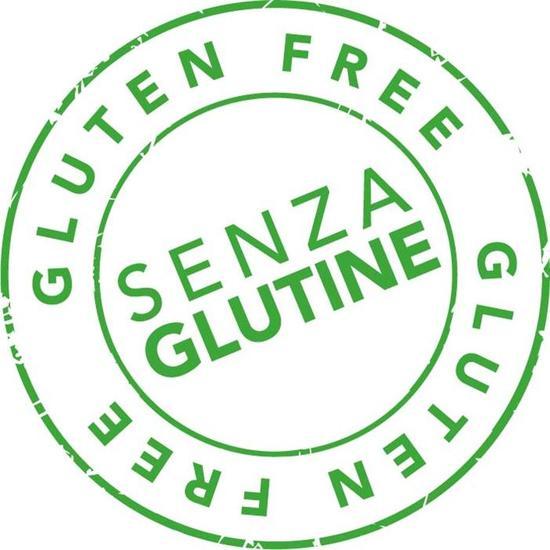
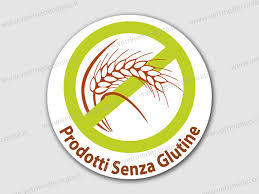
look for :
senza glutine
senza glutine 2
senza glutine 3
senza glutine 4

Viewing 18 posts - 1 through 18 (of 18 total)
Loading...