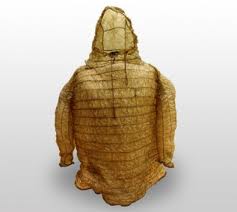
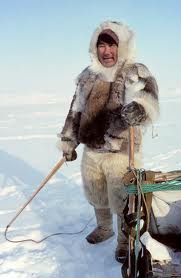
Here are my answers to a "time machine" early 1800s backpacking situation.
PACK-> single bag, drawstring top, compression corded sides and front removable top compartment/fanny pack,
*linen/cotton canvas, 50/50 weave treated with wax and whale oil "proofing"
*two flat, 1/4" thick X 1 1/4" wide hickory internal frame stays steam bent to my back contour and covered with heavy webbing to hold tehm in place.
*waistbelt of linen greycloth covering 1/2" thick felt W/ steel sliding clasp buckle and woven webbing center belt
*woven webbing shoulder adjustment straps (using steel ladder buckles) attatched to 1/2" thick linen covered felt tapered over-shoulder straps
*leather reinforcements on wear and stress points as necessary.
Tent-> 10" X10" very tightly woven COTTON light canvas W/ 12 hand stitched edge grommets, 8 linen tie-outs sewn to tarp in grid pattern. "oilcloth" treatment as in pack. Same cloth for 8' X 5' groundcloth
SLEEP SYSTEM->sewn-thru quilted silk covered goose down mummy bag W/ overlap 1/2 length button closure
Quilted (light linen W/ horsehair stuffing) 1/2" thick, 3/4 length "matress"
KITCHEN-> tin or copper Caldera Cone type "stove" W/matching copper 3 cup pot & lid
BOOTS-> individually lasted (R&L feet) over-the-ankle, lace-up
Maybe:
> 2 thin hickory walking sticks
> muslin head net and linen work gloves
> felt wide brimmed hat, "proofed" with a beeswax & whale oil mix as with tent
As you may guess I've given some thought to this setup over the years. I guess being a history teacher and Revolutionar War regimental re-enactor (drummer) is the motive.
Rev War pack top flaps were painted with red lead paint for more waterproofing.