In Canada, we’ve progressed to a stage where manufacturers are only going to be allowed to *continue* using BPA if they prove that it isn’t getting into humans. It’s one of 200 chemicals that are on a Federal “toxic most-wanted” list.
The only articles I could find on Snopes talked about DEHA and other carcinogenic *plasticizers*. These do not “reactivate” when heated and are of no danger to human health in the finished product.
BPA, however, is a (currently) legal and approved substance that’s widely used in food packaging and other industries. However, just because it’s currently legal for sale doesn’t make it safe. Consider Tobacco, Thalidomide, and more recently Teflon: these are products that only stayed/stay legal because of intense and very high-dollar industry lobbying. Many recent peer-reviewed studies have found BPA to behave like estrogen and also to be a carcinogen, and Europe and Canada have both declared it to be toxic and dangerous to human health.
Snopes doesn’t seem to address the presence or effects of BPA, but then again BPA probably isn’t an urban legend. Just because it’s considered safe and legal by the FDA doesn’t make it safe: American milk, for instance, is illegal in Europe and Canada because of what’s in it, and yet they let 300MM Americans drink it. :( Chalk it up to the billionnaire lobbyists, if you like.
As for the practical fact that we’re all exposed to BPA all the time, (for now,) it’s true. But as I posted, heating and abrading plastics will release more BPA into your food. Life’s a risk; everything’s a risk. But some people choose not to cook in or eat out of plastic until manufacturers switch to a BPA alternative.
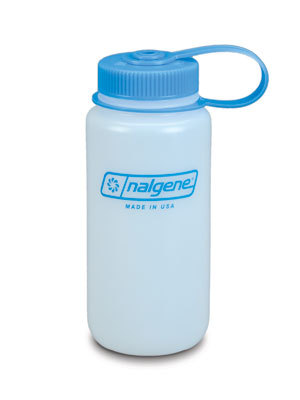
Ever wonder why Nalgene still makes the old-style non-lexan bottles that leave a taste in the water and taste like soap after you wash them? The BPA in Lexan.
EDIT: PS I don’t mean to spread FUD; here’s the article that originally opened my eyes.