I have long understood what a sail makers yard is. I had a small sailboat for many years and even made a few of my own sails. They weren’t great but worked and I really surprised some friends that had boats like mine one day when I put up a Spinnaker that I had made. It worked but almost to well.
When I get a sample of fabric such as the 4 that I got from Cuben I calculate the square inches then weigh the sample on my Ohaus Triple Beam Scale. Then I can determine the weight of a 36″ by 36″ square yard. This is the only way I do it.
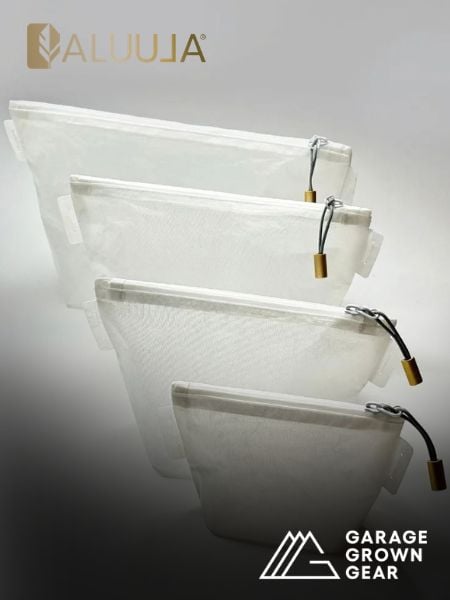
The lightest sample I got from Cuben was .29oz per sq yard. This is my calculation not Cubens. I got a 5′ by 4′ piece and made my first Pack Bag out of it. It seems that the lightest they have to sell at this time is the .40oz per stuff. I have 9 yards of that.
The fact that you found the material “unsuitable due to stitching and seam hole creap under any stress, ie. wind flapping” I found amusing.
This is where the science of engineering or cleverness comes into play. Just because you can’t figure out how to make something work doesn’t mean someone else can’t.
In my pre-prototype research I consulated a sail maker who uses the Cuben material. I have followed his suggestions since sails for really big boats are made out of this stuff all the time. What ever I make out of my Cuben fabric I don’t think it will ever be stressed like a sail underway in a strong wind. My construction strategy is sure to be different than yours and mine considers the whole of the item in the planning.
The high cost of this material NO, If you are making your own gear the cost of the material vs buying the item is not really a factor. My G6 pack cost X dollars and the pack I made simular to it cost much less in material alone. My labor is not a factor as I am doing this only for myself. I have a lot of the “proven standard” .96 – .97oz stuff and may never use it again.