The terminology used in fire bans could really use standardization.
Exceptions can be:
Stove must have an on/off switch.
Stoves that use LNG fuel. (No white gas? What about Isobutane?)
Stoves that use liquid fuel. (They don't mean alky stoves.)
Stoves that are (Ul or fire) underwriter approved.
Stoves that use petroleum fuel. (What if it was a homemade and didn't have an off switch?)
And if you call to get clarification, you'll likely get a different answer depending on who you talk to at at each office, let alone other agencies.
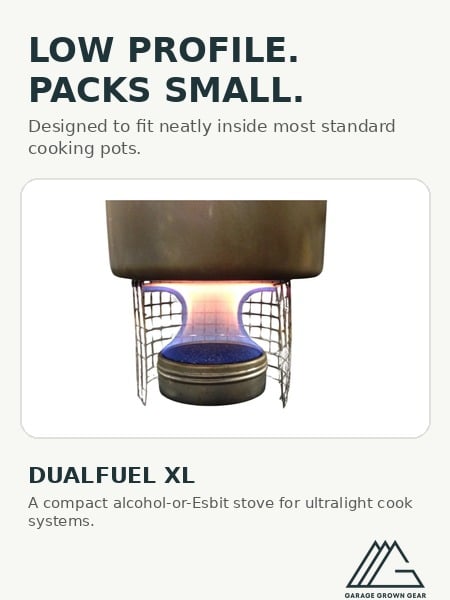
You'll have a hard time convincing me that an Esbit stove is less idiot proof than a white gas stove. I grew up with white gas stoves, both backpacking and car camping, and have seen more than few issues with white gas stoves. And a couple of the old, my stove is on fire I had better kick it away maneuvers. I only have one left, the SVEA 123 I got when I was a teenager and that's only for nostalgia sake.
Isobutane stoves are likely the safest but even with those if you've selected a poor cooking spot and knock it over, you can certainly cause a fire. Just like if you are in a large, sandy clearing, you could dump you're entire white gas bottle out and light the contents and not set anything else on fire. I just don't buy the fact that you can idiot proof the idiots.
I do agree that wood stoves should be banned during fire bans as even small fires can have embers escape. And my favorite stove is my Ti-Tri in wood mode. But I abide by the rules and end up taking a Pocket Rocket when there's a ban. Or no stove at all.