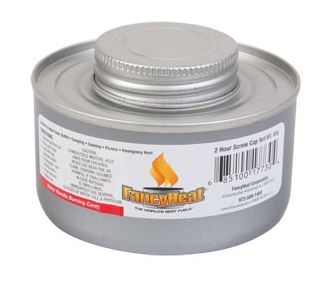
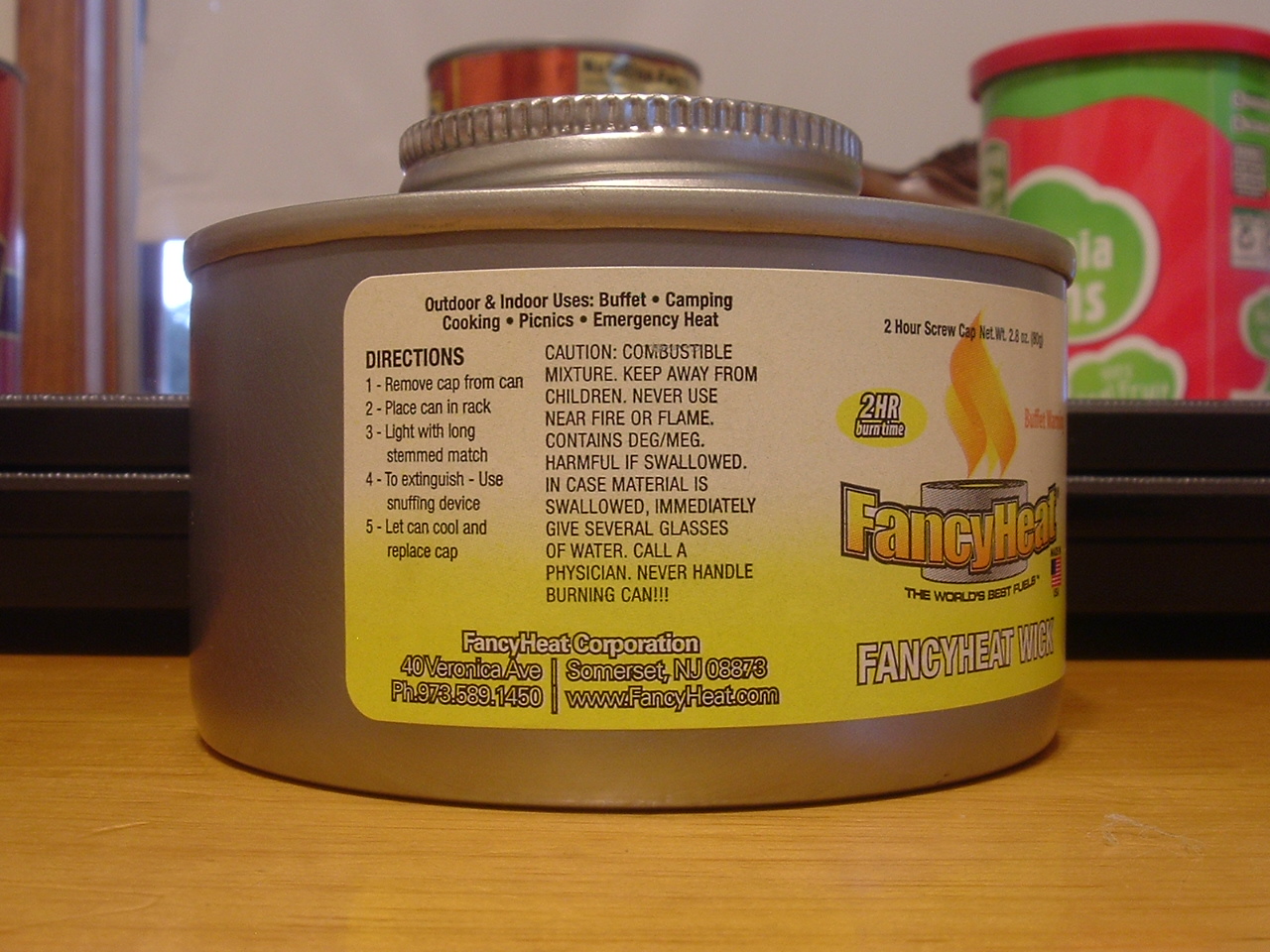
Dan, what I can’t figure out is how you manage to get the viscous gel to wick up through the fiberglass. I tried it with some Ready Fuel (diethylene glycol) that I had on hand, using a “Zelph Clone” cat can stove with a fiberglass wick (’cause I want to be like you, Dan). I first wetted the top of the wick, then squirted maybe a fluid ounce into the bottom of the can. I placed a screen, lit the gel on the top of the wick and also the main body of gel inside the can, then I put a pot of water on the stove. The gel on the wick burned weakly, then the silica covered the top of the wick and smothered the flame. This didn’t work at all. So I’m guessing that you have some secret special magic fiberglass or something that allows easy wicking.
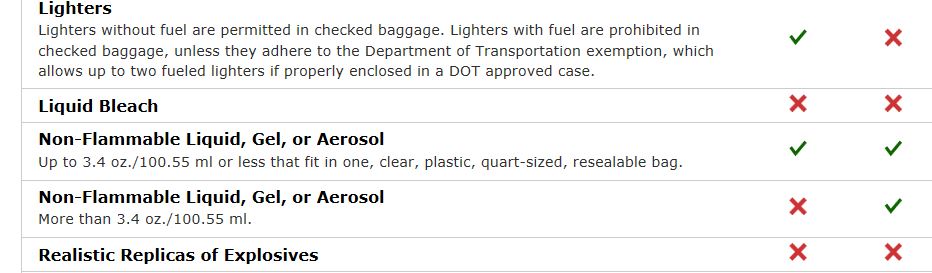
What I do know is that Ready Fuel pretty much sucks as a fuel, kinda like those fire starter disks that the young MBA student at U of Washington had us do some beta testing for her a couple of years ago. My buddy was all excited about this “new, best fuel,” so I decided to buy a couple of 4-packs of Ready Fuel to see what they would do. The biggest waste of $20 ever, and I’ve certainly wasted a few $20 bills on gear experiments over the years. I keep it around to use as a firestarter. I would put a pack of Ready Fuel on a par with a pound of petrified poodle poop (alliteratively speaking). At least I would think that TSA will let you on a plane with a bag of the latter, and it might even burn better than the gel.
But Dan, here’s what I think–I am continually impressed with the thoroughness with which you develop your stoves, and I will be watching this thread to see what you come up with regarding diethylene glycol as a stove fuel. For my part, alcohol, Esbit, and iso-butane serve me quite well, and I will use the rest of my Ready Fuel for starting campfires. When I finally run out, I’ll replace it with Sterno (cheaper).
But you are the man, Dan. If anybody can make this work to boil water, it would be you. Good luck!