the blizzard will keep you alive if you know what you are doing … the bothy IMO is nice but not strictly needed …
it goes without saying that you should bring rain gear and insulation …
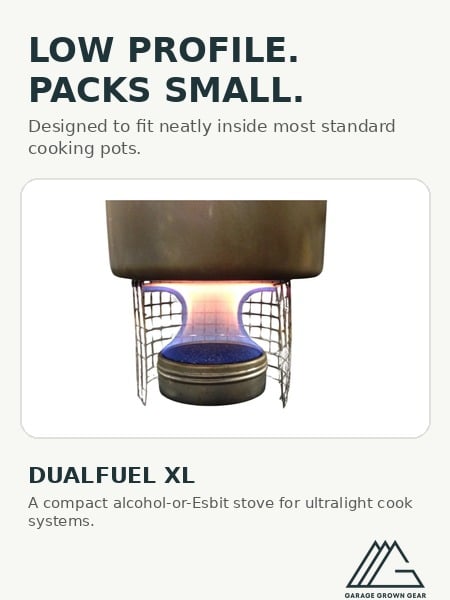
the stove is nice as well … if i recall there have been at least one incident where climbers would likely have survived if they had a stove to melt water … and of course with a nalgene you can treat hypothermia with the bag
there is a fine line between overpacking the kitchen sink … and bringing what you need …
for example do you really need a shovel unless you are in avalanche territory … snowshoes can make an improvised shovel, at the tree line, tree wells (dont fall in !!!) are a well known shelter option …
learn how to start a fire under winter conditions, that is your best defense … make sure you know how to signal to rescuers (those god awful colors BPLers hate) … make a bed with branches, your rope, your pack, etc … dig a hole or trench to keep you out of the wind
having the right gear will help you … but again, the most important things are knowledge, practiced skills and the will to live
i suggest that once a year you go out in poor conditions a short walk from the car, and try to set up for the night using what you would normally bring on a day hike
this will tell you very quickly what gear and skills you fall short in …
and read the rescue articles as well … for example there was some old tough korean man who survived on mount rainier last year by burning dollar bills … recently there was a man who survived in the north shore mountains here by peeing in a ziplock bag and using the heat like a hot water bottle to keep him warm …
hopefully you dont have to resort to such things, but knowing what to do prevents panic
one thing few people mention is that surviving is ANTICIPATING … at a certain point youre likely safer saying "eff it im lost, im going into survival mode" …. this preserves some energy for setting up your shelter, collecting wood, being where SAR is likely to find you, etc … youll see in articles where people have tried to keep on wandering, wasted their energy, led SAR on a wild goose chase and suffered as a result …
you should also learn to recognize and anticipate the signs of hypothermia in yourself and others before they get serious or affect your judgement
again … skills …