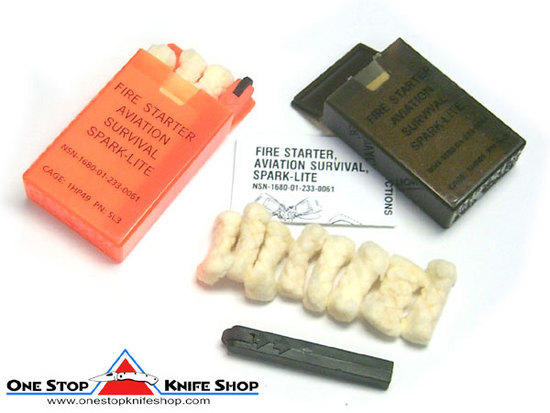
I just got a bushbuddy and a FireLite starting kit this week. I live in northern California next to a town called Suisun (pronounced Sue-Soon) a Patwin Indian word for west wind. I think it really means stove testing hell. I actually burned up an aluminum wind screen once on a beer can stove when a 30 mph gust turned my stove into a blowtorch. 10-20 mph winds are the norm around here. It's said the bushbuddy doesn't like windy conditions so I was curious how it would perform here. I gathered some twigs and sticks from the tree in my front yard and went to a sheltered spot in my backyard, wind about 5-10 mph with gusts. I grabbed a Vargo titanium mug (750 ml) I'd bought on this site and filled it with water.
I'd read about problems with getting the spark to the tinder and thought I had a great solution. I placed a pile of small twigs on the grate and then placed a twig on the top of the burner near the edge and place a Tinder-Quik tab on the edge of the stove and the twig. My plan was to ignite the tab where it was accessible and push it onto the kindling when it ignited. It was soon obvious the wind made this a practical impossibility. Finally I picked up the tab, held it against the bottom of the striker with my fore finger, struck the steel and voila, flame. I was trying a half piece of starter tab since I was using very dry wood. I had fluffed it up quite a bit. I dropped it onto the grate of the bushbuddy where, in strict accordance with Murphy's Law, it landed as far away from the kindling as such a small space allowed. As I frantically tried to get twigs on top of it the flame extinguished itself. Lesson one, there's a chemical coating on the starter tabs, some sort of nitrate I suppose, that the sparks start. Don't fluff it up too much or you'll have less time to build a fire. On my second try I used a whole tab, unfluffed, and kept my kindling to the side of the stove. The tab ignited on the third strike. There's a crackling sound it makes just before it bursts into flame. I dropped it onto the grate and placed the kindling where it actually landed, not where I thought it would land. It took about 4 minutes to build up a fire to finger sized sticks and get flames out of the holes on top. At that point I put the water on.
It took 14 minutes to bring the mug to a boil. It required a lot of attention and feeding. I gradually moved to thumb sized pieces of wood which seemed to speed up the process. The wind prevented about a third of the top holes from ever igniting, even when I was directly in front of it acting as a secondary shield. I haven't tried the stove under windless conditions, I'm guessing more fuel was required as a result of the "bellows" effect of the wind. If you know the bushbuddy will be used under windy conditions I'd plan on a third more fuel and 40% more cooking time. YMMV. What was most impressive about the stove was that it didn't blow out in the wind like my alcohol stoves. I agree with others, the geek factor, fire, flint and steel,form and function, I love this stove.
Richard
Oh yeah, I'm cross posting this under Firestarting with Firesteel since I don't see Gerald Magnes on this forum and it seems to relate to his question. I read the forum policies and didn't see where this is forbidden. If I missed the rule my apologies for the cross post.