Finally read that, thanks eric
couple main points:
"Long gone are the days of bad fabrics and good fabrics. The differences between them are now small, both in the lab and in real use. More important is design, fit, price and environmental impact."
and:
"To get the best possible performance from your waterproof gear there are some basic steps you can take:
• Only wear your waterproofs when it's raining hard. If it's windy then a decent windproof will do the job. Don't wear a hardshell when you're above the cloud line.
• Open the zips! Mountain Hardwear put out a bizarre video about a year ago that claimed that opening pit zips makes you sweatier. That's clearly not true. The argument was that fabrics breathe better when there is a high level of moisture vapour inside the jacket, and that opening zips inhibits this. That is all true. However, if the openings in the jacket are effectively getting rid of the moisture vapour, then you remain comfortable and the fabric doesn't have to work so hard.
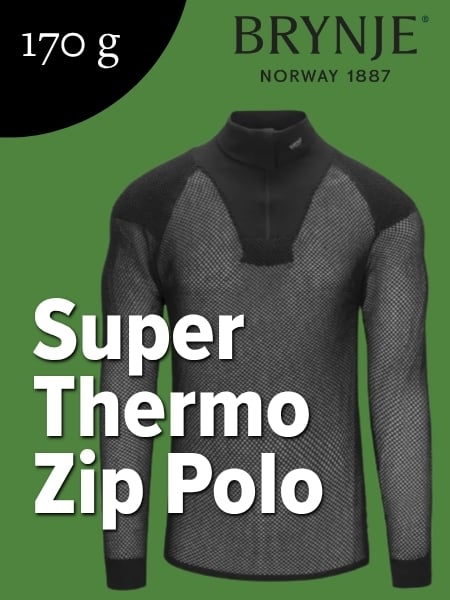
• Check your other layers. It's so easy to worry about your waterproof one, yet the crucial ones are the ones next to your skin. That's where comfort matters, not on the inside of your shell.
• If you feel like you're too hot then take some clothing off. It is obvious, but a shell can add a lot to your insulation. Mark Twight outlines his approach in his book Extreme Alpinism and it's simple: wear little under your shell so you're cool when you stop. If you're cold while moving then climb faster! Don't leave the car park wearing four layers so that in ten minutes you melt and have to stop to take some off.
• Look after your clothing: wash it when it needs it and don't leave it to rot in the bottom of a pack. Don't wear it every day of the week then expect it to last ten years; instead save your best kit for when you need it most."
I disagree with their first point – no seperate waterproof and windproof garments – extra weight, not U.L. – not needed