


"But the *real* solution is a hammock."

So, how do I hang it?
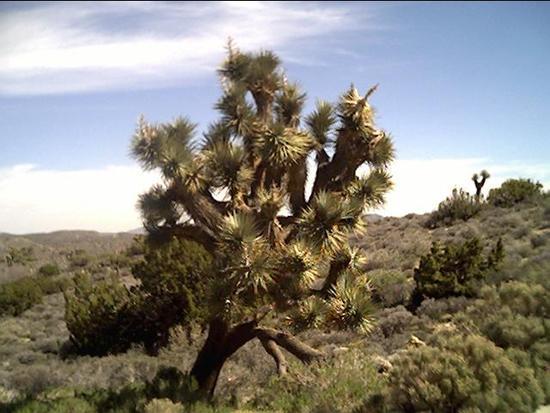
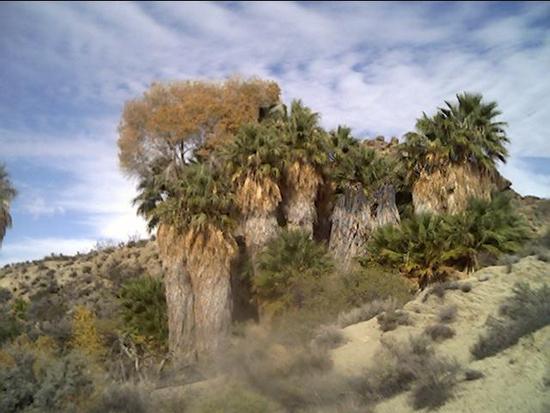
Oh, wait a minute, you said trees…. will these work?

;)
Topic
Become a member to post in the forums.
"But the *real* solution is a hammock."
So, how do I hang it?
Oh, wait a minute, you said trees…. will these work?
;)
Along the lines of sleeping at home more like you would in the field, this may be of interest:
http://www.ncbi.nlm.nih.gov/pmc/articles/PMC1119282/
Of course, less-adventuresome partners may object to ditching pillows, sleeping on floors, leaving windows open, etc.
There's also some evidence that frequent interruptions during sleep are the evolutionary norm rather than the uninterrupted sleep most of us experience now. Personally, I've found that I awake just as refreshed, if not more so, when my sleep is interspersed with regular bouts of wakefulness (anything from adjusting my sleep position to an hour or so of checking out the nightlife around camp). The key is to not stress over the fact that you aren't sleeping.

I was just reading somewhere that it used to be normal to sleep for 4 hours, be awake for an hour or two, then sleep for another 4 hours.
When I'm not sleeping I listen to night noises, very interesting.
Interesting article. The pictures are how I sleep on my side. The past few trips I have taken a Kooka Bay air pillow. It is too high and I only fill it 1/2 way with air. On my last trip it blew away, and I just slept on my arm.
As to Jerry's comment, as I get older I need less sleep. So during long winter nights I wake up in about 4 hours. And I watch stars, go pee, etc. Then after an hour or two, go back to sleep. This means I am comfortable and getting quality sleep. If I wake every hour or two, then I am not sleeping well… probably because my hip gets sore. The position of a bent leg has fixed that issue.
"But the *real* solution is a hammock."
Just goes to show how much we take our own environments for granted…
My first year backpacking, I started out in the semi-arid West, naturally. Packing EVERYTHING out — including TP's — made perfect sense as even "biodegradable" paper can last years out in the desert.
My first hike in the East (Savage Gorge, TN) — I was TOTALLY AMAZED that people could just build fires and burn all their trash! WOW!! Nothing to carry out. And water everywhere too!! Fell completely in love with the eastern forest!
But back to topic, yeah, there are many places out here in the PSW where hammocks are simply out of the question! Fact is, I've never crawled into one — although I would like to try it out someday…

"Fact is, I've never crawled into one — although I would like to try it out someday…"
Make sure you take someone soft and cuddly along when you do. Nothing quite like it. And you WILL sleep better, guaranteed. ;)
Down in southern Mexico they actually make an extra large hammock called "el matrimonial" for this specific situation.
Hike hard — being tired helps a lot! :-)
If I'm not sleeping I don't worry about it, I can walk pretty well when short on sleep and then likely I'll sleep well the next night.
What really helps me is switching to the "rythm" of being outdoors — waking with the dawn, that sort of thing. When adjusted and in a daily routine, I sleep better outdoors than I do in my bed at home. Certainly tylenol PM or benedryl or whatever can help in the adjustment the first 2 – 3 days out.
And … a solo tent. Unless with a spouse or other S.O., I strongly suggest having your own space rather than sharing a 2- or N-person tent with others if getting a good night's sleep is an issue for you. Distance is IMO better than earplugs.
Last time I went out I brought 2 down quilts. I laid one across me cross-wise so that it covered mostly my torso. I have a hard time sleeping if I am cold, even at home, but I will often fall right asleep, even at 8pm, if I'm feeling really warm. Having two quilts made me as warm as I am at home plus there were absolutely no drafts when I rolled around. From now on I'm leaving the down jacket home and using 2 quilts, the extra one being a JRB wearable quilt.
I went through the typical foam pad to air pad transition, and now I'm back to the foam pad. When I first started backpacking, I had the typical Wally World blue pad and always tossed and turned from the soreness at night. Added a Z-lite thinking 2 pads are better than 1 right? Nope. Switched to an Big Agnes Air Core which helped with the soreness. Slept cold on several trips and thought I was a cold sleeper, when it was really the pad. Ended up buying a Synmat UL7 and all was well. Then on some recent trips I was waking up really sore on the Synmat, so I tried a 1/2" Big 5 foam pad I bought for colder trips, and I was waking up feeling better on the foam pad than the air pad. I'll probably do a couple more trips and testing before getting rid of the Synmat.
i'm a side sleeper and toss about a bit in the night. here are my tricks to getting sleep:
1 – gotta have a decent pillow/head support setup. i use a Cocoon inflatable pillow and my backpack as a prop.
2 – i use a 1.5" full length self inflating pad. sure it's 26 ounces, but my hips, knees and ankles thank me.
3 – i wear silk base layer pants – keeps my legs from getting that damp feeling when they touch
4 – stocking hat with built-in headphones. i listen to very repetitive ambient electronic music and it helps to minimize the loud snoring from other campers or those active nocturnal animals that seem to congregate right next to my tent.
5 – being tired when it's bedtime. at home i stay up until 1am or later and am up at 6am for work. this doesn't translate well to the backcountry so i make sure i put in a good day's effort so i'm tired and not long of this world when i crawl into my bag at 10pm.
the first night i will wake up several times and toss about. by the third night i'm getting a good amount of sleep and wake up feeling recharged.
I used to have a very difficult time falling asleep even at home in my bed, and it was worse when camping, especially when it was hot out. I started trying sleep aids and found one called Calms Forte that is all natural and works better than anything else I tried. Take 3 of them and you will be out and sleep great, without being groggy the next day or needing it to fall asleep.
Over the counter sleeping pills, ear plugs and a pillow (a water-wing floatation device works nice). Can't stand swarms of mosquitos buzzing inches from my head, even if I know they can't get me. A pillow adds a ton of comfort. I have a really hard time falling asleep, even after an exhausting day, so sleeping pills are helpful to get to sleep at a reasonable hour. They're also helpful at overcoming minor discomforts that can keep you up.
First, regarding earplugs.
Is it such a good idea to NOT be able to hear what is going on around you?
Second, military service.
Is sleeping in a Huey louder than under (approximately) 140 mm towed field artillery that is throwing rounds down range? Likely the point is the same :)
Last, comfort.
Desperately wanted to be able to sleep on a Z pad, but it looks like it isn't comfortable enough (padded enough). Is there a change in techniques anyone has found useful? Which of the air mattresses would you recommend (which forum/product review is recommended)?
Night time sounds really used to bother me. I think what really helped me get over that was setting up very early a few times and getting to see what made all those sounds.
I also accepted that the critters out there didn't want anything to do with me, that is, so long as I stored my food far away.
Having a little reading material seems to help, probably because that's what I do at home.
EARPLUGS!!! Totally changed my ability to sleep when camping.
I'm a light sleeper. Regular noises I can get used to, like trains, aquarium filters, fans, dogs barking, etc. But as soon as a new noise is introduced or familiar one is taken away, I wake up wide awake and it takes a while to fall back asleep. I once woke up when the power went out and the aquarium filter stopped running.
So, when camping, even though the noises don't bother/scare me, they still wake me up because I'm not used to leaves/needles falling on my tent, mice/birds scurrying around, wind in the trees or against my tent, etc. If I slept outdoors everyday, they wouldn't be a problem, but I don't…
Regarding pillow's: If you use a water bladder, blow air back into it to inflate it to the desired firmness, then cover it with your buff, or some unworn piece of clothing. Super comfy. No water bladder? clothes in a stuff sack are the next best thing to me.

+1 on Earplugs
"Regarding pillow's: If you use a water bladder, blow air back into it to inflate it to the desired firmness, then cover it with your buff, or some unworn piece of clothing. Super comfy."
That's a stellar suggestion and yet another use for a Buff :)
I find that the number one important thing for me is to not try to fall asleep or be concerned with how much sleep i get. If you try to force yourself to sleep it won't happen. you dont NEED a full nights sleep to function the next day or even walk 16 miles
also I agree with the previous comment that getting up at night halfway through sleep is beneficial. you can check out the stars, unfamiliar noises, pee, drink a bit of water and then settle back in bed.
I find that if i think of a story or narrative in my head it helps get me into sleep mode as well as reading a book (same concept).
A comfy mattress is key to me. havent tried a foam mattress, and probably won't for good reason.
the thing is though, everyone is different. your gonna have to find what works best for you. but benedryl sure doesnt hurt ;)
I sleep so good when backpacking, but I have spent a lot of time outdoors. I always sleep like a baby. I am up and down with the sun, and just hike all day. I am usually tired when I lay down, and simply fall asleep. At home occasionally I will have something in my head that keeps me up, and I find concentrating on a black void of nothingness puts me out pretty quickly. Try it.
Ben,
I've noticed the altitude usually bothers me more than I think it will. Living in Nebraska, my default location to camp & hike has been Colorado (RMNP to be specific). The altitude change has always bothered my sleep during the first night or two. I've even had altitude sickness when I attempted a 14er after my first night at basecamp elevation.
When time permits, my recent trips have tried to allow for some altitude adjustment time for at least the first day to day and a half where I don't do any major hikes or additional significant elevation gain from my first night sleeping altitude. That has also helped me but it's not always possible.
I think you're on the right track with trying a wider sleeping pad too. There have been some other great suggestions in this thread that you might want to try. I'm sure you'll have the process figured out soon.
Good luck!
If I sweat a lot while hiking and don't replace the salt/electrolytes, I have a terrible time sleeping, even at home in my regular bed.
For years, I thought my problem was dehydration, so I drank lots more water. That made things worse – not only did I have to pee several times per night, the extra water was taking more salt out of my system.
Now I make sure to take salty foods on the trail, and add electrolyte capsules (SaltStick Caps Plus) for hot weather. Makes a big difference for me!
Some nights I can't sleep from the aches and pains of being out-of-shape. If it's bad enough, I'll take plain Tylenol.
I don't want to take antiprostaglandins (aspirin, ibuprofen, and naproxen). Prostaglandins cause pain, but they also signal your muscles to get stronger – "no pain, no gain" is true for me. Tylenol (acetaminophen, paracetamol) is not an antiprostaglandin.
Some people like Advil PM or Tylenol PM to help sleep. The "PM" is Benadryl (diphenhydramine), which makes most people sleepy. Not me, Benadryl keeps me awake at night.
I can't sleep on thin foam pads any more. Short Therm-A-Rest 40th Anniversary Edition pad works for me, and it's much warmer.
Become a member to post in the forums.
 Creamy Dijon ChickenCook-in-the-bag chicken, tarragon, and rice backcountry meal with 2 servings. Net weight 5.7oz | 162g
 © Beartooth Media Group Inc.
 Loading...