Bob,
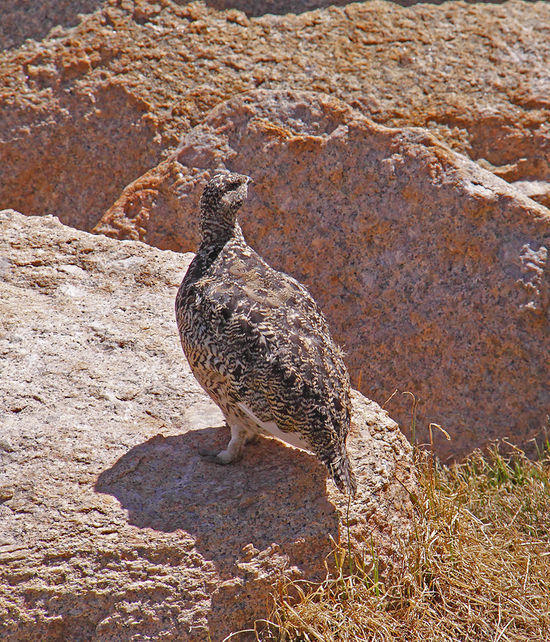
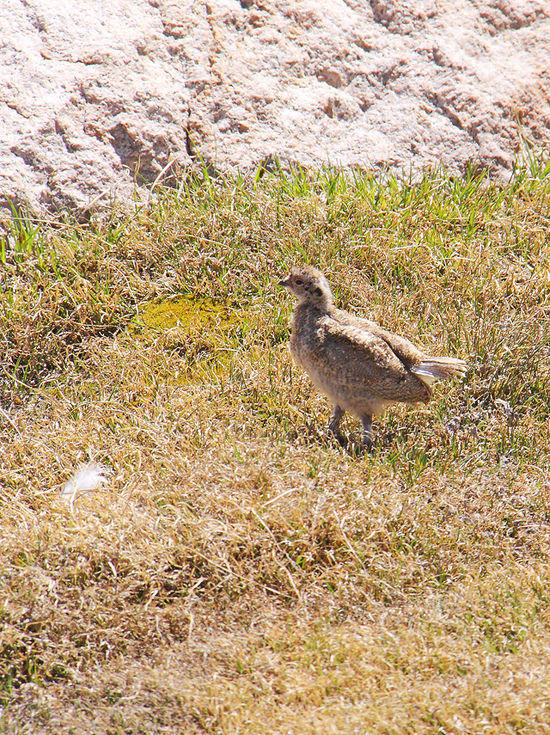
I have assembled a lightweight, tack-driving .22 pistol (equipped with a lightweight scope that does double-duty as a monocular, and a suppressor that minimizes noise pollution and keeps my pansy dog from freaking out) which I take into the backcountry with me quite often. It's an excellent tool for harvesting small game birds; it provides me with extremely reliable shot placement, giving the creatures I harvest the most humane death possible (instantaneous destruction of the brain), and leaves a very nice, clean, un-tainted carcass with which to work. It's really quite nice. Anyway, although I often spit-roast these meals over hardwood embers, I have prepared them in the backcountry in a more "civilized" manner before:
First, I season the meat ("seasoning" properly refers exclusively to salt, not to other herbs and spices). Then, I lube the pan with a little oil (single-serving packets can be had at places like Subway) and sear the meat over high heat. I'm careful to get lots and lots of color on there; deep caramelization is where flavor complexity comes from. Then, I remove the meat from the pan, let the pan cool for a bit, then add several packets of "Chopped Onions" I liberated from a store selling hot dogs (truck stops and convenience stores are a good source). next, I add a bit more oil, then gently caramelize the onions to a nice, deep, mahogany-eque color before adding a bit of liquid (wine, liquor, water, whatever you fancy) to the pan, scraping off the bottom any browned bits (called "fond") that may have stuck there. Once I'm done "deglazing" my pan, as it's called, I return the browned meat to the pan, along with whatever else tickles my fancy; beans, rice, fresh or dried veggies, foraged edibles (I quite enjoy cattails), et cetera. I add a quantity of water sufficient to cook/rehydrate the pot's contents, add whatever herbs or spices I've selected, and simmer the whole thing over low heat 'till everything is cooked. Then I eat it with a little bread; maybe some freshly-baked bannock, maybe hardtack (whole wheat Wasa "crispbread" makes me happy).
Tips
1) The amount of water, and the size of the pieces in the pot determines if the finished dish is a soup, a stew, or "something else." Whichever route you go, it will all be tasty!
2) If you want to make a stew, it helps to add a little crumbled bread, or cracker crumbs to thicken the cooking liquid. If you are using dehydrated ingredients (rice, beans, veggies, et cetera), do this towards the end of the cooking time, lest the ingredients not rehydrate fully.
3) I generally prefer to make a stew because it seems to "stick to your ribs" a bit better than a soup. And on cold nights, stews seem to keep me warmer, longer (although, I'll freely admit that this effect could well be psychological).
4) Just like poultry, overcooking game birds can yield tough, stringy meat, and most people have a propensity for overcooking. If you are using a dry cooking method, the key is to do it fast, and hot. Wet cooking methods (like braising, for example) are more forgiving, due to their lower temperatures. Remember: creatures like grouse and quail are very small, and it doesn't take much go from from "done" to "overdone."
5) The delicious smell if this "recipe" seems to carry even farther than the more pedestrian backpacking meals (like freezer bag rehydration, et cetera), so do your cooking well away from your sleeping site if you are in bear country. Even if you aren't in bear country, you might consider cooking away from your sleeping site if you don't have a canine companion to ward off the smaller animals that the aroma will attract after sundown.