


Hi. I have looked at several jackets made from Windstopper but am thinking that a fleece jacket (of equal weight) would be warmer. I can use my Gortex jacket to keep the wind out. Any advice would be appreciated.
Topic
Become a member to post in the forums.
Hi. I have looked at several jackets made from Windstopper but am thinking that a fleece jacket (of equal weight) would be warmer. I can use my Gortex jacket to keep the wind out. Any advice would be appreciated.

I think of it this way:
Fleece: light, soft, good for a slight chill used alone or nicely warm under a windshirt or rain shell. Comfortable to sleep in too. And I’ve leaned towards vests. It would need to be pretty cold before I would want a full fleece jacket under my rain coat.
Windstopper: more stand alone “soft shell” use. More for day hikes in my use. Not as breathable, stiffer, less compressible. And a lot more expensive.
I concur with the previous post.
I’ve got standard fleece jackets, a Marmot DriClime “windshirt” and a Windstopper jacket. The Marmot windshirt is more windproof, cozy as hell with a micro-fleece lining, and is an amazing combo with a waterproof shell for rain and/or extreme wind protection…and weighs 1/3 less than the Windstopper jacket. I do find Windstopper great, but as a single layer for short duration activities, and not as versatile as other alternatives when carefully choosing a backpacking clothing system.
>I have looked at several jackets made from Windstopper but am thinking that a fleece jacket (of equal weight) would be warmer. I can use my Gortex jacket to keep the wind out.
I agree with your thought. If you’re carrying Goretex anyway, you might as well use that to stop the wind and not carry the redundant weight of windstopper. You also have better breathability in the fleece alone and can take advantage of that if it isn’t too cold/windy. It works for me.
Many thanks, you have confirmed what I was suspecting. I cannot see where a windstopper jacket fits into the layering concept, it ain’t waterproof like a gortex shell, and ain’t as warm as fleece. So for extended trips it would be a lot of weight and bulk for little gain. Now the hunt for the ideal warm jacket begins . . . .
Ideal fleece jacket?
I like 200 weight. Lighter stuff is better in a long sleeve shirt form. 300 weight might as well be something like a Patagonia Micro Puff synthetic fill type jacket– better loft to weight, compressibility, etc.
I have an LL Bean pull-over fleece that I like a lot. You’ll find all kinds of inexpensive 200 weight fleece. I like jacket style with a full zipper but many designs are too long and bulky. Pullovers tend to be trimmer and lighter. Try a fleece vest with your rain jacket– it will keep you very warm.
The chess game is getting your base layers, mid layers and shells all coordinated. I’m using long sleeve polyester shirt base with a synthetic vest and a windshirt. If it is going to be colder, a 100 weight long sleeve shirt can be used alone or with the base layer shirt. Colder yet and the vest gets swapped for a insulated jacket. A nice side effect is that most of these are are comfortable for sleeping in too.
I have a TNF Windstopper fleece jacket that is now relegated to around town use. It would be perfect for that if it weren’t for my yellow Lab :). I don’t know what I think about fleece in general. I am open to the idea. My current system has no fleece. I use a Smartwool Shadow’s Hoody, a Patagonia Houdini windshirt, a Montbell Thermawrap vest, and a rain poncho. If things get totally out of hand I have a No Sniveller quilt. This is for 3 seasons in the Colorado Rockies. Fleece could be substituted for my vest, but my vest weighs 6 oz. Fleece could make sense in the spring and fall for me, but I plan on buying an Ibex Hooded Shak for that. I am partial to wool. It helps now that they are making fleece out of recycled plastic.
A couple of years ago, I ditched my 200 wt fleece for a DriClime windshirt and have never missed the fleece – the windshirt is lighter than the fleece, but, more importantly, it is much less bulky, which was the main issue I was having with the fleece. Wrapped over my clothing stuffsack, fleece side out, the windshirt makes a nice pillow cover; it’s also quite nice to sleep in.
The next year, I got rid of my rainsuit and began carrying an umbrella and a silnylon poncho-tarp. The umbrella plus windshirt work for most rainy conditions; I use the poncho when it really pours, or rains all day. And I can also use the poncho as a tarp for cooking, etc. (I still use a one-man tent for shelter).
Windstopper fleece doesn’t make sense to me. If you want to solve fleece’s problem with wind permeability, the obvious solution is to put a wind-resistant layer on the outside of the fleece, but that’s not what Windstopper does. The wind-proof membrane is in the middle, so that in heavy winds the outer fleece layer is of little or no benefit.
That’s one reason I don’t like the wind-proof fleeces. They’re also less versatile than a combination of fleece and wind-resistant jacket, since the latter allows you to wear either layer alone, depending on the conditions. I’ve read the Windstopper’s breathability isn’t that great, and that it dries more slowly than regular fleece. Windstopper is also incredibly expensive and, personally, I find it stiff and much less comfortable than regular fleece. To be fair, I should mention that I’ve never owned or used a jacket made of Windstopper or similar fleeces, so I might not be aware of its strong points.
I had a Marmot windshirt and it was a great garment. The problem was that it was heavy– 16oz for a XL size and the wind protection was permanently paired with the insulation. I wasn’t able to work it into a three-season range of gear, but for day hikes, travel, or commuting in moderate weather, it was excellent. I went with a polyfill insulated vest and a UL windshirt and still came out an ounce less, got more layering options and I’m able to handle colder weather.
Become a member to post in the forums.
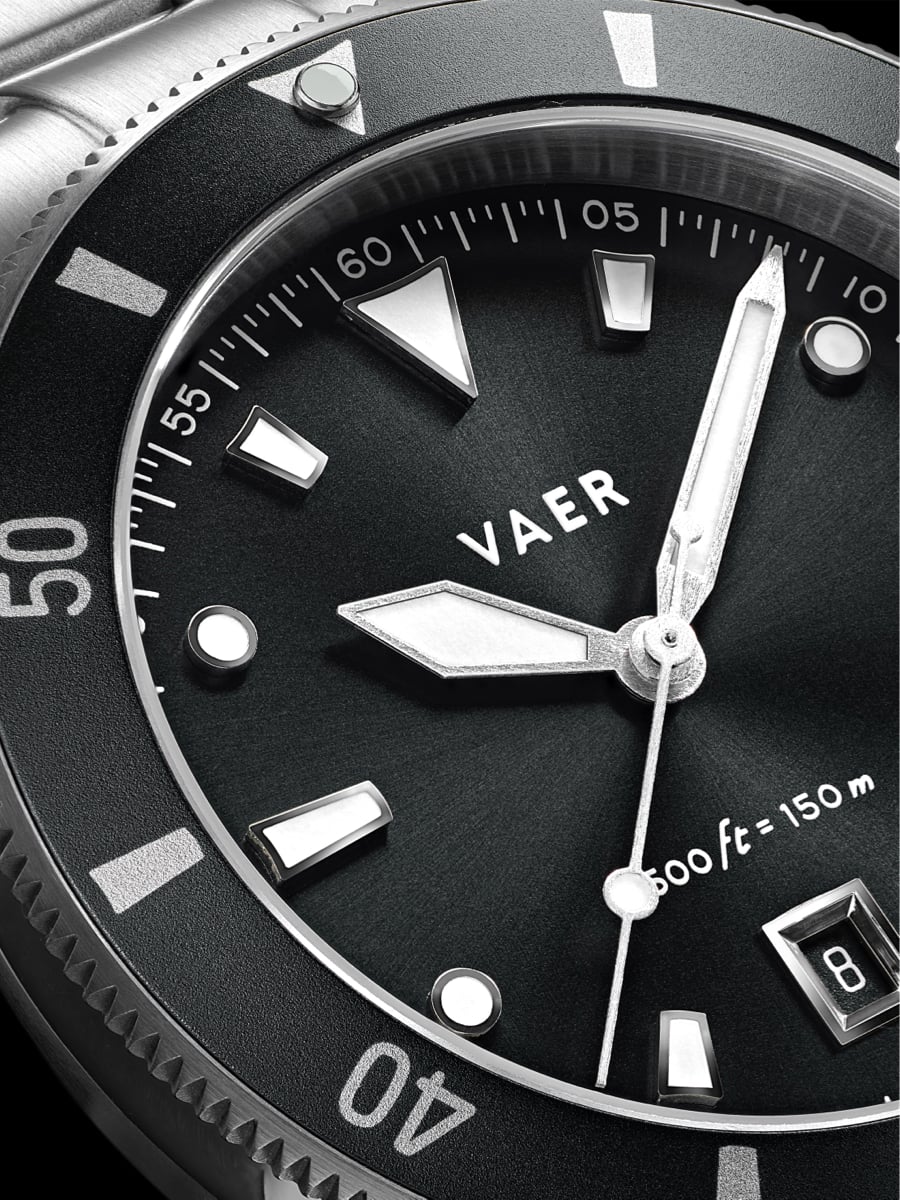 DS2 Meridian: Vintage Dive Style, Everyday ReliabilityInspired by the streamlined "skin diver" watches of the 1960s, the DS2 Meridian combines vintage proportions with the durability of a modern everyday tool watch. A reliable Japanese Miyota quartz movement delivers set-it-and-forget-it accuracy, while 150 meters of water resistance, a locking screwdown crown, sapphire crystal, and strong Super-LumiNova make it ocean-ready. Available in multiple case sizes and starting under $250, it's an approachable way to get classic dive-watch styling without sacrificing everyday practicality.
 © Beartooth Media Group Inc.
 Loading...