Topic

sewing machine advice

  • This topic is empty.
Viewing 5 posts - 1 through 5 (of 5 total)
PostedMay 31, 2010 at 8:00 pm

I've decided to give MYOG a try, and the first step is getting my first sewing machine.

I've been looking locally, and there are two machines I can get for $60 that seems like they won't need a tune up or much attention.

The first is a Singer 247.
SINGER247

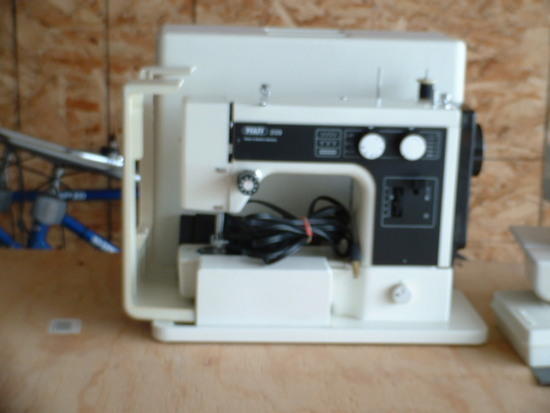
The second is a Pfaff 209.PFAFF209

I'm pretty sure they both have straight stitch, reverse, and zig-zag. Which one should I go for?

PostedJun 1, 2010 at 10:22 am

The best advice I can give you is that when considering buying a used sewing machine is to try it out first. Bring a sample of the fabric (and even the thread) you intend to use and see how it handles the job. Of course you probably will have to adjust the thread tensions abit to get it to perform adequately. I'd also like to add that I prefer older heavier built machines, especially industrial ones. The industrial ones pretty much last forever and they can handle a wider range of fabric weights. However, these heavy beasts tend to cost a few hundred dollars while home machines are much cheaper and can be purchased very reasonably at yard sales or even gotten for free from kind relatives.

No matter what machine you buy you will eventually have to adjust the timing which really isn't hard to do. There's a few other things that can get out of wack so it's not a bad idea to read the manual and figure out how to service your machine. Lastly, once you get your sewing machine running right, practice alot beforehand with scraps before tackling your main project.

PostedJun 1, 2010 at 1:04 pm

From the pix it looks like both are old style non-computer models which is what you want. The Singer looks like it has a presser foot pressure adjustment which can be useful in dealing with different fabrics, but it also looks like it has a drop in bobbin which some have reported as being troublesome. The Pfaff looks newer and more portable.

I second the idea of taking some material and thread to test the machine, though it may be old and need adjustment/lubing.

James D Buch BPL Member
PostedJun 1, 2010 at 6:00 pm

I also recommend that you try to sew with the machines. I would take thread and NEEDLE along, and some scraps of cloth like what you might use. Be sure to see if you can find helpin winding the bobbin with the thread you bring, as well as how to thread the machine and "bring up the bobbin thread" – take somebody who can sew is a fine idea.

Most home sewing machines all use the same kind of needle which may be called a 15X1 style or 735/105 or some other numbers I can not remember. They are for the same form factor of the needle (length and how gripped). There are also a number of different points on the ends of the needles for what kind of fabric the needle will penetrate. There is also a needle diameter size for fine and coarser woven fabric.

I'd take a singer 2020 (universal) needle in a 80/11 weight (one number is USA standard and the other is Metric or European standard number – for the same needle).

Bad thread and bad needles are the cause of over half of the reported sewing problems. Changing thread and needles are about the first two recommendations given for most sewing problems.

If you are learning everything by yourself, maybe borrowing a machine or renting one is the way to get over the initial hump of new learning without much risk of money.

Roger Caffin BPL Member
PostedJun 2, 2010 at 1:02 am

> Bad thread and bad needles are the cause of over half of the reported sewing problems.

+1

Buy good thread and good needles!

Cheers

Viewing 5 posts - 1 through 5 (of 5 total)
Loading...