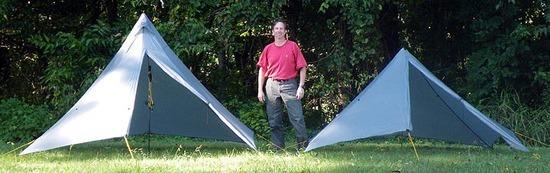
Just returned from my late fall, week-long fishing trip in the Rockies. The conditions were just right for testing the DuoMid + the Fabric Insert. Here are my thoughts on 3 different environmental conditions that I experienced:
Trip Details:
Early October
West side of Rocky Mountain National Park
Elevation: 10,500ft
Occupants:
2 adults slept in shelter/fabric inner (one with 6’ long bag, one with 6’6” long bag) head to toe. Single pole configuration. Gossamer Gear polycro sheets placed below fabric insert.
Conditions:
# 1: Low temp: 35F, minimal winds, no precipitation, low humidity. Clipped bathtub insert into tent and slept on top of inner fabric (essentially used bathtub floor and did not raise fabric). Minimal condensation experienced.
#2: Low temp 35->30F, 10-15 mph winds, rained nearly all night, early morning hours began snowing. Fabric door occasionally left opened. Slept inside inner fabric insert. Significant condensation on tarp and fabric walls
# 3: Low temp 15F, average winds sustained at 20-30 mph (wind gusts reported at 60mph), several hours of snow, totaling ~ 5”, dry unpacked snow, spindrift present. Slept inside inner fabric insert. Sealed 3 sides of tarp edges with some logs and snow. Door left partially open. Significant (frozen) condensation on tarp, moderate wet condensation on fabric wall.
Trip notes on shelter and insert:
1) Definitely was warmer and dryer than just sleeping under the tarp. Overall really liked the insert.
2) For winter trips with 2 adults I would use two bivys instead of the fabric insert. I’ll use the insert for full winter trips where one person (perhaps 1 adult and 1 child) wants extra room for gear and more comfort/space while “waiting out storms”. No room for packs if two adults inside fabric inner. Needed to sleep head to toe for adequate fit.
2) Too short for anyone using a bag longer than 6 feet in length. On a particularly humid night, needed to drape my rain coat over my 6’ long sleeping bag footbox to avoid condensation wetting out bag.
3) Need to work out how to use two trekking poles in an inverted V formation to increase internal space so one person can sleep diagonally – with gear on each side.
4) Suffered from sufficient ventilation issue as evident by condensation inside, especially during condition #2 above. On side where door was located and left open condensation did not form. On non-door side, significant condensation present. Need to add ventilation ports on head/foot sections and one at top to improve air flow through inner insert. Will not seal shelter sides while using fabric insert.
5) Needs to increase interior room by attaching fabric to DuoMid at mid-height corner tie out points. Will sew mid panel shock cords to attach to inverted V trekking poles.
6)Liked the zipper being on left. Protected bathtub floor from snow fall during shelter entry and exit. Will add loop to other tarp door (as suggested by Franco) so ease entry/exit during fair weather.
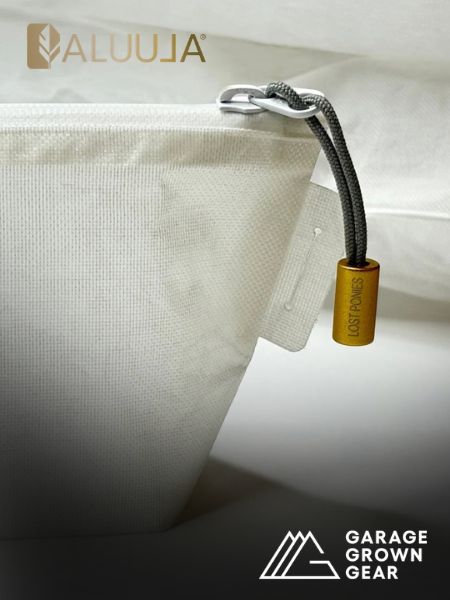
7) Will increase diameter of zipper pull guyline (presently used window blind guyline). Too difficult to open with mitts.
8) Need to add few guy-loops on fabric inner for headlamp and eyeglasses.
9) DuoMid was rock solid in high winds. Fabric inner held up to use and conditions without signs of fraying or failure (compliments of my sister-in-law's sewing prowess).