I live and hike in Palm Springs, and am familiar with all the areas in the link James posted. There are no water sources in those areas.
Too hot depends on your acclimization. I can hike in these temps, most cannot. Hiking in 115F is not something I try to do. I struggle in cold conditions, others do not. So the first step, can you deal with extreme heat? If you have never hiked/lived in 110F plus, the answer is generally no.
Some tips for extreme heat:
SUL. You only need food, water, and a poncho/tarp. No sleeping bag. No rain gear. No hot food, unless it is a physcological boost. You need up to 2 gallons of water a day.
The article mentioned the Carl Lyken Trail. This is part of the Cactus to Clouds Trail; I posted a trip report of this a couple months ago. That same weekend of my trip, there was a death on the C2C due to heat exhaustion. My base weight was sub 5lb, and I started with 4 liters of water. 4 liters was almost too little the first day, and would have been disaterous for someone not used to the heat. Temps were around 90F, and hiking up was strenuous. Since my night camp was near 10,000 feet I needed to take a quilt.
We have several heat related deaths in the area every year. Many people do hike the C2C trail in the summer, but they start at Midnight – 2am and reach the upper elevations in the early morning. So you do not want to hike in the desert temps during the heat of the day.
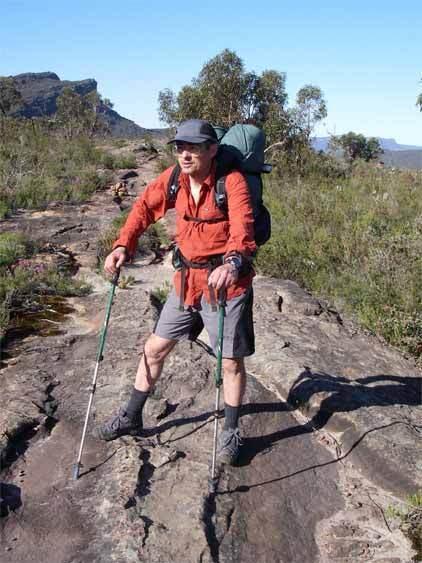
Clothes: WIDE brim hat. Long sleeve shirt and pants. Bandanna. Sun glasses. Sun tan lotion with a high rating. Light colors and breatable. Covering your skin will reduce evaporation. Over 105F, I often wear two top layers. T-Shirt and long sleeve shirt. Your inner thighs will be soaked all day. The only time I wear underwear is in these kinds of conditions. I wear an expensive pair of Ex Officio long briefs. Socks: If you have foot problems, you may want to change socks several times a day. Light shoes with open mesh.
Water consumption: drink fequently.
Electrolite loss: Hugh propblem. There is controvery about the value of salt tablets. I find that when the loss starts to affect me, eating a few potato chips or Doritos is a real pick-me up. No scientific evidence to support this.
Do not hike during the heat of the day: This is why you brought the tarp. Rest from Noon – 3 pm, IN THE SHADE. It may not be much cooler in the shade, but being out of the direct sun will help your body exponentially. You probably will not be able to take a long nap in the middle of the day, it is hard to sleep in this kind of heat. I can hike during the heat of the day, but when at 105F or higher, I do not. It takes too much out of your body.
If you are not used to the heat, and do not have a reliabe water source, and are starting out with "enough" water in your pack; have a bail out plan!!
If you need to rely on water sources, check with someone in the area who has been to the sources recently!! A while back Nate posted a question about the state of water sources before a trip. Smart move on his part.
I will be doing a trip in August in the Lake Mead/Colo River area. I will always be within a days hike of reliable water, and have a minimum of 6 liters water at the start of a day, depending on temperature. The risk is that I will be solo. A serious injury preventing me to get to a water source within one day could be lethal.
Make sure someone knows where you are going and EXACTLY when you will be exiting.
Fletcher's Complete Walker has a lot of data about temperature. It is a good read.