Topic

Cuben Fiber / Climashield XP – Sleeping Bag

  • This topic is empty.
Viewing 25 posts - 1 through 25 (of 28 total)
Bill Fornshell BPL Member
PostedFeb 28, 2009 at 12:30 am

As a result of several good medical checkups in February I have a three month window between now and my next set of follow-up exams the first of June. For the first time in several years I am going to have some time to go for one or two hikes of 2 or 3 weeks duration maybe more but I don't want to be overly optimistic at this time. My first hike goal will be to follow the Appalachian Trail (AT) north from Springer Mtn to Fontana Dam or about 164 miles. This hike will take as long as it takes and will let me know just what kind of shape I am in and how my gear works. Then according to a lot of factors such as another group of good checkups in June I will try for longer hikes and may see how much of the AT I can hike this year.

I want to try and go sooner rather than later. Since it is still winter along the Southern portion of the Appalachian Trail I have decided to make a warmer / lighter Cuben Fiber Sleeping Bag for the hike.

When Cuben announced that color was available I ordered some Blue in the 0.33 ounce per sq yard product. I was disappointed in the lack of color and it sat in my closet. I will use some of the 0.33 ounce Blue Cuben I have for a new sleeping bag.

For insulation I will use 5 ounce per sq yard Climashield XP Insulation. When I bought the 5 ounce XP I weighed the whole piece (3 yards) and the average weight was around 6.5 ounces per sq yard. I will weigh the amount I use and then calculate the weight to give me a more accurate CLO valve.

The Sleeping Bag will be a "slide in" style and have a non-insulated Cuben bottom to save weight. I have made several Sleeping Bags with this design and have made a few modifications to my basic Sleeping Bag Pattern for this bag.

Current Material Weight:

Cuben Fiber at 0.33 ounces per sq yard – required 2.28 sq yards for the outer shell and the same for the inter shell. Cuben Fiber non-insulated bottom – 0.4 09 sq yards.
Total weight of Cuben Fiber (est.) 1.99 ounces.

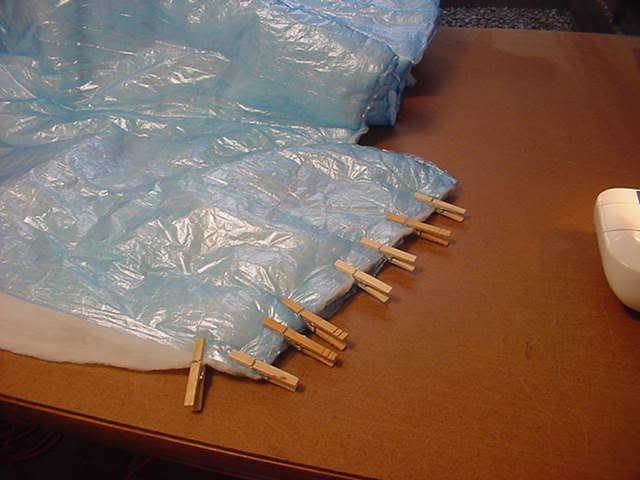
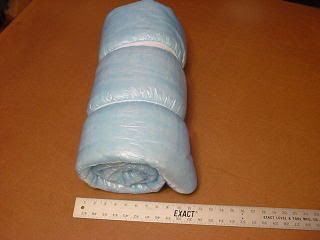
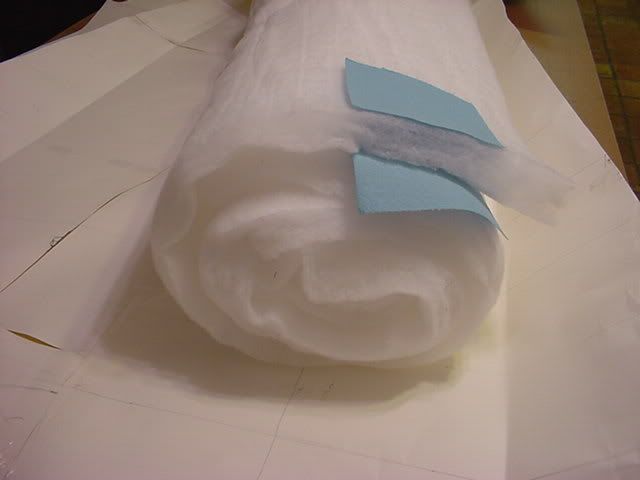
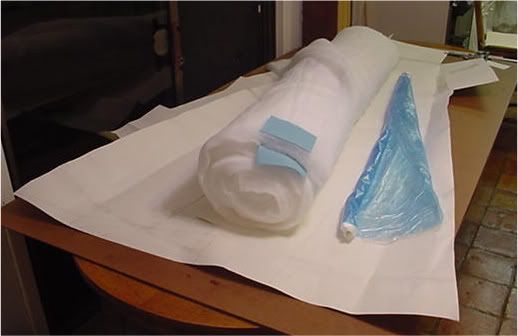
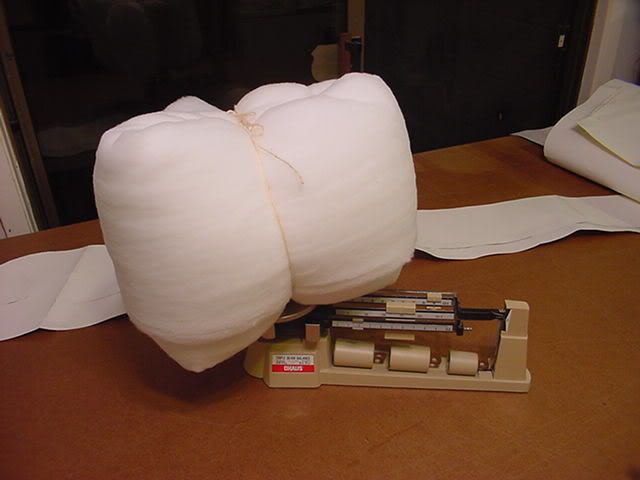
I have cut and weighed the XP Insulation. Taking several samples from the 3 yards the average weight comes out to 6.06 ounces per sq yard – required 2.28 sq yards. Actual weight of cut to shape XP is 13.82 ounces. Clo value – 6.06 x 0.82 is equal to 4.969 or rounded up to a Clo of 5.

Total material weight at this point is 15.81 ounces. This weight makes me think I can have a very warm Cuben Sleeping Bag at less than 16 ounces or one pound. With a Clo of 5, I will let you all decide for yourself what temperature that will be good for. I have my own idea and I expect this bag will be fine for my hike. Being old but not being stupid I will have something extra in case the weather gets really cold.

Source of Materials:

I get asked a lot where I get the material I use. I buy most of it from one of three places:

Quest Outfitters – Cuben Fiber by the yard, other material and fittings.
Thru-Hiker – Climashield Insulation, other material and fittings.
Outdoor Wilderness Fabrics – Climashield Insulation (has had in the past but seem to be out of stock at this time), other material and fittings.

I also buy Cuben Fiber direct from Cuben Corp but they require a purchase of 9 yards or more.

1.
2.
3.
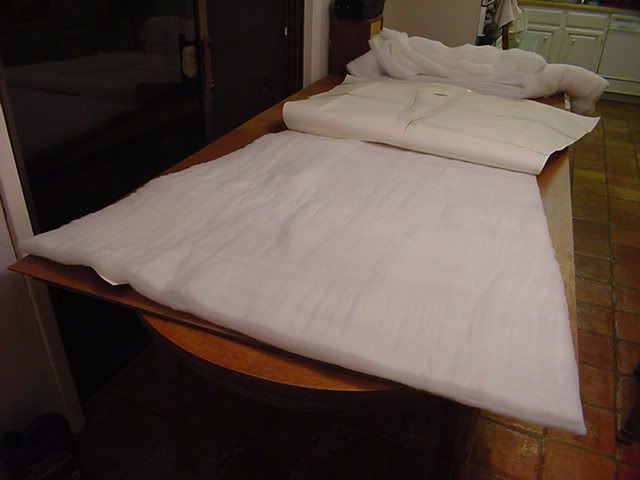
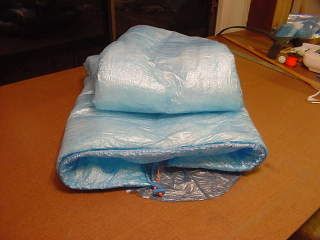
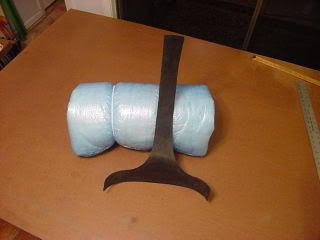
4. Weight of XP is 13.82 ounces.
J B BPL Member
PostedFeb 28, 2009 at 2:00 am

Like all your projects that I've seen, this looks highly innovative and interesting.

Jim Colten BPL Member
PostedFeb 28, 2009 at 5:19 am

Well Bill, foreign territory for you … I can't remember the last time one of your projects got to the stage of "I'll use it" weighing in at double digit ounces. But it's still a LOT of function for one pound.

And I don't doubt the research results that told you you might need that much function. A good lesson for all gram weenies … focusing on weight per value delivered rather than only weight.

Very glad to see you out hiking. Looking forward to a report.

Tim Marshall BPL Member
PostedFeb 28, 2009 at 7:22 am

Bill,

You posted that OWFINC.com had climashield. I have got it from them in the past but recently they have only listed primaloft and polarguard. Has that changed and they have it again or did you just list them remembering they had it before? They are always cheaper than thru-hiker which is the only place i knew of who had it right now. Buying bulk saves something like 20%, and i always buy bulk. Hope to hear good news.

-Tim

Bill Fornshell BPL Member
PostedFeb 28, 2009 at 9:27 am

Hi Johann, Jim and Tim,

Thanks for taking the time to comment.

Jim,

I lived in Dahlonega, GA for 11 years. During that time I was in the woods hiking or something, during every month of the year. I can tell you that it can get very cold at times in those mountains. I think the biggest snow I remember was in April one year. Four foot snow drifts in my driveway. Nice.

I define UL or SUL as it applies to the season I am hiking in. I apply this to each item I carry.

I like your comment "weight per value delivered rather than only weight".

Think about a 40 to 45 degree sleeping bag made out of Cuben and the 2 oz Combat or 2.5 ounce XP. Weight, about 7 to 8 ounces or less. That one is next on my list.

Tim,

I haven't look at the OWFINC.com web site for Climashield Insulation in awhile. The last time I called them they had some Combat but weren't sure about getting new stock.

They may have sold out and went with what was easy to get.

I have on hand from them (bought as I now see looking at my invoice back in 2007-funny how time flies) 3 yards of Combat in the 4.7 ounce per sq yard weight. I will edit my comment about OWFINC.com to "has had in the past" and will call them on Monday.

PostedMar 2, 2009 at 1:02 pm

Bill,
Any updates and or photos of the finished bag ?? Really looking forward to seeing how this turns out. I hope you can post some photos soon!
I had really considered making a sleeping bag similar to the Gossamer Gear Sleeplight "similar to the kind you are making I think" but figured I would just make a quilt to begin with. If I don't like the way the quilt works I figure I can convert it to sleeping bag similar to yours.
Thanks
Kevin

Bill Fornshell BPL Member
PostedMar 2, 2009 at 10:45 pm

Hi Kevin,

I had a hard time finding this thread. Maybe one day this site will get smart and group like topics together and only display the last comment for a given thread topic. Then we would not have to wade through pages of this 40% off crap and other space wasters.

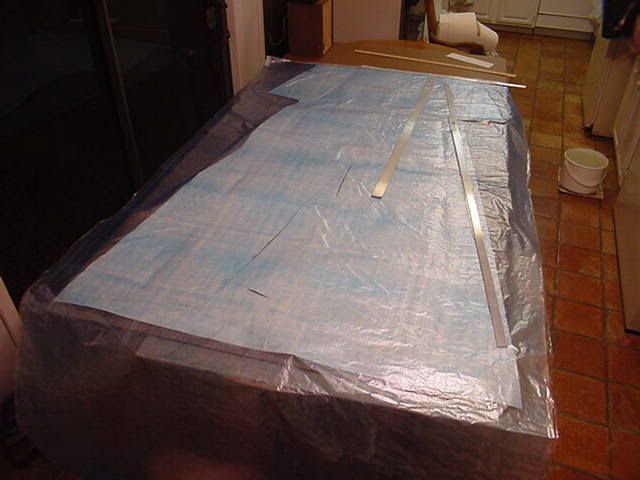
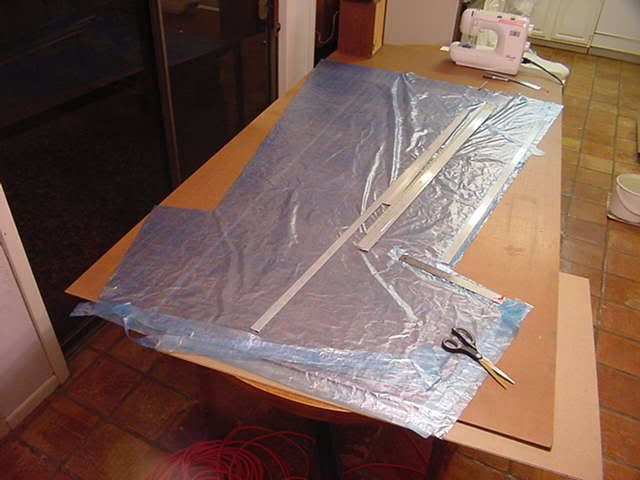
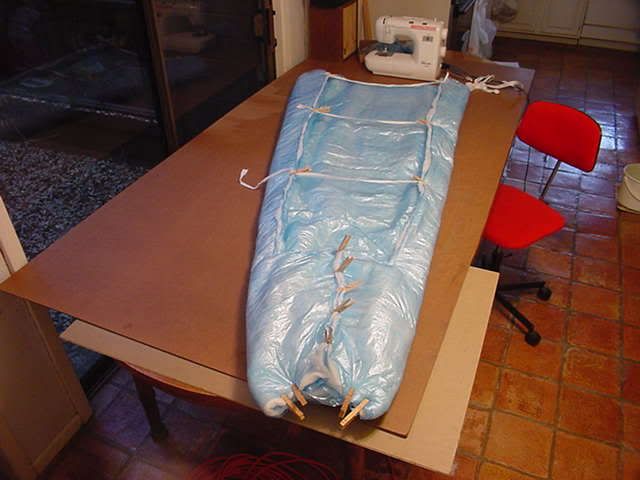
I was a little busy over the weekend and didn't get anything done on my new Sleeping Bag. This evening I cut the first two pieces of Cuben for the shell. Each piece weighs 23.7 grams or 0.84 of an ounce. If the Blue Cuben is 0.33 ounce per sq yard this would be 2.55 sq yards for each piece This is more than the estimate of 2.28 sq yards that I used as a planning figure. I have both pieces of Cuben cut and ready to sew. I will cut the Cuben for the non-insulated bottom part after I sew the Cuben and XP together.

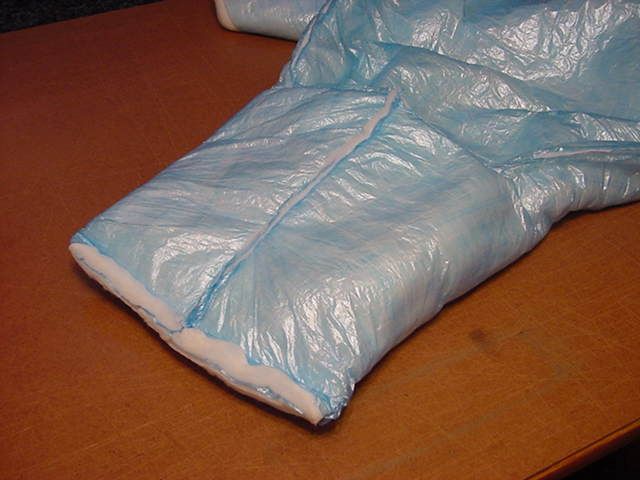
The extra material weight for both the Cuben and XP is from making the foot box area a little larger than the original pattern. This will give me an insulated foot box about 20 inches deep. If this Sleeping Bag was being made for warmer temperatures then I expect, I would not have added the insulated foot box.

My use of a non-insulated bottom in a sleeping bag started from taking to Glen at GG. We were exchanging a series of emails about sleeping bag weight and a few other topics when he mentioned that their Sleeping Bag had a non-insulated bottom to make it lighter. Within a few days I made my first Sleeping Bag with a non-insulated bottom using Cuben for the bottom. It added almost no extra weight and was so much warmer than a quilt that I haven't made another quilt since.

I have several quilts that I can still use in warmer weather. When the temperatures get below about 50 I will go with one of my non-insulated bottom sleeping bags.

I hope to finish the new Sleeping Bag on Tuesday.

1.

2.

3.

Bill Fornshell BPL Member
PostedMar 3, 2009 at 5:23 pm

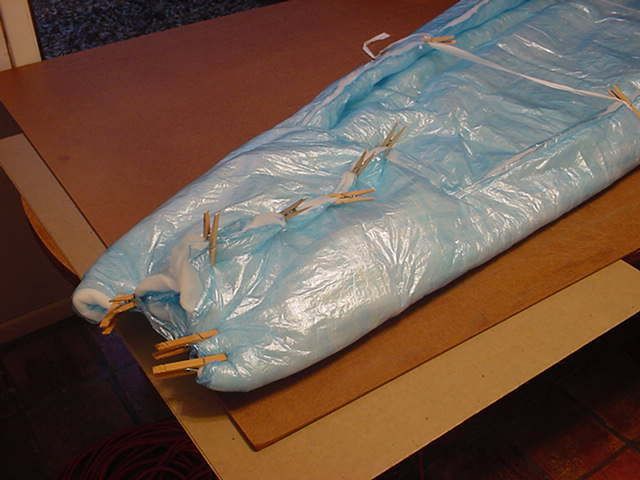
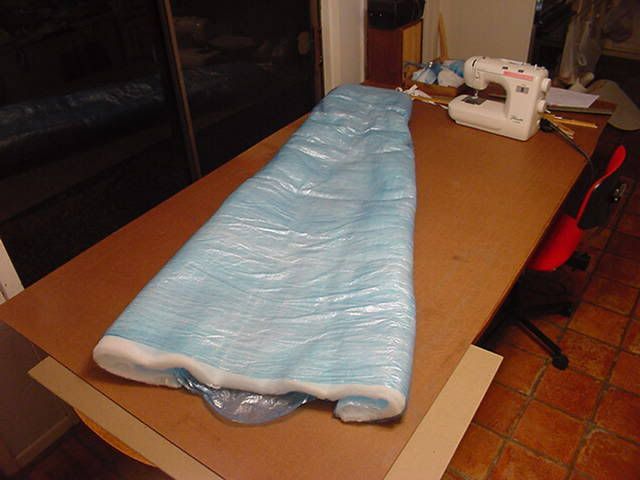
Moving right along. Getting ready to sew the Cuben for the bottom.

The numbers still look like the new Sleeping Bag will be under 16 ounces.

1.

2.

3.

4. Foot Box – Inside out

Roleigh Martin BPL Member
PostedMar 3, 2009 at 5:34 pm

Bill, what is your sewing machine brand/model?

Do you recommend it for someone with very limited experience on a sewing machine? I used to have a Kenmore that worked alright for me for simple clothing repairs and my wife gave it away without talking to me, I stupidly bought a replacement cheapo at Walmart which is pure junk, it consistently jams up. I'm looking for something affordable but reliable. I was curious about your model. Thanks.

Nia Schmald BPL Member
PostedMar 3, 2009 at 5:56 pm

Nice work as always Bill. BTW bpl added the recent threads link on the right, which might help you sorting through the backcountry posts.

Bill Fornshell BPL Member
PostedMar 4, 2009 at 12:35 am

The Cuben Fiber / Climashield XP – Sleeping Bag is finished except for the draw cord at the opening. The opening is 33" across and the foot box width is 16". I will finish the draw cord for the opening later today.

The current weight is 15.45 ounces.

I believe this is a lot of Sleeping Bag and a really good Clo rating (5) for less than 16 ounces or One Pound. The total weight of the XP Insulation is 13.7 ounces. The weight of the Cuben Fiber Shell material is 1.75 ounces.

I got into the Bag and got warm really fast. I fit the Bag fine but don't have much extra space. This is how I planned the size, big enough but no wasted space. I do have room in the foot box area for my shoes so I don't have to worry about them freezing over night if it is that cold.

Roleigh,

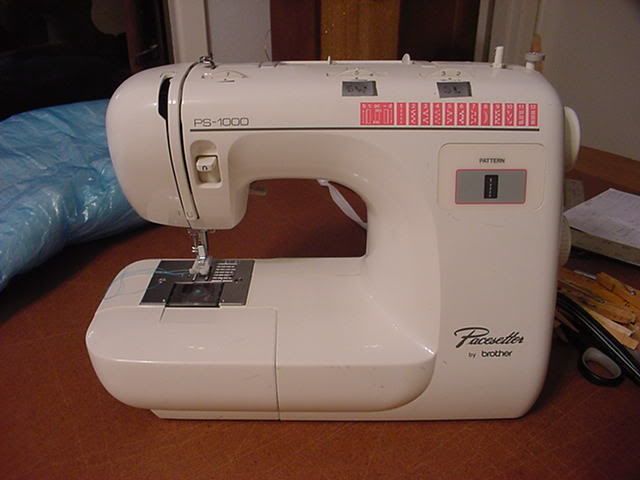
My sewing machine is a "Brother – Pacesetter – PS-1000". I bought it at a local Sewing Center a few years ago. I got free sewing lessons with it.

I had a Wal Mart Brother Sewing Machine for about 12 years. Yours may need a tune-up. The Sewing Center where I bought my second sewing machine is a authorized Brother service center. They did a clean up / adjustment of my old one after I thought I had killed it. It was only out of adjustment and they made it work good as new. I still use it for some things.

Nia,

Thanks.

PostedMar 4, 2009 at 9:02 am

Bill,
The bag is looking great! Can't believe that weight this is going to be finished.
1.75 oz for the shell material is incredible. I just weighed the shell materials for my quilt I'm making and I'm at 6.0 oz. I just can't take the leap to Cuben yet as I'm not able to wake up and vent properly and I know I would end up being sweaty and wet.
Please post some more photos once you have it completed!!! So, with your clo of (5), what temperature range do you think this bag would be good for you?
Do you think you will have enough room to add additional clothing if needed?
Kevin

Bill Fornshell BPL Member
PostedMar 4, 2009 at 10:22 pm

My new Blue Cuben Fiber / Climashield XP Sleeping Bag is finished.

Total weight is 15.55 ounces.

PostedMar 5, 2009 at 9:42 am

Bill,
Amazing !!! Any idea when you might have a chance to "backyard" test it and report ? I know you plan on using this mostly in your hammock but I would love to see some photos of it layed out on top of a pad with someone inside for reference.

Steven Evans BPL Member
PostedMar 5, 2009 at 10:08 am

Bill,
That thing is sweet looking. Now, I'm not the sharpest knife in the drawer, but I just realized that you only needed to sew the edges of the fabric and not actually anything in the middle. This means that it will work as a full vapor barrier aswell (ie. no pin holes throughout the bag). You really won't have to worry about moisture entering the bag, right?

Bill Fornshell BPL Member
PostedMar 5, 2009 at 2:20 pm

Thanks for taking the time to leave a few comments.

Greg,

Thanks for the nice comment.

Kevin,

While I have been in and out of the new Sleeping Bag a lot over the last few days and have even tried it out inside my 4 ounce Bivy, it is way to warm to stay in it for more than about 10 minutes. We don't get much cold weather here in San Antonio, Texas and It is going to go over 80 degrees this afternoon. Even over night I am sure I would get to hot to stay in it very long.

I don't want someone to find me in the morning, drown. That is a joke.

Date for my hike still not for sure. I got a very interesting item in the mail yesterday. I have been working on something for it today. I will post a few pictures of where I am with that later today.

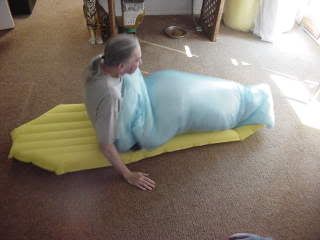
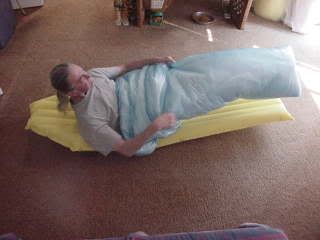
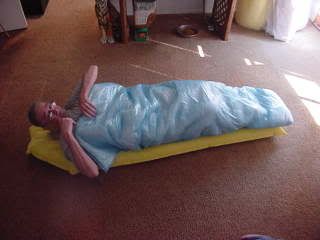
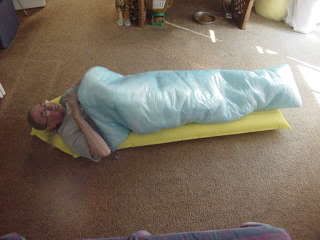
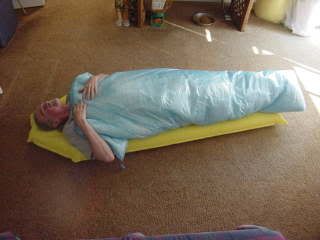
I will see if I can get a picture of me in the bag. My camera has a timer but I think it is only a 10 second delay. I don't know if I can get in the bag that quick. I did a few practice runs and then took these pictures. The really funny ones didn't make the cut. This is the best I could do using my timer:

1. Slow.

2. Better by a little.

3. Better.

4. Better.

5. About the best it is going to get in 10 seconds.

The Sleeping Bag will come up to my nose when I have time to get in it slowly. If I lay on my side I can hid my head inside it.

Steven,

You are correct about the type of insulation I used. It only needs to be sewn along the edges. If the item being made was really wide then I might have to stabilize the insulation. The Sleeping Bag did not require that so working with this type of insulation makes the work go sort of quick.

I have used a vapor barrier (VB) liner or VB clothes inside my cold weather Sleeping Bags for years. When I started looking for ways to really reduce the weight of my gear I made a lot of things out of Cuben Fiber. It was only a matter of time before I made my first Cuben Sleeping Bag. I didn't like the insulation I used but the Cuben worked fine. I save a lot of weight on shell material and now could leave the VB liner at home and the VB clothes were now an option.

The way the Cuben Sleeping Bag is made no body moisture can get to the insulation. The Cuben Fiber is completely waterproof. On the first Cuben Bag I built in a small vent system to help squeeze out the air or let air into the insulation. I improved upon that idea with this bag so if it is ever necessary to air out or dry out the insulation I can do that very easy.

Steven Evans BPL Member
PostedMar 7, 2009 at 9:24 am

I built in a small vent system to help squeeze out the air or let air into the insulation

Bill, great idea. Actually, it's a REALLY great idea.

Bill Fornshell BPL Member
PostedMar 7, 2009 at 11:07 am

Tim and Steven,

My "Vent System" is more like a "Trap Door" that when opened will let me turn the Sleeping Bag inside out and expose part or all of the insulation if that is ever necessary.

By just opening the Trap Door I can expose one end of the insulation to roll or unroll the Sleeping Bag to get the air out or let air in. The Climashield Insulation is make so I just have to sew it around the edges making this idea work very well.

PostedMar 20, 2009 at 4:36 pm

Bill thanks for what you do here. I've been lurking for about a month, googled my way in here looking for info on cuben fabric. I'm about to make a bilgy tent, but soon I'll be ready to make a sleeping bag and I'm having a little trouble finding a pattern to use; how did you make your pattern?

Thanks, Taylor

Bill Fornshell BPL Member
PostedMar 21, 2009 at 10:42 am

Hi Taylor,

This is the thread for my first Cuben Sleeping Bag. I talk some about how I made the pattern.
First Cuben Sleeping Bag Thread

If you have a sleeping bag that fits you, put some paper on the floor, lay the sleeping bag on the paper and draw around it. Then get some cheap fabric and make a pattern test bag and see how you like it. Just make the shell.
Adjust the pattern as necessary and go for it. Remember to leave extra material for your seam allowance. Add the thickness of the insulation to your seam allowance or the bag will be smaller when you are finished.

My Hike? window has been pushed back a few weeks due to an unexpected medical appointment in early April.

I am thinking about making another Cuben Sleeping Bag for a bottom end temperature of 30 or so degrees. I really like the design of the first Cuben Bag but don’t like the Primaloft One insulation that I used. The pre-quilting added 1 ounce per sq yard to the weight of the insulation. For me that is to much wasted weight.

PostedMar 21, 2009 at 5:38 pm

I really appreciate the comeback. I see you're in Southern Texas- I try to get down to Corpus Christi as often as possible to fish from the beach at PINS, there are few places I'd rather be.

BTW I had a chat with a nice lady at Quest Outfitters, she had some very nice things to say about you. Likewise the people at Cuben Technology. I can't thank you enough for what can only be described as pioneering work in UL apps.

Have you noticed any problems with the lack of breathability using cuben for a sleeping bag? I think your desgin allowing the bag to be turned inside-ouit to expose the insulation for drying is nothing short of revolutionary, but I bet the batting won't get wet from sweat.
-T

Bill Fornshell BPL Member
PostedJan 20, 2010 at 1:41 pm

A comment was made on one of the threads here about using Cuben Fiber for the shell material when making insulated garments.

What ever type of insulation you choose you might want to add into your design a way to vent or air out the insulation.

This is one of the ways I did this for two different Sleeping Bags made using 100% Cuben Fiber.

1. Finished Sleeping Bag – looking at the underside of the Bag.

2. Flap – opened to allow the XP to air out if and when it might be necessary.

3. Opened to show that you could turn the insulated part of the bag inside out a little or completely to air out the XP if necessary.

4. Foot Box – 14" long by 15" wide.

It got cold here in San Antonio last week and I used this Sleeping Bag down to 21 degrees and was very warm in it. I was sleeping on my Down Air Mattress. I am sure I could go lower than 21 degrees in this Sleeping Bag. I could wear some or all of the clothing I would be using on a hike where I expected the temperature range to go as low as 10 or so degrees.

Viewing 25 posts - 1 through 25 (of 28 total)
Loading...