That sand and gravel is tough on my pots. I use anodized aluminum Optimus, either Solo or Weekender models. Generally I use a wooden spatula type utensil to scrape them, a single piece of TP, then boil up a cup of post dinner tea. Always gets them very clean.
Topic
Cook pot cleaning
Become a member to post in the forums.
- This topic has 33 replies, 29 voices, and was last updated 10 years, 4 months ago by .
Like Lori I don't cook anything in my pot. I prefer just adding hot water to dehydrated meals, instant potatoes in a repackaged boil in bag type pouch, etc. I prefer convenience. Plus I'm a LNT kinda guy and drinking food water doesn't appeal to me. To each their own.
I like the sand idea. I generally use some natural item around, like moss or Doug fir sprig. Since I boil-water cook, I make sure to put my spoon in the water as it reaches a boil, before eating again. My cup is limited to hot tea or coffee, no sugar or creamer, so a rinse is usually good enough. It’s all worked so far. No illness.
Kelly
I carry a Tupperware with screw-on lid to eat out of. Â Add water, cap, shake, drink, repeat.
Food never touches my titanium.
I don’t like the waste of ziploc, and can carry food in bulk (this method actually saves weight on long trips). Â It’s really nice to eat out of a bowl.
Sand is very good for cleaning burnt food off the inside of a stainless steel pot. It will however destroy the surface of a hard-anodised aluminium pot fairly quicly, and it will damage a titanium pot. But … HYOH
Cheers
Our cookpots have travelled a few miles and provided many hot meals. They consist of the ones that came with our old Trangia setup, light and pretty near indestructible. Like Roger we use a canister stove which provides for a predictable heat without blackening. We find the nylon scouring pads available in every supermarket in Oz do the job just fine.
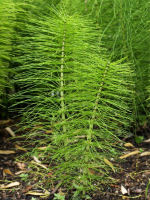
I haven’t noticed anyone mentioning horsetails. Â They are abrasive enough for burned food. Â Â 
I just add water to my pot, let it sit for a couple of minutes to soften everything up, and then scrape it clean with my spoon. Â Then I drink the food/water. Â (I carried all those calories with me all that way; it would be a shame to just throw them on the ground!) Â I don’t like using dirt or sand to clean my pot because I usually eat a cold breakfast out of it the morning, so I don’t end up sanitizing it by boiling water.
Well, I usually eat everything, then rise with a bit of water, then dry with my bandanna. I cook a lot, from fritters, soups, stews, fried fish, pan cakes, etc, usually all in one pan…a simple grease pot. Yup, sometimes things get stuck on. Yup, sometimes things get a bit greasy and it takes more than one rinse. IFF it gets really greasy, you can use several dashes of salt along with a few drops of water to make a “slurry” (and a bandanna to protect your fingers from the abrasive action of the salt) to “sterilize” the pot and scrub it clean. You WILL end up with holes in your bandanna if you do this too hard. Rinse out with water. I don’t do this very often.
I don’t avoid cooking just to keep my pan clean, but do avoid burning things though it does happen, especially when frying and baking. I don’t fight with it. Any nutritious food is gone, carbon (or burnt on junk) is not a food, so it is fine. Dry, things will not spoil and make me sick. (All living things that will make you sick require a bit of water to grow, you body knows how to deal with minor contaminants.) I use the pot at least once per day…basically “sterilizing” it, anyway.
So, to repeat, water does the washing. Soap and detergents simply make it more effective. Salt works OK in super concentrated solutions as a detergent. You do not *need* to totally shine and clean your pot. Bacteria and other spoilage mechanisms take at least 24 hours to be dangerous in a wet environment, much longer without “food.” Drying a pot prevents bacterial growth. (NOTE: salt water will disinfect and also corrode aluminum, rinse it out.)
Become a member to post in the forums.