Topic

Transition from Traditional to Ultralight

  • This topic is empty.
Viewing 25 posts - 1 through 25 (of 58 total)
Chris Shiflett BPL Member
PostedSep 1, 2015 at 4:54 pm

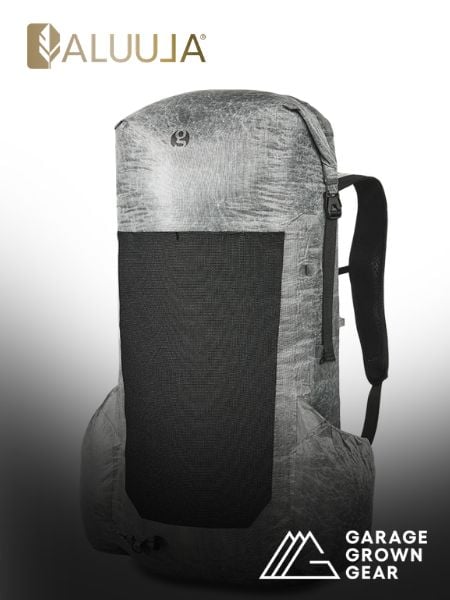
I just recently moved from Brooklyn to Boulder, and much of my gear predates my life in Brooklyn (where I only went backpacking occasionally), so much of it is 15 years old or more. I have always tried to be mindful of weight when evaluating gear, but after a recent solo trip to Indian Peaks, I decided to get a bit more serious about lightening my load. I now have a scale and weighed everything that I took with me. My base weight is roughly 20 pounds, and my backpack alone is 5 pounds of that. My tent is almost 4 pounds, my bear canister is 2 pounds, my stove (sans fuel) is 1 pound, and my sleeping bag is 1 pound. My stove is a 20-year-old MSR WhisperLite, and my water filter is an old MSR water filter. Everything else is more reasonable, although there are obviously improvements I could make by simply eliminating unnecessary gear, which I will do. I'm happy to post my full list, but for those of you who have transitioned from traditional backpacking, what steps would you recommend? Three challenges I see: 1. Cost. I bought a ZPacks sleeping bag, which is incredibly light, but it was $390. I saved a few pounds, which is really nice, but I can't afford to spend hundreds of dollars for every few pounds. Buying that was possibly a poor decision, but I was shocked to see a 20º sleeping bag that only weighs 1 pound. Amazing. (Also, I love it.) 2. Backpack. The lighter backpacks are also designed for lighter loads. It feels like a chicken and an egg problem. My backpack is the heaviest contributor to my base weight of 20 pounds, but if I only replace my backpack, won't I be carrying a heavy load in a backpack not designed for heavy loads? In addition to this, I don't even know what the good choices are. Other than Gossamer Gear and ZPacks, what brands should I be considering? 3. Tent. I've used a Hilleberg Akto for as long as I can remember. It used to be considered light, but it's not that light. It's also fairly bulky. Between it and my bear canister, I don't have much room left in my pack. That said, it seems like my only tent choices for going lighter are with brands that deliberately make sacrifices for weight (Tarptent, ZPacks, etc.). I don't know how to evaluate these sacrifices. The last point is possibly the most important. As a relative newcomer to ultralight backpacking, I struggle to evaluate many of the new, unfamiliar materials, concepts, and brands for equipment like tents, stoves, and water filters. Most primers I've read don't really provide a crash course for what the current state of the art is. Thanks in advance for your guidance.

David Thomas BPL Member
PostedSep 1, 2015 at 5:07 pm

You're right – backpacks are a chicken&egg problem. And therefore probably the last of the "big 3" to get, once you've down-sized and UL'ed the rest of your kit. Since money is an issue, here are two cheap, but reasonable first steps: Here's a $15, 25 gram stove: http://www.gearbest.com/camping/pp_116350.html That saves a pound and 94% of the volume over your MSR stove and it is so much easier to use (turn on, turn off), that you can start learning and using UL techniques like bring water just shy of a boil, letting your noodles / FD food / whatever steep in the hot water and then, possibly, reheat it instead of leaving a burner on simmer for 10 minutes. Yes, butane canister are more expensive per heat value than white gas, but because of that ease of turning it on and off, I leave my canister stove on far fewer minutes than my WG MSR stoves. And for shelter, you can cheaply investigate if you there is a tarp in your future. Get 10' x 12' 6 ml plastic sheeting (sold floor covers while house painting). Reinforce the edges and center seam with duct tape or package sealing tape. Get a pack of tent stakes and some 100-pound test fishing line. Learn different pitches in different wind and weather conditions. 10 x 12 is huge for one person. But will keep you dry even as a beginner. Instantly and cheaply you save 2-3 pounds. As you get more skilled and comfortable using a tarp, you can trim it and then trim it some more. Until you decide you've gone too far. Then you'll know what size silnylon or Cuben tarp to buy and be ready to use that smaller, sturdier tarp.

Don Burton BPL Member
PostedSep 1, 2015 at 5:34 pm

For about $265 more you could save roughly 6 1/2 lbs. -Six Moon Designs Fusion 50 pack ($100), 34oz -Six Moon Designs Skyscape Scout tent ($125), 34 oz -Mini Sawyer water filter ($25), 2.4oz -BRS 3000T stove ($14), .8oz These are items that are an easy transition for someone coming from traditional equipment.

Justin Baker BPL Member
PostedSep 1, 2015 at 5:35 pm

Backpack- I would wait until you have replaced your heaviest items before getting a new pack. I highly recommend ULA packs. A ULA circuit is a good all around pack. But there are lots of options. Sleeping bag – That was a good investment. Down bags will last forever. Shelter – I would recommend going with a pyramid tent. They are light, very strong in storms, and provide plenty of protection. They are floorless which I like, the ground drains and you can bring wet gear in there without trapping water droplets in a nylon bathtub. You can use a sheet of plastic as a ground sheet. The mountain laurel designs duomid weighs 20 ounces in silnylon and you can use your trekking poles or a 6 ounce separate pole to support it. You could probably sell your hildeberg and get a duomid. The cheaper option, which I normally use, is a 10×8 sil nylon tarp. It works fine but takes practice to use effectively. Stay away from cuben fiber and invest your money in other things. Stove – Lots of canister stove options that are very light. Filter – I recommend a sawyer mini over a pump filter, the sawyer mini weighs a couple ounces. Or a steripen. Last suggestion I have is to watch the gear swap section on here regularly. You can find some good deals.

PostedSep 1, 2015 at 5:47 pm

One easy way to drop some weight (and space moreso) is to leave the Akto inner at home. After a few trips with just a single wall Akto outer, you can decide if you want to go further into the tarping world. That's how I started and now my summer shelter is a 7oz cuben tarp.

Richard May BPL Member
PostedSep 1, 2015 at 6:26 pm

I was in a similar place a few years ago. Using just the rain fly as a tarp would give you a chance to test the idea of using a tarp and see if you want to make an investment. I didn't have a lot of money either and decided to just wing it with a poncho-tarp and bivy combo. My thought was that even if I didn't like it, it would work—because for many it already does—and I could upgrade to something more to my liking when I could afford it. In the end I stuck with the system because I liked it. Heck, now I'm scheming to get an 8×10 cuben tarp and ditching the bivy… but that's like a few hundred dollars for a couple ounces or breaking even on weight once I add back in rain gear. So that decision is one of how I'd like to camp more than weight.

Stuart . BPL Member
PostedSep 1, 2015 at 6:41 pm

I went through a similar exercise about five years ago, when my pack, empty, weighed 7lb and my tent was over 10lb. Mine was an evolutionary process, lots of trial and error. Thankfully Gear Swap here means you don't always have to buy retail and sell for a big loss. This summer was an unusually buggy one in the Colorado high country, and i was glad of my double wall tent's inner net. By the middle of this month that will no longer be a problem, and single wall should do just fine. "Three season conditions" is a misnomer when most trailheads are between 8-10,000ft. We're looking at mid-June to mid-September. The Akto will serve you well into the winter months however. To extend your season without buying extra gear, consider NM and UT in spring. Fall is tricky due to hunting for season, but I have learned to embrace blaze orange. If you have the urge to take winter trips regularly, layering a synthetic quilt on top of your Zpacks 20F will avoid the expense of a dedicated winter bag, and it will help keep condensation out of the down. Have a look at Enlightened Equipment's Prodigy as an inexpensive option. The bulk adds up with winter gear, so you may ultimately wind up getting a second larger pack. I use a 48 litre pack in summer (MLD Prophet) and a 70 litre pack in winter or when being sherpa with my 8 year old son (ULA Catalyst). Neither are available through retailers but both companies have excellent customer service and take returns if the pack you ordered doesn't fit right. You can find a few HMG models at Neptune Mountaineering if that brand catches your attention.

J-L BPL Member
PostedSep 1, 2015 at 8:13 pm

"My base weight is roughly 20 pounds, and my backpack alone is 5 pounds of that. My tent is almost 4 pounds, my bear canister is 2 pounds, my stove (sans fuel) is 1 pound, and my sleeping bag is 1 pound. My stove is a 20-year-old MSR WhisperLite, and my water filter is an old MSR water filter. Everything else is more reasonable" So your pack, tent, bear can, stove, and sleeping bag weigh 13 lbs. What makes up the remaining 7 lbs? You might be able to drop a lot of weight by leaving things at home, or finding lighter and smaller alternatives. You don't have to go to the "cottage" guys for light gear now. Even REI sells several tents in the 2-3lb range, and several packs in the 2.5 – 3.5lb range, which might be good to start with

Justin Baker BPL Member
PostedSep 1, 2015 at 8:15 pm

Why are you carrying a bear canister? Is it required in the area that you normally hike? If not, then hang your food in a tree.

Chris Shiflett BPL Member
PostedSep 1, 2015 at 10:12 pm

David, I'm glad you suggested a stove, because not only is mine fairly bulky and heavy, I don't even like it. Thanks especially for linking to a specific one. I was recently trying to understand what people love about this system: http://www.traildesigns.com/stoves/fissure-ti-tri-system I definitely want a smaller and lighter stove, but I'm struggling to evaluate the various choices. Does the one you suggest seem like a better stepping stone than the Fissure Ti-Tri System? How about the homemade alcohol stoves? Based on your comment, I'm leaning toward the $15 canister stove. Sounds cheap, light, small, and convenient. Hard to beat that. :-) Also, that's great to hear that Neptune has some HMG packs in stock. That's a short ride from my house. John, I can certainly eliminate some of the other 7 pounds. No doubt about it. One example is an Anker battery that weighs 11.7 ounces. I use my iPhone as a camera, but I don't need such a big battery, and there may be lighter options regardless. I also carry a jacket that's 14.1 ounces, and I only use it if I'm cold, which didn't happen this time. (I always have a hard time predicting how cold I'll be camping above 10,000 feet, and I really hate being cold.) When I've made some improvements, I would love to post my entire gear list for some detailed critique. Right now, I'm trying to focus on the low-hanging fruit. Justin, I bought a bear canister before doing the Beaten Path in Montana last year. I don't know if they require them, but it seemed like a good habit. Since I encountered a bear twice in Indian Peaks, I want to do whatever seems most diligent. That said, hanging my food would save me 2 pounds, which is a lot. Don't you end up with food smells in your pack, though? I usually keep my pack in the vestibule, and I even use an odor-proof sack for my snacks during the day. Thanks again for all the suggestions. I really appreciate you sharing your expertise with me.

David Thomas BPL Member
PostedSep 1, 2015 at 10:57 pm

Even if you end up with a ti-tri system, which some serious ULers like, everyone needs a basic canister stove IMNSHO. Super easy for a companion to use. Great during a power failure. A choice to consider depending on trip size, length, and resupply options. And there's no learning curve – it's easy. And works with any pot, pan, or metal cup. My various MSR WG stoves were THE stove to have 30 YEARS AGO! I haven't used them in a decade. At $15 and 0.9 ounces, the BRS-3000T is such an easy step. A year or two from now, with other bigger decisions behind you, you can look at other stove systems, but that's fine-tuning and personal preference. At least you'll know canister stoves well by then and have that as a basis of comparison.

Don Burton BPL Member
PostedSep 1, 2015 at 11:48 pm

David is right about needing a canister stove. I use a canister stove for 4-5 days or more, or if the area I'm hiking in bans alcohol stoves. I've made a few "pepsi" can stoves and cat food can stoves but was never really happy with the results. I finally bought one off of ebay. I think the guy calls it the Rivet stove. I use it on trips of 3 days or less. I've been happy with it but I'm looking to get a Trail Designs Ti Tri set up to replace it eventually. The reason for using the different stoves for different trip lengths is from a write up I read from someone who did some extensive testing. I got the link off of BPL but I can't remember it. I could be wrong but I feel like I remember it saying that it was basically a wash between weight carried for the 2 different systems after 5 days. I apologize if I'm wrong. either way, it works for me. Like others have mentioned, the Gear Swap here is great especially if you're patient, know what you want and act fast. You can try to borrow gear to try something out to see if you like it. Probably things like a shelter or backpack. Also, check out the $300 challenge. I think PMags has it on his site. Sorry, I'm too tired after 12 hours at work to look it up. Lots of good ideas there even if you not ready to adopt some of them. Like you're doing, I would keep researching and not jump into buying anything. Keep us posted.

Katherine . BPL Member
PostedSep 1, 2015 at 11:57 pm

If you want to get a caldera cone I'd recommend the Ti-Tri Sidewinder with the Starlyte stove and the Open Country 3 cup hard anodized pot.

PostedSep 2, 2015 at 12:53 am

I would also recommend Ti-Tri Sidewinder, and Tarptent for tent which are very well regarded shelters. Something like Notch is only 27oz including stakes, and you can use it without the inner for even lighter setup when its warm or dry.

James Marco BPL Member
PostedSep 2, 2015 at 5:27 am

Yeah, I think everyone on this list has been through the process of lightening their gear. No one starts out UL. Even with help. Generally, I favour small and compact. Good down compresses to small packages. This lets me use a GG Murmur for up to two weeks with no discomfort. Think systems: function, duality and packaging into your pack. Pack the mostest in the leastest space and you will get light. Stove – I generally head out for about a week to two weeks at a time. I usually carry my SVEA. Nobody likes it here though. It's very efficient on low and gets excellent gas mileage. (Roughly an ounce per day in summer.) A grease pot, lid and spoon comprise my whole cook kit. Total weight is about 24oz. A canister is my second choice, but, even a Caffin Stove does not fare well on colder mornings, and, you end up with empty bulky canisters. An alky stove works for short trips, but alky only has around 60% of the heat value as a fuel. Even with a cone, the fuel adds up quickly for a couple weeks out. Tent/Tarp – There is no exchange for a good roof. We get LOTS of rain in the ADKs, not as much as the PNW but still more'n our share off the Great Lakes. Hail, snow in July. Two-three weeks of rain every day. Only August seems to be a dryer month. Anyway, I use a 9'x9' tarp cut and resewn as a shaped tarp. It rolls up into my cook pot and weighs about a pound. It will sleep two campers comfortably. I just never bothered making a smaller solo one. Sleeping bag/Sleep Cloths – These are actually "Always Dry" cloths. I have a rain jacket (~5.5oz,) but I never let my sleep cloths get wet. Long johns top/bottom, long wool socks, down jacket, and sleeping bag all go into a Sea-to-Summit eVent dry compression bag. If I get soaked and wet and cold, I stop and set up my tarp and can change into my dry cloths to sleep. About 4-4.5 pounds depending on what weight long johns I have. The pad is part of the frame of the pack and weighs less than 10oz. Water – I have a Steripen Opti for 3.5oz. I also have a classic for hiking with a partner. I carry two 500ml gator-aid bottles and a 2.5L platty. Ditty Bag – has some odd stuff. A backup water treatment (some AM drops), a spare flashlight (Impulse,) bear line, some extra line, a small gadget pliers, some fish hooks, another lighter, spare batteries, etc. … Sort'a depends on the duration. Depending on what I am doing, between 8 and 11 pounds is my usual base load in spring, fall and summer. Compass is always around my neck and a map in my pocket. My food is usually high density stuff at least 2700 to 3200 calories per day. Yup, I loose a bit of weight over two weeks…I can afford it. Usually, the Murmur is maxed out per load, not with volume. 23-24 pounds for two weeks is about right for me. Sometimes in spring and fall, I bring a Sven-saw for firewood. You have the sleeping bag. I bet you have most of the rest of the stuff, too. Even at 12-15 pounds, this is a respectable light weight load.

Brian Goode BPL Member
PostedSep 2, 2015 at 5:50 am

I recently did exactly what your doing. Here is where I changed gear. Pack – kept 3lb Seekoutside pack. Carried better for me over 2lb and under packs. My back didn't like those. Shelter – cuben Mountain Laurel Duomid with solo inner bug nest. Water bottles – swapped Nalgene type for standard water bottles. The loud crinkly type are way lighter. Quilt – way worth the cost over a sleeping bag. I have a 45 degree and 20 degree. Head lamps. Using Petzl eLite as main one. Batteries. SWas to Lithiums. Way lighter. Pot and stove. Titanium 900ml pot and soda can alchohol stove.

PostedSep 2, 2015 at 7:06 am

Where's LINK and all her links to the how-do-I-go-light-on-the-cheap articles?! As a previous poster mentioned, there are some great write ups on how to shave some serious weight for virtually pennies. Sometimes it's even cheaper than the expensive stuff! (ie homemade alky stove, Kmart grease pot, poly cro ground sheet, Dri Ducks rain suits, etc etc) Anyway – here are my 2 cents as someone (the like the rest of us!) who have spent WAY too much money trying to lose weight (pun intended…) Completely agree about the $15 canister stove – but I also heartily recommend the Caldera Cone ti-tri sidewinder with starlyte stove and pot in whatever size suits you (I have the 600mL and 900mL short/wide pot set ups). The first (the BRS stove) will save serious weight for very little money – the second is about the same weight overall but will cost you some cash. You can find these on gear swap – if I remember there are 1-2 on there now??? Also completely agree about Tarptent. Their stuff is fantastic, relatively inexpensive (cheaper than what you'll find at REI!) and a solid entry-level choice. For some it's beyond entry level (i.e. the Notch) – basically the best you are going to do if you don't go cuben (and you will…but holy crap that stuff is expensive! be careful before you drink that Koolaid….you'll never want a silnylon shelter again…). I am partial to Mountain Laurel Designs duomid, which in Silnylon is very inexpensive. Depending on where you hike you may need an inner net or a bivy tho, so that ups the price a bit. You will hear repeatedly to buy your pack last – yes, that's probably the FIRST thing you want to replace, since you spend the most time with it, but unless you are dropping about 2k in gear right away to get everything smaller, just do that last. You can't go wrong with any of the offerings from ULA (circuit vs Ohm), Gossamer Gear (Gorilla vs Mariposa), Mountain Laurel Designs (exodus), Zpacks (arc haul vs blast), Katabatic (helios vs artemis), HMG…I'm sure I'm missing someone important but those are probably the most trusted packs on this site. So get the bulk of your gear down, then see what you need/like/can afford at that point. I'd say STAY AWAY from REI – you'll spend the same amount of money but won't really get your weight much lower. People will disagree with me (or what's the internet for?!) but for the most part the cottage guys are just amazing to deal with – i would even say they make it a pleasure to part with my money. Feel free to borrow gear as well – there are several of us on here willing to lend some pieces out to see if you like them before you buy. And when you buy something you think is EXACTLY what you wanted…and it turns out that it isn't…just post it on gear swap and you can recoup a good deal of your investment.

David Chenault BPL Member
PostedSep 2, 2015 at 7:34 am

Chris, it sounds like you are short on experience and long on enthusiasm, which is a great place to be. You've got no where to go but up, and will be able to learn a ton in a very short time if you do things right. I'd try to buy as little as possible for the next year. If you go hog wild with upgrades at the beginning of your learning process you run the risk of having a bunch of 10 month old gear you wish was different. And some of your existing stuff might end up being handy down the road. Your stove is dead cheap to upgrade, either to the chinese canister stove David discussed or an alcohol stove (https://www.youtube.com/watch?v=pajkt594Ruw). Neither of these work especially well in the wind or cold, so hang on to your Wisperlite and see which works best for the next six month of trips. Same with the tent. The Atko is a great solo tent for winter. If you end up really enjoying backpacking year round you might regret selling it. You could get a basic silnylon flat tarp from Oware for well under 100 bucks. Not sexy, but well made and very functional. And it will help you learn. The bear can will be handy for places like the Maroon Bells which are increasingly requiring such things, but don't bring it if you don't need it. Do some reading. I'm not a fan of the pack-last approach. Unless you really like your current pack, I'd replace it soon. Try on the HMG packs. The 3400 series should be big enough for any week long trip you do short of technical winter trips or gear hauling for the kids (plan on family backpacking? get the 4400). Your stuff doesn't fit in the pack? Bring less right now. You'll probably get a lot of mileage from things like having a smaller, more practical emergency kit, bringing exactly the food you need, etc. In retrospect such things will seem easy, and most often free.

Stephen M BPL Member
PostedSep 2, 2015 at 7:35 am

If you like your Atko you could sell it and purchase an Enan as its basically the same Tent but 1.5pounds lighter.

PostedSep 2, 2015 at 8:10 am

David, Can you explain why you favor a pack first approach? If anyone here knows packs, it would be you, so I'd b interested to hear your rationale. It seems to me, that buying a lightweight pack big and supportive enough for his current load will be expensive, then if the OP ends up going to a very lightweight load in a year or so he will own an expensive pack that is heavier and larger than he needs.

Richard May BPL Member
PostedSep 2, 2015 at 8:17 am

Do you ever get cold and wish you had a traditional tent? give it a try ;) You’ll probably want a cheap ($7.98) groundcloth when you do: http://amzn.to/1LL13ek Some people dislike these as it’s a little like working with cling wrap, but well worth trying with very little commitment. As for my experience, not so far… but I’m in South Louisiana. When it get’s cold enough I use the bivy, that creates a still layer of air around the quilt, just like a tent. For the summer I sprayed the bivy with Permethrin and sleep with just that till it get’s cool in the wee hours and I pull the quilt over me.

Stuart . BPL Member
PostedSep 2, 2015 at 8:19 am

I've never found sleeping bag liners to be useful in adding significant warmth to a bag or quilt. The microfibre type have a tendency to stick to clothing and get bunched up as you turn at night. The silk ones will help keep your quilt clean and may help cut down drafts. Vapour Barrier Liners will chill you to the bone if you need to get out to pee in the middle of the night, as they trap sweat inside the liner. Vapour Barrier clothing is more comfortable / effective. Based on feedback given by Peter from EE on this forum, you will most likely want a total rating 10F colder than you expect overnight lows. Your ZPacks will need to be boosted by a minimum of 20F and no liner is capable of providing that. You can certainly add layers of clothing, such as down jackets and pants, to boost the temperature rating of your sleeping system. However if your quilt is on the narrow side, you will likely compress some of the down on the inner layer. I suggested the synthetic quilt, sized up so that it doesn't compress the down in your inner quilt, as it not only boosts the temperature rating but also prevents condensation from forming on your down quilt. Instead it will form on the synthetic layer, which can handle the moisture better without reducing the effective temperature rating. The formula for calculating the temperature rating of two bags/quilts is: x -(70 – y)/2 = z Where x is the warmer of the two bags/quilts, and y is the cooler. So, for example, adding a 40F layer to the 20F layer would give you an effective 5F rating. The material used in the 40F Prodigy seems to hit the sweet spot. It's light and compact enough but adds noticeable insulation as a second layer, and is (just) warm enough to be used on its own in summer.

PostedSep 2, 2015 at 8:24 am

-Look through the rest of your stuff, leave a lot home. – 2lbs, $0 -leaving the inner of your tent home -1.5? Lbs, $0 – sil nylon tarp -3 lbs, $80 -stove -1 lbs, $15 – aqua its drops or similar -1 lbs, $15 – stoic, montbell or gear swap lightweight down jacket -0.5 lbs, $130 For short trips, if you set your phone to airplane mode and turn of the flash, you can take a lot of pictures even on the built in battery.

David Chenault BPL Member
PostedSep 2, 2015 at 9:34 am

Tjaard, there are a couple reasons. Some fit together, some do not. First, a lot of people have some huge pack which more often than not doesn't fit them, and has big, bulky, stiff, and generally antiquated suspension components. Not only is the weight and bulk not necessary, it's probably causing pain. This seems to be especially common for skinny/bony folks and women. UL packs have taken some big steps in the last few years and in many cases are now leading the way in terms of outright suspension comfort, thus making a new pack dollars well spent. On the other hand, upgrading a properly fit Osprey bought 2 years ago may not be money well spent. Second, I'm a big fan of emphasizing the "bring less stuff" part of light backpacking than the "buy lighter stuff" part. I've always enjoyed the minimalist aesthetic, and having fewer things in my pack. I also think pushing that half of the equation is more likely to emphasize skills and learning, which in my book is the whole point. I also take issue with how expensive backpacking (and outdoor sports generally) are so often perceived these days. With the tradition of free access to public lands backpacking ought to be among the most democratic of leisure activities, something not forwarded by the perception that you need to drop 2 grand on gear to do it without suffering. Third, doing things in a way totally circumscribed by logic and calculation is just boring. Fourth, packs are by far the most interesting major piece of gear. Sleep systems, shelters, and stoves have one job to do each. Once you solve each problem well enough I find it easy to go years without change or much contemplation. Packs are for me more multifaceted.

Viewing 25 posts - 1 through 25 (of 58 total)
Loading...