Topic

The Great Cellphone Camera Challenge!

Viewing 19 posts - 26 through 44 (of 44 total)
Bob Moulder BPL Member
PostedMay 5, 2015 at 2:46 pm

Re RAW, another thing you can do to save memory card space is to shoot jpeg Fine and then batch process saving as RAW for post-processing on your desktop when you get home. VERY little loss of image quality in the original files and of course virtually zero loss during edit-save-edit-save-edit-save afterwards.

PostedMay 5, 2015 at 11:29 pm

My HTC One X died recently, and I didn't have any of the pics backed up, so just have a few that got sent to facebook. My new Samsung S5 mini seems to have a significantly better camera, but I've only had it about a week.
I don't do any kind of processing, so they're all as taken.

This one had the saturation at +1, and the rest are plain auto.
att

zaza

ccv

zaxa

cfa

ff

vof

Like I said, the Samsung has a better camera, so I'm sure you'll agree that those HTC pics pale in comparison to the beauty of its first outdoor pic:
ppp

Bob Moulder BPL Member
PostedMay 6, 2015 at 5:16 am

Really nice stuff, Owen!

Actually, it is the S5 that sold me on the idea that cellphone cameras are finally good enough to 'stand on their own'.

My first experience with it was using someone else's S5. I was hiking and I took a photo of a couple for them, using their S5, and was of course quite impressed, so I got one not too long after.

PostedMay 6, 2015 at 6:09 am

Thanks, Bob. I'm looking forward to learning to make better use of the Samsung as time allows, and interested in the available apps that can help. It flopped with some pics taken in very harsh lighting('course my little Nikon P310 P&S does to), but taking some low light ones and trying the HDR feature at work convinced me that its camera is quite capable of producing good results if I can do my part.

Backpack Jack BPL Member
PostedMay 9, 2015 at 8:57 am

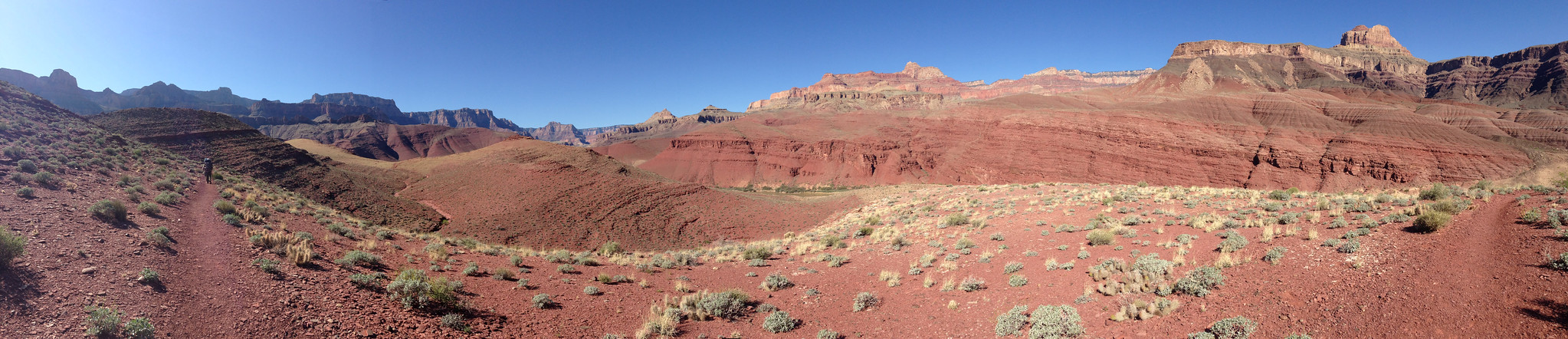
These were taken with my SS Note 2 last year doing the Rae Lakes Loop with my daughter.

nice

nice

Sorry for all the editing, I couldn't get the image to load properly with my phone (how ironic!)so I had to transfer the images to my desk top then download them.

No editing of the pictures, straight from the phone which I believe is only 8 mega pixels, can't wait for the Note 4, or newer version by the time I'm ready to upgrade

Thanks, Jack

PostedMay 9, 2015 at 11:48 am

"Re RAW, another thing you can do to save memory card space is to shoot jpeg Fine and then batch process saving as RAW for post-processing on your desktop when you get home. VERY little loss of image quality in the original files and of course virtually zero loss during edit-save-edit-save-edit-save afterwards."

The main advantage of RAW is that RAW retains the greatest dynamic range a sensor can muster DURING CAPTURE. One could use it afterwards for post-processing, but I would not bother. I don't know if the Android execution of RAW has amounted to much as yet. Some iPhone apps claim a DNG/RAW format, but online tests have largely debunked their supposed advantages, as they are not true RAW files. The iPhone app ProCamera 8 claims that their much larger uncompressed or lossless TIFF files are superior to the highest level jpgs; in my tests I see the very slightest improvement in the farthest end of highlights, but it is so slight that I don't consider it worth the trouble, and I am fairly picky. If any smartphone really does start taking advantage of RAW in a significant way I would be all over it. For the time being I just embrace the highlight clipping as part of the iPhone esthetic and run with it. So yeah, jpegs for now.
iphone

PostedMay 25, 2015 at 10:16 am

Great shots guys.

I've got about 10,000+ smartphone shots sitting on my PC! Here's a random one from my last trip, taken at Height of Land in Rangeley, Maine:

Height of Land

The sky almost looks like a panoramic distortion, but it's natural.

Bob Moulder BPL Member
PostedJun 7, 2016 at 11:29 am

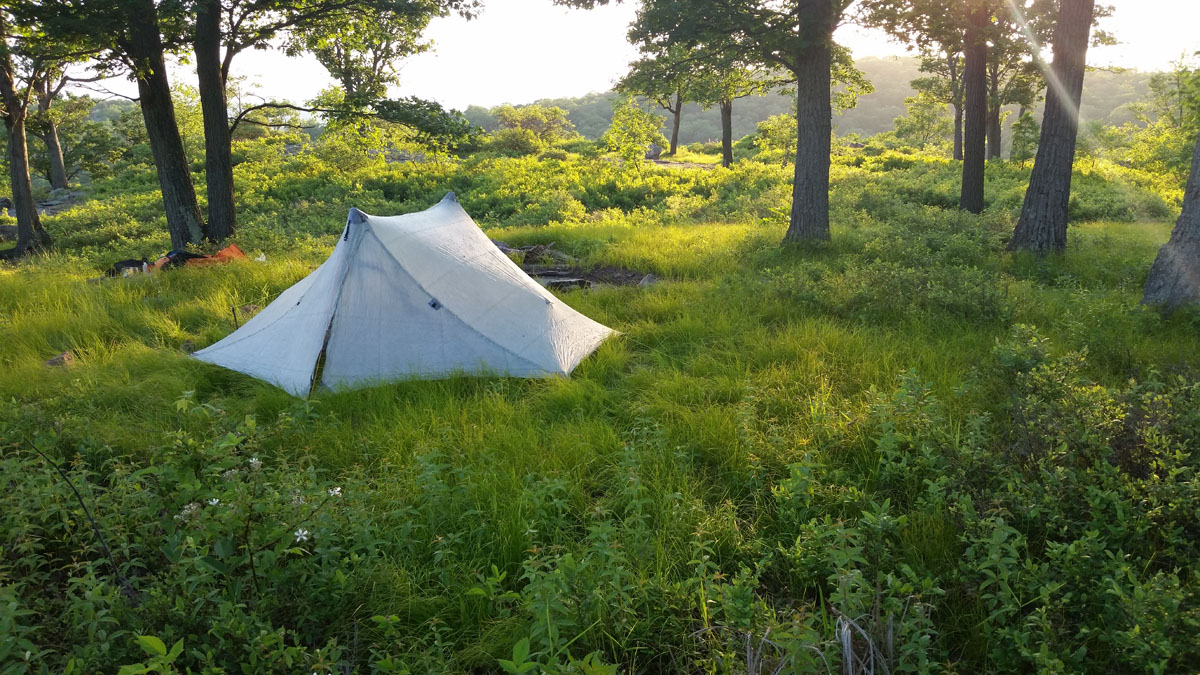
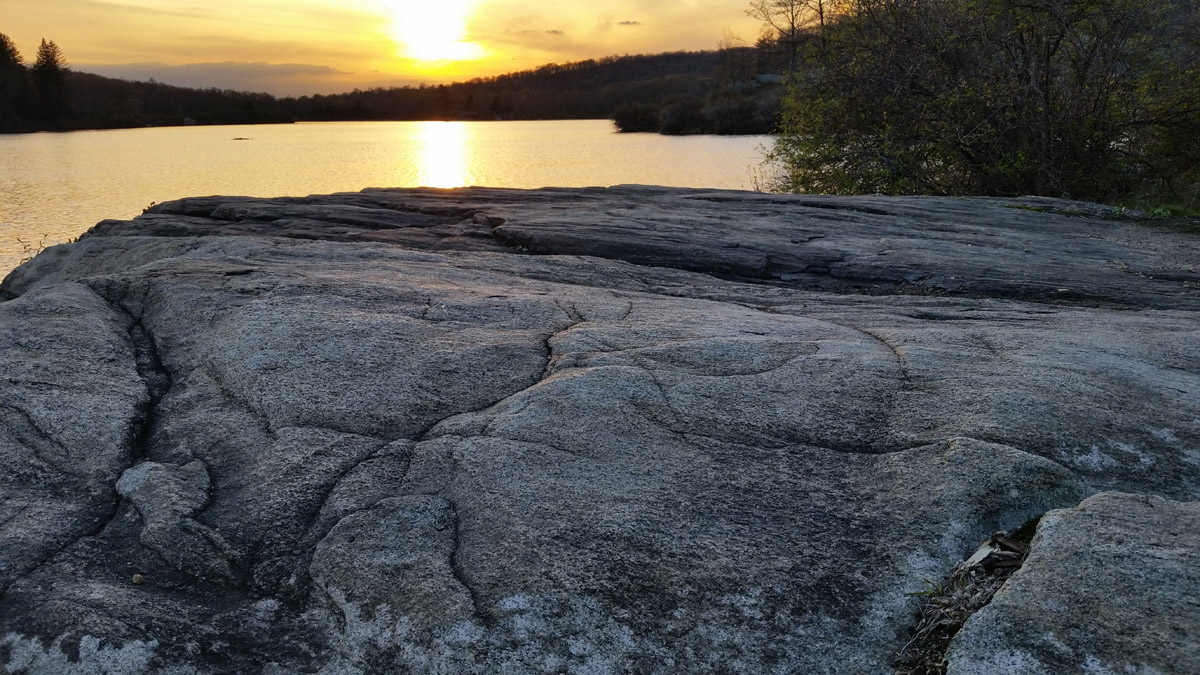
Some recent photos made in my ‘backyard’ at Harriman State Park.

Still using the Samsung S5, but sorely tempted to get the S7, of course!

Alex Wallace BPL Member
PostedJun 7, 2016 at 4:10 pm

iPhone 6s w/ basic light & color correction using Google Photo:


PostedJun 19, 2016 at 6:29 pm

Howdy from Canada! Was out pack testing on Parkers Ridge in Alberta and got this little snap on an iPhone 5. I didn’t do anything too it besides up the sharpness.

Brad Rogers BPL Member
PostedJul 15, 2016 at 8:00 am

First off let me say that I have never taken a cell phone into the backcountry as I never have service. I have rented sat phones when going off trail.   I have also never taken a GPS into the backcountry, but have been playing around with Gaia GPS on my iPhone using routes I put in Caltopo and am thinking about bringing my phone to use in Airplane Mode as a GPS as a backup/sanity check to my map and compass.  This has lead me to entertain the notion of using my iPhone 5C as my camera instead of taking my Sony RX100 I, is that foolhardy?

I am not a great photographer, usually shoot JPEG in Auto Mode, and rely on the camera and amazing scenery to make my pictures for me. Will the smaller sensor make me wish I had just “lugged” in my Sony RX100?

A couple of my other concerns are – if my phone were to get wet and die I would probably never get the pictures off of it. If my RX100 were to get wet and die, I could still get the pictures off the SD card.

What about battery life? I imagine I will use Gaia GPS some and take ~300 pictures over six and a half days.  Will the battery last that long on Airplane mode?  I guess I could get a separate battery pack and a short lightning cable if needed, but that would add some weight.

If I do ditch the RX100 for the iPhone, are there any additional apps, etc I should get (for a non-photo guy)? I do have Photo shop elements for some post processing, but don’t know how to use it very well.


My phone is an iPhone 5C running iOS 9.3.2

My camera is a Sony RX100 Mk 1

Ben C BPL Member
PostedJul 15, 2016 at 8:16 am

Brad:

I don’t think it’s foolish.  I use my Samsung the same way.  I will use the Gaia only occasionally, but use the camera regularly.  I can go about 4-5 days on airplane mode, but how often you use it makes a lot of difference.  My Samsung allows me to just carry a spare battery but a charger will work fine too.  My Samsung also has a removable chip, which is a little insurance.

I think cell phones are pretty well suited to outdoor photos with good light.  At least mine is not as good indoors as it is out.

In my experience, the cell phones are more durable than most people expect.  I just carry an extra ziplock to store it on during rain.

PostedJul 15, 2016 at 8:37 am

I would say you can get away with a cell phone as a camera for most casual use. I have my iPhone in a Lifeproof case. I worry less about it getting soaked etc. I still carry my camera for article shots but for social media stuff or when it’s raining cats and dogs I can still pull the iPhone out and get a decent snap.

Paul Magnanti BPL Member
PostedAug 17, 2016 at 11:05 am

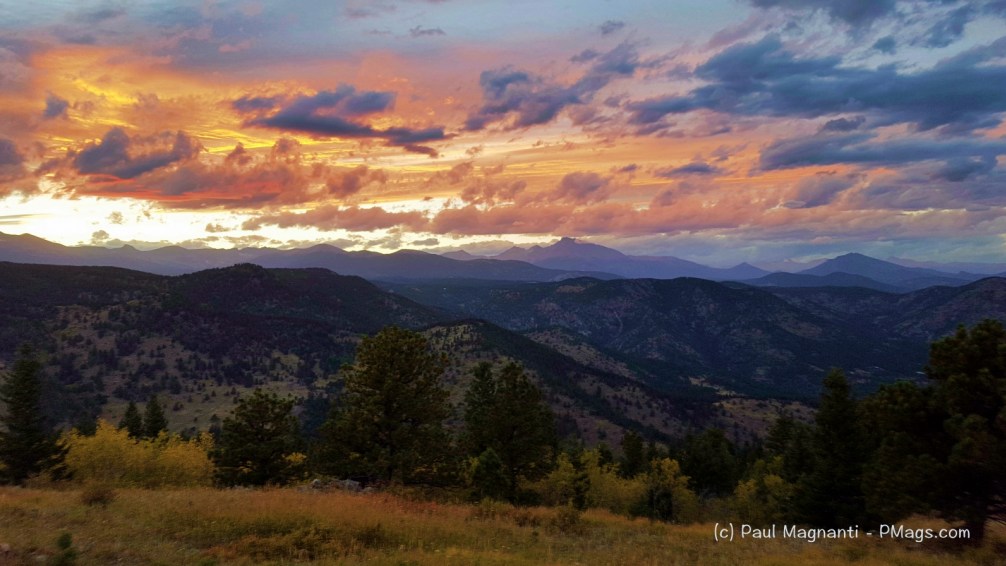
I took this shot with my Samsung S6. A foothill outside of Boulder looking towards Longs Peak.

PostedAug 22, 2016 at 2:38 pm

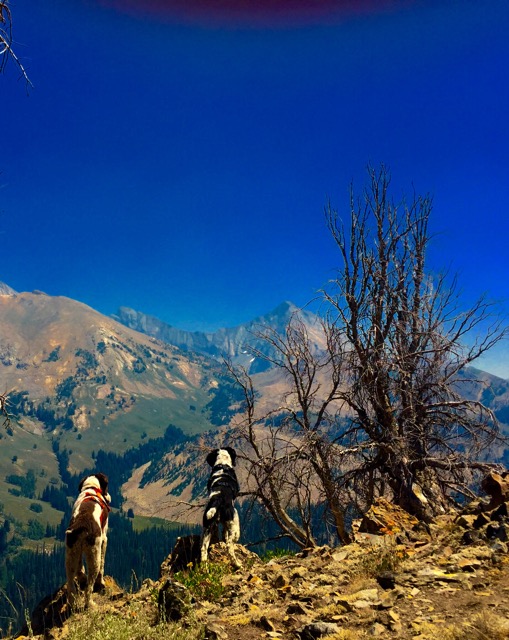
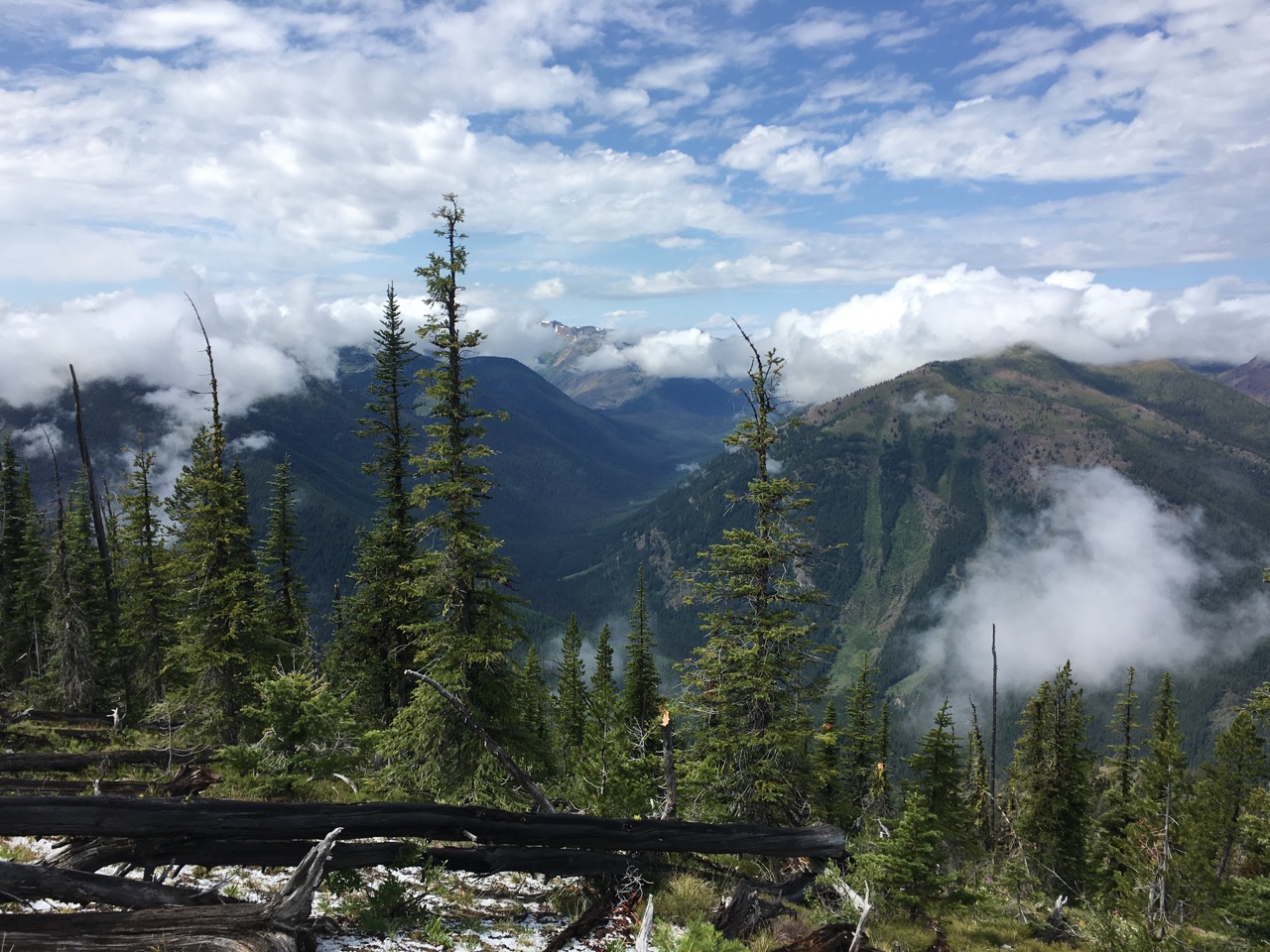
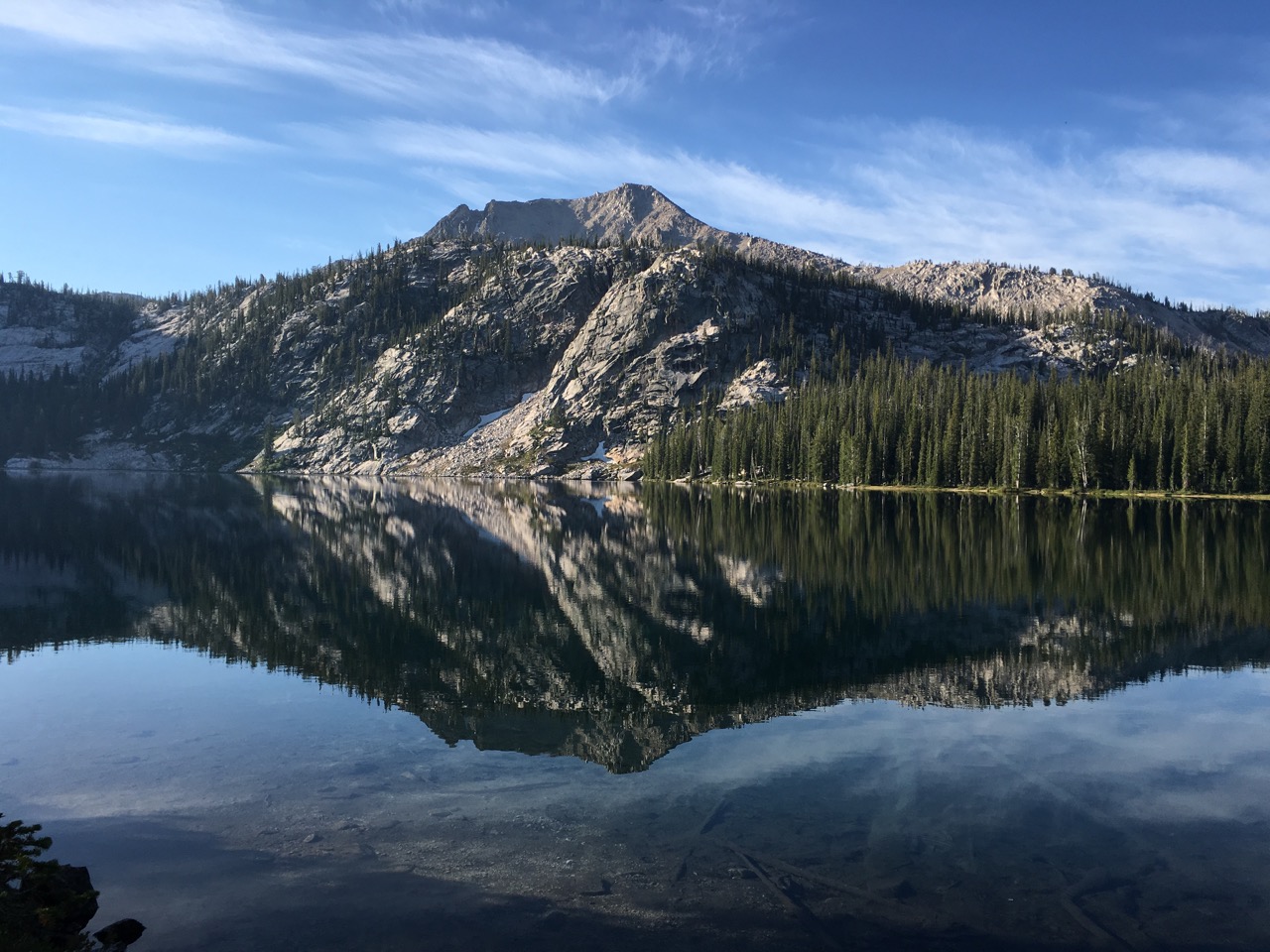
Shot with my iPhone 6s Plus in Montana and Idaho. No post processing at all. The greyness in the sky in the last two photos was from smoke from a fire on a nearby mountain range. We actually had light ash fall on us a few times.

PostedSep 7, 2016 at 11:52 pm

It appears that the iPhone 7 supports RAW. At last. From CNET:

Raw image support
The JPEG photos you’re used to getting from an iPhone are automatically compressed and processed, which decreases the number of colors in the photos and clips the bright and dark areas. That makes them hard to retouch without exacerbating the imperfections (called artifacts).
Raw image data comes straight from the sensor – or at least is minimally processed – so you can edit them yourself without making the artifacts worse. In theory. The reality is that when you’re dealing with photos off such a small sensor, or even a pair of small sensors, you can’t gain that much when it comes to editing photos in order to improve exposures or reducing noise to your taste rather than the company’s. You do get access to the uncompressed colors, but even then the sensors aren’t capturing the complete range because they’re tiny.
There’s just too much sensor noise and not enough tonal range for you to get better results than in-camera processing, except in a limited number of situations. However, access to the raw files means third-party photo-app developers can access the data so they can deliver better JPEGs and give you control over settings that either they didn’t have before or that made photos look worse than the stock camera app’s.
Apple highlighted Adobe Photoshop Lightroom raw editing on the new phone; now it can have feature parity with the Android version. And since the raw files use the semi-standard DNG format, they’re readable by tons of apps and applications on the desktop and other mobile platforms.
<h3></h3>

Viewing 19 posts - 26 through 44 (of 44 total)
Loading...