|
||
|
Presented with support from Brynje  |
||
|
|
||
Backcountry Camping in Wind: Field Notes from the Colorado Alpine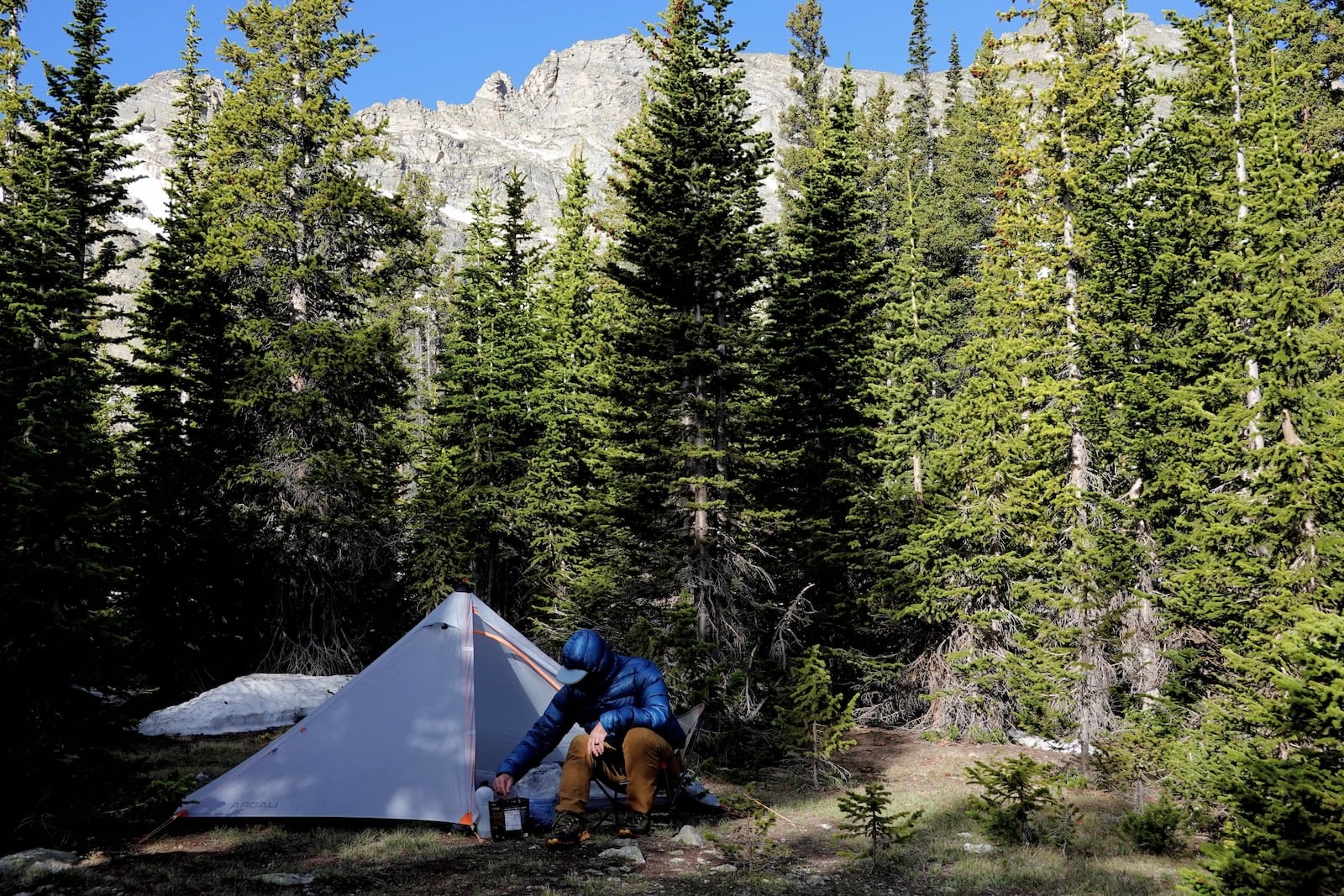 Earlier this week, I escaped the heat of the Rocky Mountain foothills and made a beeline for the high mountains in search of Colorado River Cutthroat slurping Callibaetis mayflies in the high lakes. The heat wave came with an unpredictable wind forecast, which I figured I could manage well enough - after all, there was no rain or cold expected. While planning the trip, I committed to a few key pieces of gear:
I posted a trip report with photos in the Backpacking Light forums, and discussed my shelter and the fishing in more depth with our community there. Another member, Dan, posted this week as well, from a different area of Colorado. It's trip - and trip report - season at Backpacking Light! It's that time of year when the summer snows are melting and revealing nothing but opportunity for the next few months. One of the things that surprised me most about my trip was the change in route between my hike in and hike out (separated by only 16 hours and one wind storm). My hike out, in spite of being mostly downhill, was far more laborious than I expected, with more than 100 new downed trees now in the way. Lessons learned: see the new Dispatch, Field notes: backcountry camping in wind.
|
||
|
||
|
|
||
|
||
|
|
||
Also this weekNew podcast episode - rain jackets for mountain minimalism. Consider print resources for a deeper, richer hiking research experience. Website changelog updates - forum usabilty, new lightbox photo presentation display. |
||
|
Originally sent as a Backpacking Light email newsletter. Subscribe to the Backpacking Light newsletter | Affiliate disclosure |