|
||
|
Presented with support from Garage Grown Gear  |
||
|
|
||
Small makers may (or may not) deserve your attention.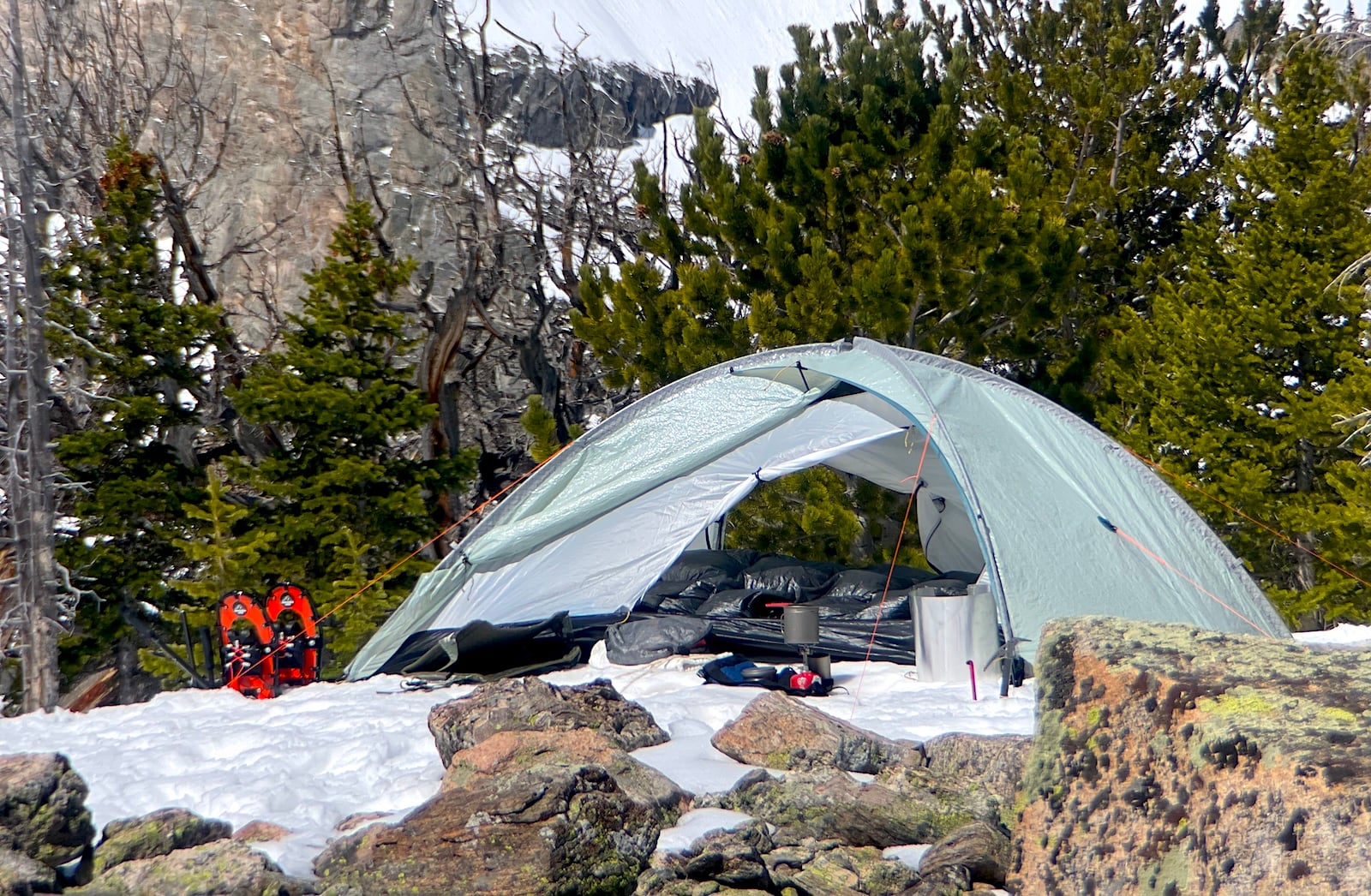 Small Business Sales Week is here - and it's a useful occasion to think carefully about the small outdoor makers whose work has earned our attention. Now, I don't mean every small company. Size, by itself, is not evidence of quality, integrity, or good judgment. A small shop can make poor equipment, miss deadlines, communicate badly, or overstate what its products can do. The case for supporting small makers has to rest on something more rigorous than sentiment. For me, the small makers worth supporting are those who stay close to the problems their products are meant to solve. Much of the best equipment in our world begins with a specific irritation, not a broad market opportunity: a pack that carries poorly when I have to saddle it with 8 liters of water. Or a vestibule that is difficult to manage from inside when the weather deteriorates. How about a quilt that loses heat at the neck or shoulders because of simple modifications to the collar baffle or cut-and-sew pattern? These aren't always dramatic problems, but the best small makers use equipment at its limits for our use cases, however obscure the case may be. They notice the failures and care enough to revise the design rather than merely describe the defect. This is where small makers have an advantage. A large outdoor company can make excellent products, and many do. Scale brings real benefits: stronger supply chains, more formal testing, broader distribution, more consistent production, and better-developed warranty systems. But scale also imposes discipline. A product has to fit inside its category line. It has to make sense to retailers. It has to be simple enough to explain quickly, profitable enough to justify production, and familiar enough that a broad customer base will understand why it exists. Useful but narrow ideas can disappear in that process! Small makers can keep working on those ideas - over and over again. They can adjust and tweak and refine a pattern after enough customers report the same problem (sometimes, it's only one customer!). They can mod a shelter pattern or hook or guyline attachment point after a season of field reports exposes the same weak spot. They can change a closure, fabric, seam, pocket, or suspension detail without waiting for the machinery of a larger product cycle to move. The work of small makers is not romantic. It is operationally difficult and usually undercapitalized. It involves sourcing materials, cutting fabric, sewing, testing, repairing, answering customer emails, managing lead times, absorbing mistakes, and deciding which complaints reveal a design problem and which do not. When that work is done well, it deserves support. Not "uncritical" support just because they're a small maker, but the earned support that comes from the drive to make unique products for us. During Small Business Sales Week, consider buying from a small maker whose product has solved a real problem in your backpacking system. Buy directly from them when practical, or from a retailer that values small brands despite unpredictable inventory and low margins. Leave a review that explains how and where you used the product. And send specific field notes to the maker when something fails - they will appreciate you! The point of Small Business Sales Week is not to buy more gear. The point is to help keep careful, competent, field-literate makers in the backpacking market.
|
||
|
||
|
|
||
|
||
|
|
||
Also this weekFuel transfer valves for backpacking: fuel physics, myths, risks, and real-world performance. |
||
|
Originally sent as a Backpacking Light email newsletter. Subscribe to the Backpacking Light newsletter | Affiliate disclosure |