|
||
|
Presented with support from Zoleo  |
||
|
|
||
Should I Communicate With My Loved Ones While I’m in the Backcountry?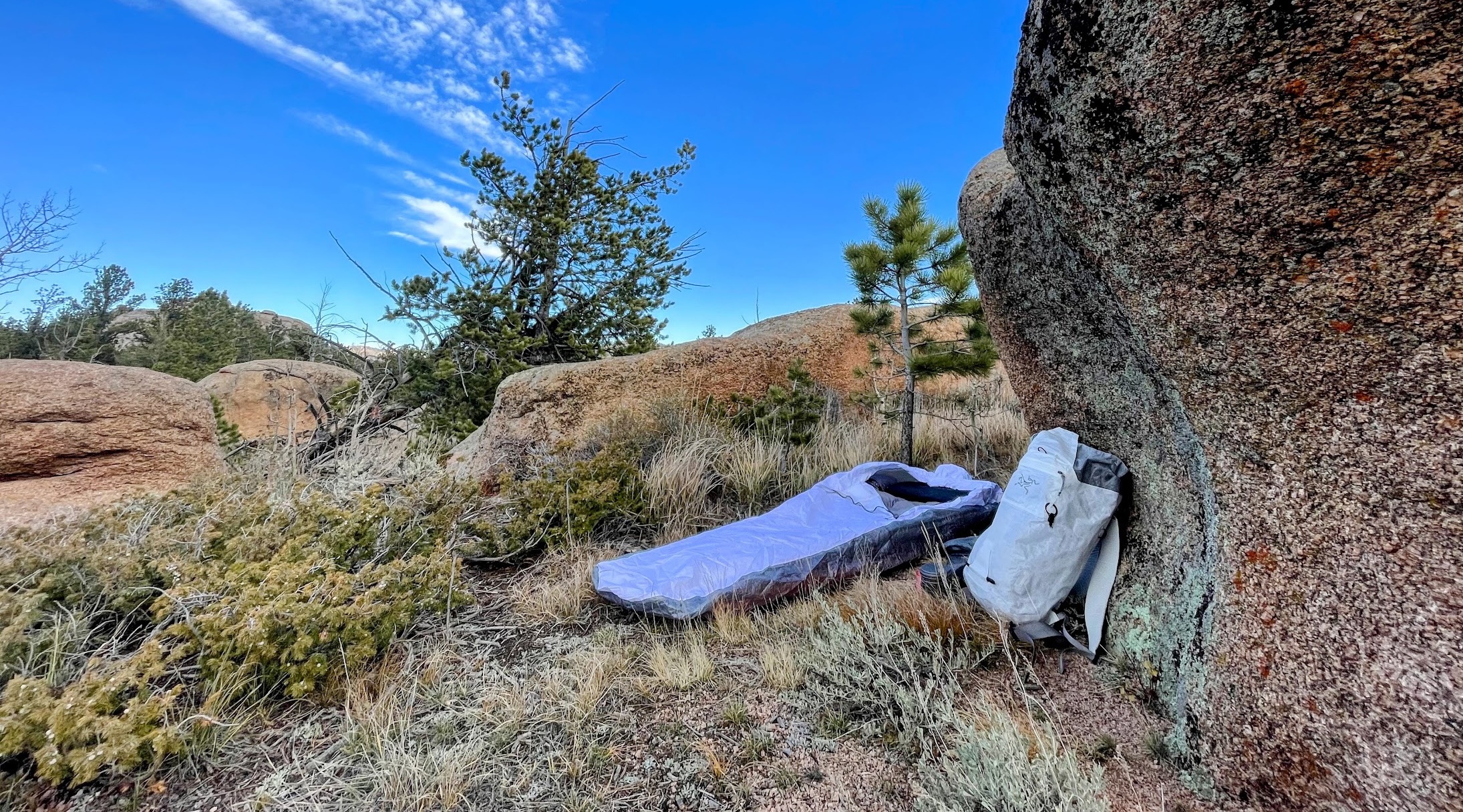 Photo: no bars, Wyoming high desert. A common backcountry ethic says that wilderness is more meaningful when we disconnect. In today's digital age, that ethic feels like romantic nostalgia from yesteryear. However, a strong body of evidence suggests that constant digital connection interferes with attention, social presence, emotional regulation, and connection to nature. The problem is not communication itself. The problem is continuous availability. When we remain reachable in the backcountry, part of our attention may remain attached to home, work, family stress, or social expectations we brought with us on the trip. Frequent check-ins can become psychological tethers if they reinforce worry, obligation, or the need for reassurance - three feelings that the wilderness is very effective at dampening. For many hikers, disconnection may be more powerful than connection. It creates conditions for attention to stabilize. It allows our self-reliance to develop and flourish. It allows our direct contact with place to deepen. Without the option to immediately consult, reassure, update, or be reassured, the hiker has to stay with the experience: weather, terrain, fatigue, discomfort, fear, competence, and judgment. That is powerful. But that does not make disconnection the correct answer for every hiker in every context. For some people, communication with loved ones while in the wilderness can support safety and emotional stability. Behavioral psychology and stress research consistently show that perceived social support can buffer stress. For a parent leaving children at home, a newer backpacker managing anxiety, a caregiver with responsibilities, or someone traveling in objectively higher-risk conditions, a planned check-in may reduce worry enough - for both parties - to support better decisions. And for the people at home, it's an opportunity to provide encouragement and positivity to a hiker who may be struggling with physical, emotional, or mental strain. So the practical question is not, “Should hikers be connected or disconnected?” The better question is: “What role will communication play on this specific trip?” If contact reduces unnecessary stress, supports good decisions, and reassures people who reasonably need updates, use it intentionally. If contact keeps you mentally attached to home, fragments attention, brings relational conflict with you, or prevents self-reliance, limit it. The best answer is not ideological. It depends on the hiker, the relationship, the trip objective, and the risks involved. This is an important topic because the wilderness and its impact on the human psyche is powerful, but complex. It's what makes the wilderness so uniquely beautiful and valuable. You can learn more about the human-wilderness experience in my recent essay On Wilderness and Flourishing, where I explore this topic in depth.
|
||
|
||
|
|
||
|
||
|
|
||
Also this week |
||
|
Originally sent as a Backpacking Light email newsletter. Subscribe to the Backpacking Light newsletter | Affiliate disclosure |