|
||
|
Presented with support from Brynje  |
||
|
|
||
Deconstructing the synergistic impacts of AMS, dehydration, and metabolic fatigue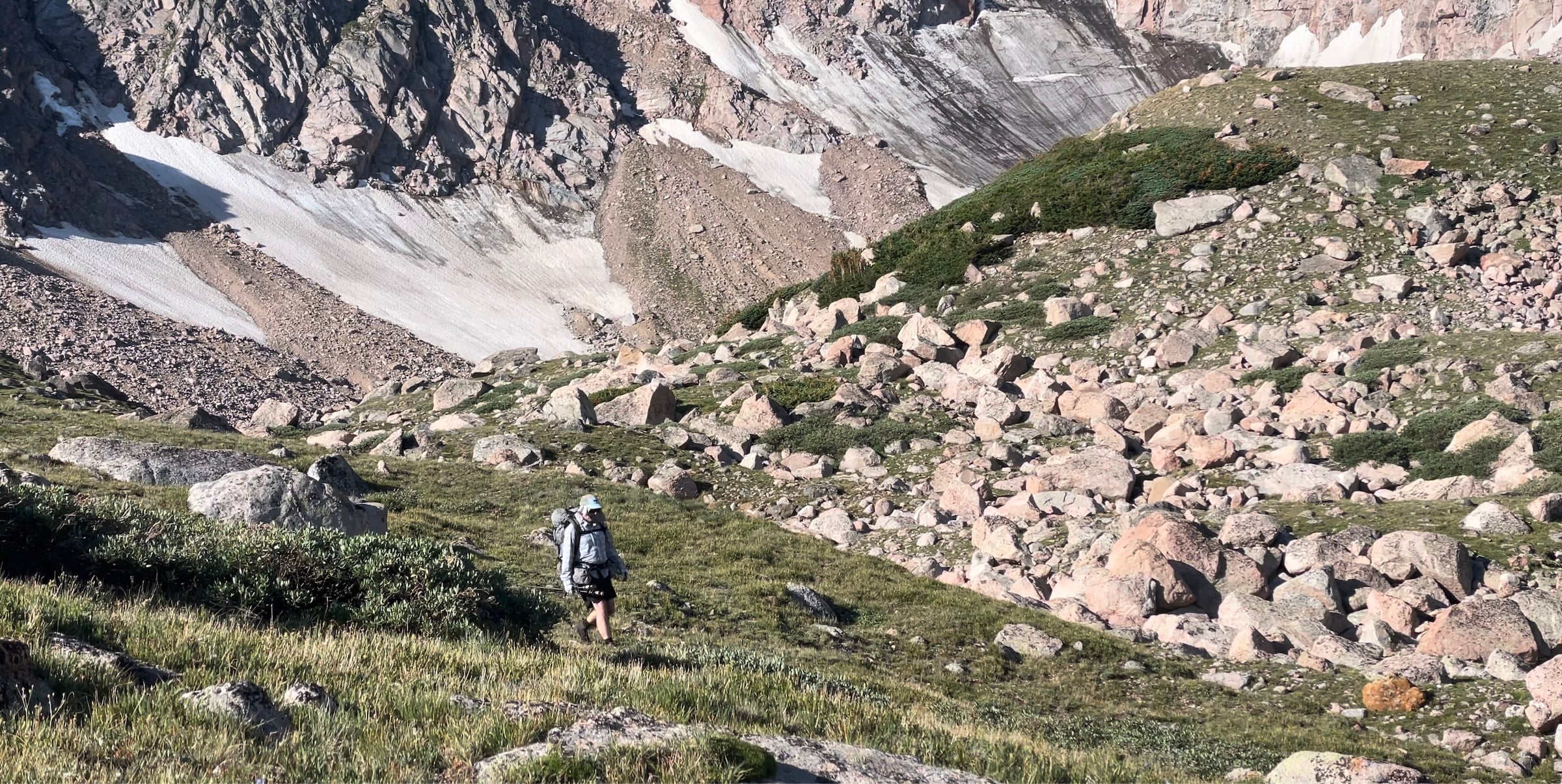 Backcountry illness is often attributed to a single cause: altitude exposure, dehydration, inadequate nutrition, excessive workload, or insufficient sleep. In practice, these factors commonly interact, making single-cause explanations incomplete. Case in point: my recent experience at a high lake in Colorado's Rawah Wilderness. At 1 a.m., with a pounding headache and nausea (among many other issues), I ran through the 2018 Lake Louise criteria for moderate acute mountain sickness. That classification describes the observed symptom pattern following ascent, but it does not establish that altitude was the sole cause of every symptom. The event also followed more than ten hours of strenuous hiking with a heavy pack, limited fluid and carbohydrate intake, a substantial energy deficit, and inadequate sleep the preceding night. These concurrent stressors likely reduced my capacity to compensate for the hypoxic environment. Dehydration may have intensified the headache and cardiovascular strain. Low carbohydrate availability contributed to declining performance, weakness, and impaired cognitive function. Sleep debt reduced recovery capacity. The rapid improvement in energy and mental clarity after consuming carbohydrates the following morning further demonstrated that the metabolic component was physiologically significant. This distinction between clinical classification and causal mechanism is important. A symptom score can identify a syndrome, while physiological measurements and a detailed timeline help explain why it developed and why its severity may have exceeded expectations. The practical value of post-trip analysis lies in examining cumulative load rather than prematurely searching for a single definitive cause. Sleeping elevation, ascent rate, exertional intensity, carried weight, hydration, carbohydrate availability, and sleep should be evaluated as an interacting system. Effective risk management depends not only on recognizing individual thresholds, but also on understanding how several moderate deficits can converge to exhaust physiological reserve. This is one of my favorite applications of TRIPS - our new backcountry route planning software. For this route, TRIPS successfully predicted my active hiking time (within 20 minutes), active calorie expenditure (within 5%), and identified the highest-probability parts of my route where I'd feel significant fatigue and perceived difficulty (with 100% accuracy!) because I was near my metabolic limits. But the problems were worse than either TRIPS or I predicted - the problem was with my behavior. Underhydration, underfueling, sleep debt, and a route that was more difficult than the one I originally loaded into TRIPS. Here's what I learned:
Learn more in our latest case study: A Multifactorial Case of Acute Mountain Sickness, Carbohydrate Depletion, and Dehydration.
|
||
|
||
|
|
||
|
||
|
|
||
Also this weekNew Review - Durston Wapta 30 Backpack |
||
|
Originally sent as a Backpacking Light email newsletter. Subscribe to the Backpacking Light newsletter | Affiliate disclosure |