|
||
|
|
||
Modern Threats to Wilderness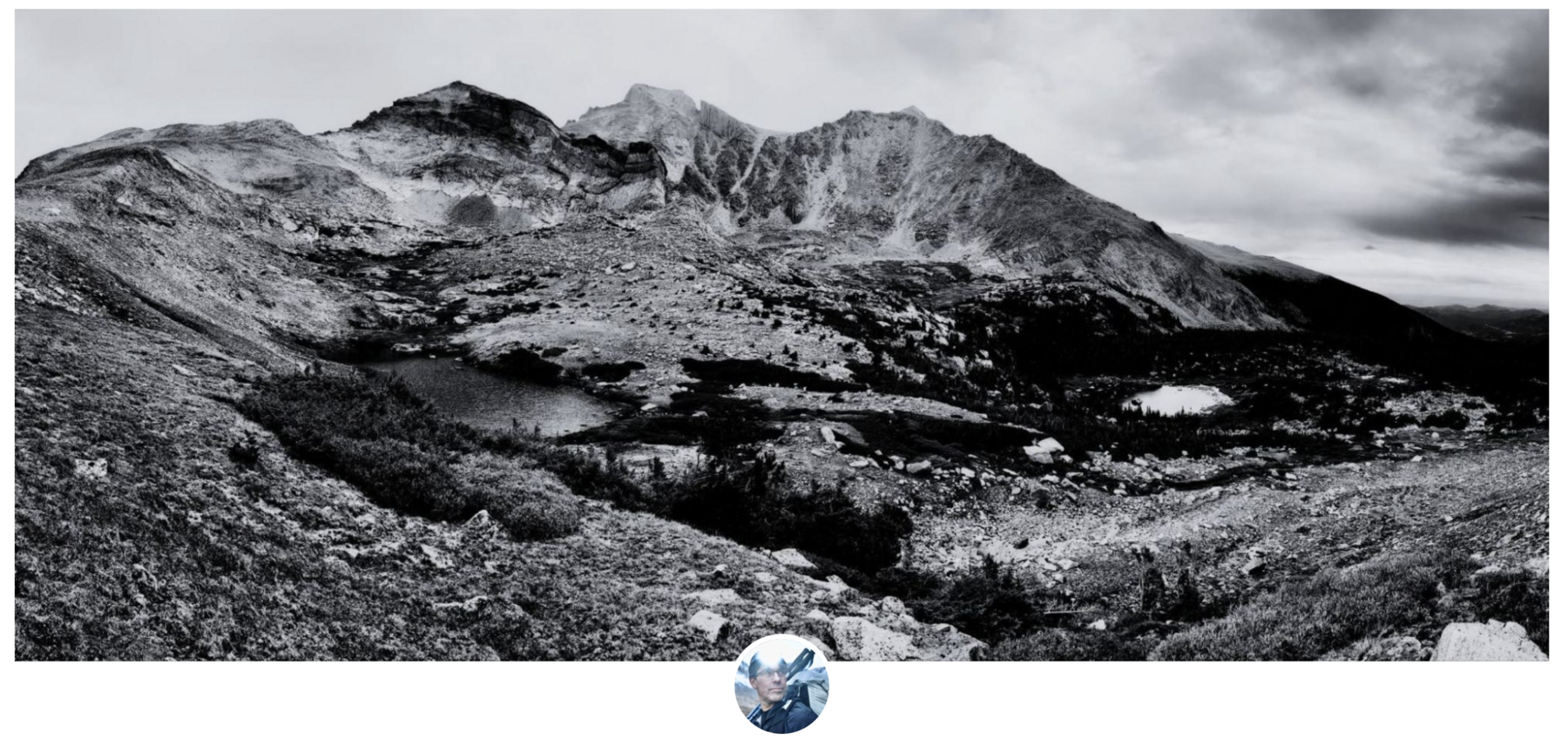 Wilderness means different things to different people, and philosophy helps explain why. Some frameworks emphasize pleasure, refuge, utility, or identity. Others point to something deeper: wilderness as a place that forms character, sharpens judgment, and restores contemplation. These lenses are useful because they help us understand both why wilderness is valuable to different constituent groups and why our public arguments for preserving it are often fragmented, shallow, or vulnerable:
In my latest essay, I explore how ancient and modern ideas shape our relationship to wild places, where those ideas fall short, and what we can do about it. My argument is that if we want to defend wilderness well, we need to recover a more durable foundation for its value - one rooted in the ways it cultivates prudence, courage, temperance, and contemplation. Read the essay to gain a clearer understanding of why wilderness is valuable, how modern culture distorts it, and how we can defend it more wisely.
|
||
|
||
|
|
||
Also this weekForum upgrade - improved usability, aesthetics, and navigation. New site search - better filters, faster results, and more privacy (no 3rd-party pixel tracking). |
||
|
Originally sent as a Backpacking Light email newsletter. Subscribe to the Backpacking Light newsletter | Affiliate disclosure |