|
||
|
Presented with support from Brynje  |
||
|
|
||
Get Better at One Thing Before Fall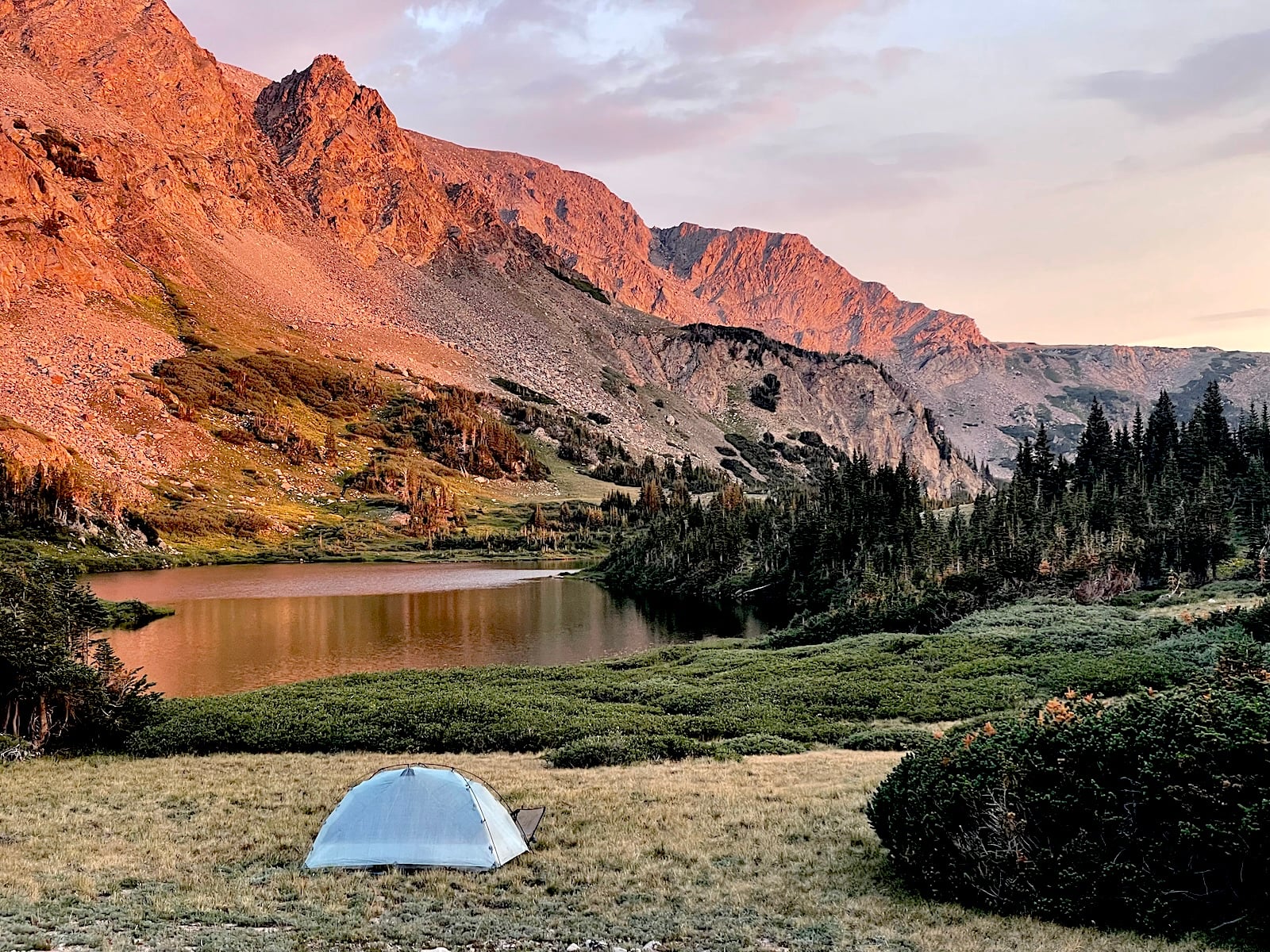 Late August is an interesting point in the backpacking season. There’s still plenty of summer left. But days are shorter, nights are colder, and weather is less forgiving. And for many of us, the trips coming in September and October require a little more from our skills and gear than the trips we took over the summer! This is the point in the season when it’s tempting to start thinking about different gear. As I plan for my end-of-August trek in the Northern Colorado Rockies (I'll already be hiking by the time you read this email), here's what I'm switching out:
As you plan, you may also be considering gear changes, like a warmer sleeping bag or a more stormworthy tent or a higher-capacity headlamp for those longer nights. But before you switch out your gear - ask this: What’s one thing you could get better at before your next trip? Maybe it’s weather forecasting. Most backpackers know how to look at a weather forecast. That’s different from understanding how to interpret models, terrain, temperature, precipitation, snowpack, and streamflow well enough to build a useful forecast for the specific route you’re planning. Our Backcountry Weather, Streamflow, and Snowpack Forecasting Masterclass is designed to teach exactly that. Or maybe it’s your shelter. Ultralight tents can be remarkably stormworthy, but they depend more heavily on the person pitching them than conventional tents with rigid pole structures. Stake placement, guyline geometry, soil, panel tension, trekking pole stability, and campsite selection all matter. The How to Pitch an Ultralight Tent Masterclass goes deeply into those relationships and how to troubleshoot them in the field. Or maybe the thing you want to improve is the entire planning process. Planning a backpacking trip is more than drawing a line on a map. Terrain, weather, route difficulty, hiking time, energy expenditure, food, equipment, water, and contingency planning are all parts of the same system. Our Trek Planning Masterclass is nearly ten hours of instruction devoted to that process, including detailed case studies showing how I plan real trips from beginning to end. And those are just a few examples. We have masterclasses and courses covering outdoor fabric technologies, water treatment, managing sun exposure, Ursacks, winter backpacking, campsite selection, lighting systems, Leave No Trace, and many other topics. You can browse the entire online education library here. You can purchase many of these courses individually. But there’s another option that makes considerably more sense if you want to keep learning. Become an Unlimited Member. An Unlimited Membership includes access to our entire self-paced online course and webinar library - more than 100 hours of backpacking education. It also includes the complete Backpacking Light article library, TRIPS planning software, our Wilderness Permit Explorer, live education webinars, member Q&A events, and other Unlimited Member benefits. Unlimited Membership is currently $195 per year. For some context, the Trek Planning Masterclass alone is $150. Many individual masterclasses are $50 each. So if there are two or three backpacking subjects you genuinely want to understand better, I wouldn’t recommend buying courses one at a time. Become an Unlimited Member and use the entire library. Then pick one thing. Maybe this week you learn how to build a better backcountry weather forecast. Next week, improve your shelter pitching. Then spend a few evenings working through trek planning. The objective isn’t to consume 100 hours of video. It’s to become incrementally more capable every time you go outside. And yes, gear is important - - but knowing how to make good decisions with the gear you already own matters more - this is exactly why we built Backpacking Light in the first place.
|
||
|
||
|
|
||
|
||
|
|
||
Also this weekTRIPS is our advanced backcountry trip planning software. Can you talk a Backpacking Light Member out of buying a Dyneema tarp? |
||
|
Originally sent as a Backpacking Light email newsletter. Subscribe to the Backpacking Light newsletter | Affiliate disclosure |